
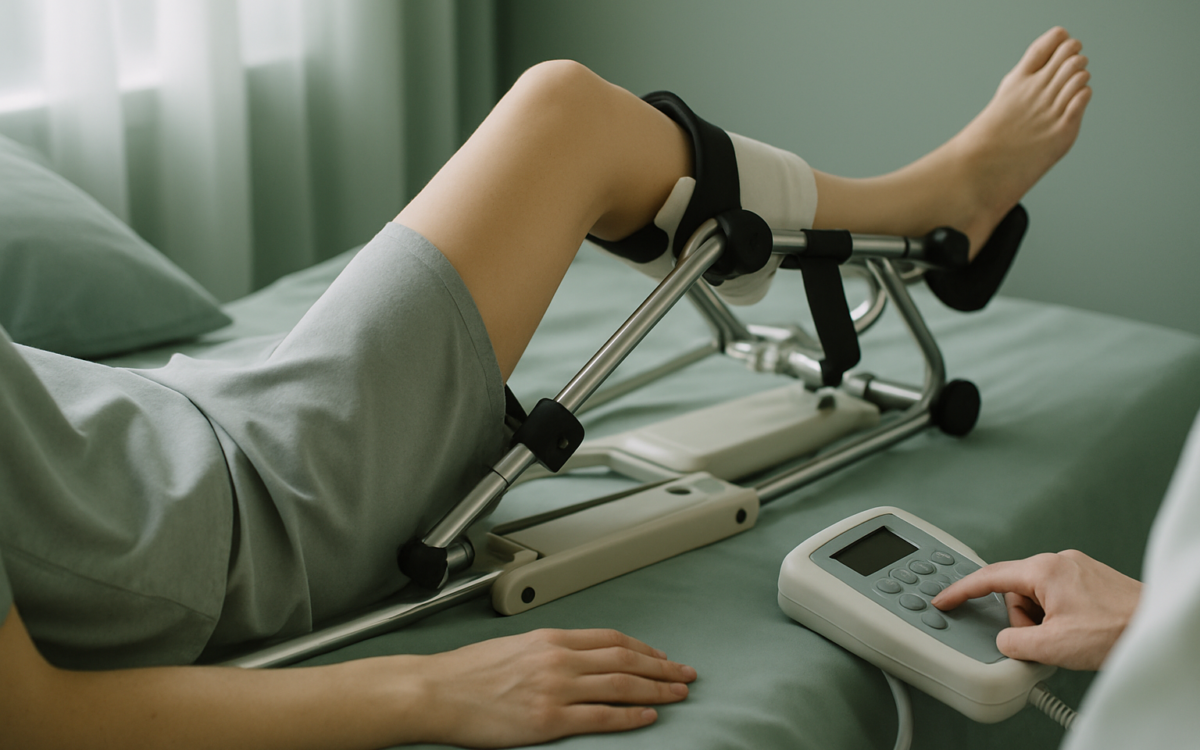
After surgery or injury, regaining mobility is often a top priority. One helpful tool in rehabilitation is the Continuous Passive Motion (CPM) machine. These machines provide gentle, controlled movement to affected joints, helping patients recover more effectively. In this article, we’ll explore how CPM machines work, their benefits, potential risks, and when to consult a healthcare professional.
What is a CPM Machine?
A CPM machine is a medical device designed to move a patient’s joint through a controlled range of motion. They are commonly used after surgeries involving the knee, hip, or shoulder. The device operates by actively moving the joint in a continuous cycle, mimicking the natural movement of the body without exerting any pressure. This process can help patients who have undergone joint surgery or experienced significant injuries.
How CPM Machines Work
Using a CPM machine is quite straightforward. The patient is positioned comfortably in the machine, which gently moves the joint through a set range of motion. The speed and angle of movement can often be adjusted to meet the patient’s specific needs. Sessions can last from one to several hours, depending on the doctor’s recommendations and the patient’s condition.
The primary mechanism behind a CPM machine is to keep the joint moving, preventing stiffness and improving blood circulation in the area. Regular use can also help stimulate recovery by promoting healing tissue around the joint, contributing to better outcomes post-surgery. The goal is to restore function and reduce pain as the patient progresses through their rehabilitation.
Benefits of CPM Machines
There are several benefits linked to the use of CPM machines in recovery settings:
- Reduces Swelling: Continuous movement helps decrease post-surgical swelling, which can cause pain and discomfort.
- Increases Range of Motion: By promoting flexibility, CPM machines encourage patients to regain their natural range of motion more quickly.
- Prevents Stiffness: Regular motion keeps joints limber, reducing the risk of stiffness that can develop after surgery.
- Minimizes Pain: Some studies suggest that using a CPM machine can reduce the reliance on pain medications post-surgery.
Research has supported some of these claims; studies published by the National Institutes of Health indicate that patients using CPM machines after total knee arthroplasty show improved knee function and range of motion compared to those who do not use them (https://www.ncbi.nlm.nih.gov/). This can enhance patients’ overall recovery experience, allowing them to return to their routines sooner.
Who Can Benefit from a CPM Machine?
CPM machines are primarily used for orthopedic surgeries, including:
- Knee replacement
- Hip replacement
- Shoulder surgery
- Ligament repair or reconstruction
Patients who are immobile or have difficulties bearing weight on the affected joint may find these machines particularly helpful. The controlled movement allows them to engage in rehabilitation without exerting excessive force that could hinder recovery.
For those considering treatment abroad—perhaps in pursuit of advanced medical technologies or new techniques—groups like international patient services offer resources for navigating the procedures involved in their care and recovery.
Potential Risks and Considerations
While CPM machines can be beneficial, there are some risks and considerations to keep in mind:
- Discomfort or Pain: Some patients may experience discomfort during use, especially if they have not fully healed.
- Improper Use: If not correctly set up, a CPM machine can lead to further injury instead of healing.
- Not Suitable for Everyone: Certain conditions, such as severe joint damage or specific vascular issues, may make using a CPM machine inadvisable.
Because of these risks, it is essential that patients discuss the use of a CPM machine with their healthcare provider. Each individual’s recovery plan should be tailored to their unique needs.
When to See a Doctor
It’s crucial for patients to consult their doctor if they experience:
- Significant pain while using the CPM machine
- Swelling or increased stiffness in the joint
- Skin irritation or other complications
Regular follow-ups with a healthcare provider can ensure that patients are on track with their recovery and that their rehabilitation methods are appropriate for their condition.
Conclusion
CPM machines offer an innovative approach to rehabilitation, helping patients regain mobility after surgery or injury. By understanding how these devices work and discussing their options with healthcare providers, individuals can make informed choices about their recovery journey. While CPM machines are not suitable for everyone, for many, they represent an effective step toward healing and returning to normal activities.
