
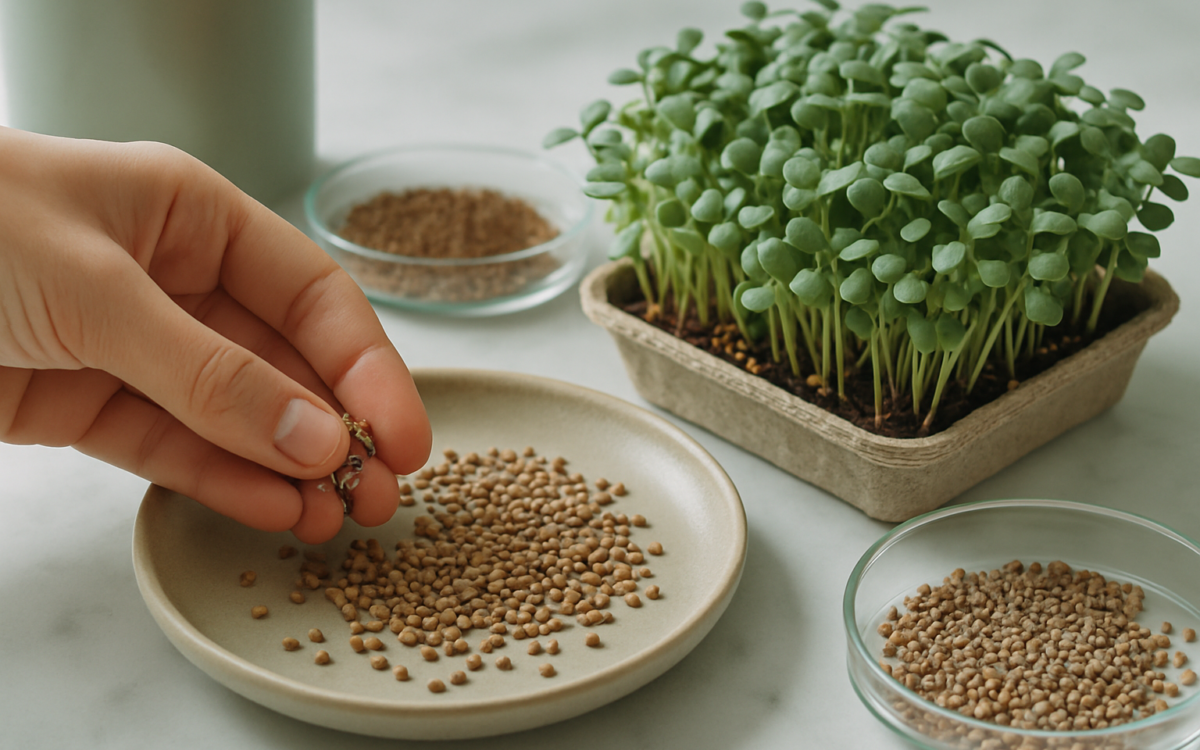
Microgreens are the young seedlings of edible vegetables and herbs, known for their vibrant colors and intense flavors. Each tiny leaf holds a treasure of nutrients, making them an exciting addition to our diet. But to enjoy these little greens, you first need to start with quality microgreen seeds!
What Are Microgreen Seeds?
Microgreen seeds are seeds that grow into young plants typically harvested just after the first leaves, or cotyledons, emerge. They come from a wide variety of species, including herbs like basil and cilantro, as well as vegetables such as beet, radish, and broccoli. Each type of microgreen offers its unique taste and nutritional profile.
The Nutritional Benefits
Microgreens are not just visually appealing; they are also packed with nutrients. Studies have shown that microgreens can contain significantly higher levels of vitamins and minerals when compared to their mature counterparts. For instance, a study published by the National Institutes of Health found that microgreens from certain plants provided greater amounts of vitamins C, E, and K, along with important antioxidants.
How to Select the Right Seeds
When looking for microgreen seeds, opt for seeds specifically labeled for sprouting or microgreens. These seeds undergo stringent regulations to ensure they are safe for consumption. Here are some tips to consider:
- Source: Select seeds from reputable vendors. Look for organic seeds, which are less likely to have been treated with harmful chemicals.
- Variety: Choose a variety of seeds to enjoy different flavors and textures. Some popular choices are arugula, mustard greens, and sunflowers.
- Freshness: Check the packaging for a ‘packed on’ date. Fresher seeds germinate better, offering higher yields.
Starting Your Microgreens
Growing microgreens is straightforward and can be done indoors or outdoors, even in limited space. Here’s a simple guide to get you started:
What You’ll Need:
- Microgreen seeds
- Growing trays or shallow containers
- A seed starting mix or soil
- Water
- Light source (natural sunlight or grow lights)
Steps to Grow:
- Prepare the Tray: Fill your container with the seed starting mix, leaving about an inch from the top.
- Sow the Seeds: Evenly sprinkle seeds across the surface. You can sow them thickly, as microgreens can grow closely together.
- Water Gently: Use a spray bottle to mist the seeds lightly, ensuring the soil is damp but not waterlogged.
- Cover and Wait: Cover the tray with a damp paper towel or a lid to keep moisture in. After a few days, when the seeds sprout, remove the cover.
- Provide Light: Place the tray in a well-lit area. If using grow lights, position them about 2 inches above the plants and keep them on for 12-16 hours a day.
- Harvesting: When the microgreens are a few inches tall and have developed true leaves, usually after 7-21 days, they’re ready to be harvested. Use scissors to cut them just above the soil line.
Storing and Using Microgreens
Freshly harvested microgreens can be stored in the refrigerator for about a week. Place them in a sealed container with a dry paper towel to absorb moisture. Use them as a garnish, in salads, or blended into smoothies for an added nutrient boost. Not only do they enhance the flavor of your meals, but they also elevate the visual appeal!
Health and Safety Considerations
While microgreens are generally safe to eat, there are a few safety tips to keep in mind to reduce the risk of foodborne illness:
- Wash Hands: Always wash your hands before handling seeds or plants.
- Clean Equipment: Use clean containers and tools when growing your microgreens.
- Ensure Good Airflow: Provide adequate ventilation to prevent mold growth, which can occur in damp conditions.
For further information on food safety for fresh produce, you can refer to the CDC.
When to See a Doctor
If you experience any allergic reactions or unusual symptoms after consuming microgreens, it’s important to seek medical advice. Consult with a healthcare professional if your symptoms persist or worsen.
In conclusion, microgreen seeds are more than just a trendy food; they offer a significant nutritional punch and can be grown easily at home. Start your microgreen garden today and enjoy the health benefits that come with these tiny green powerhouses!
