
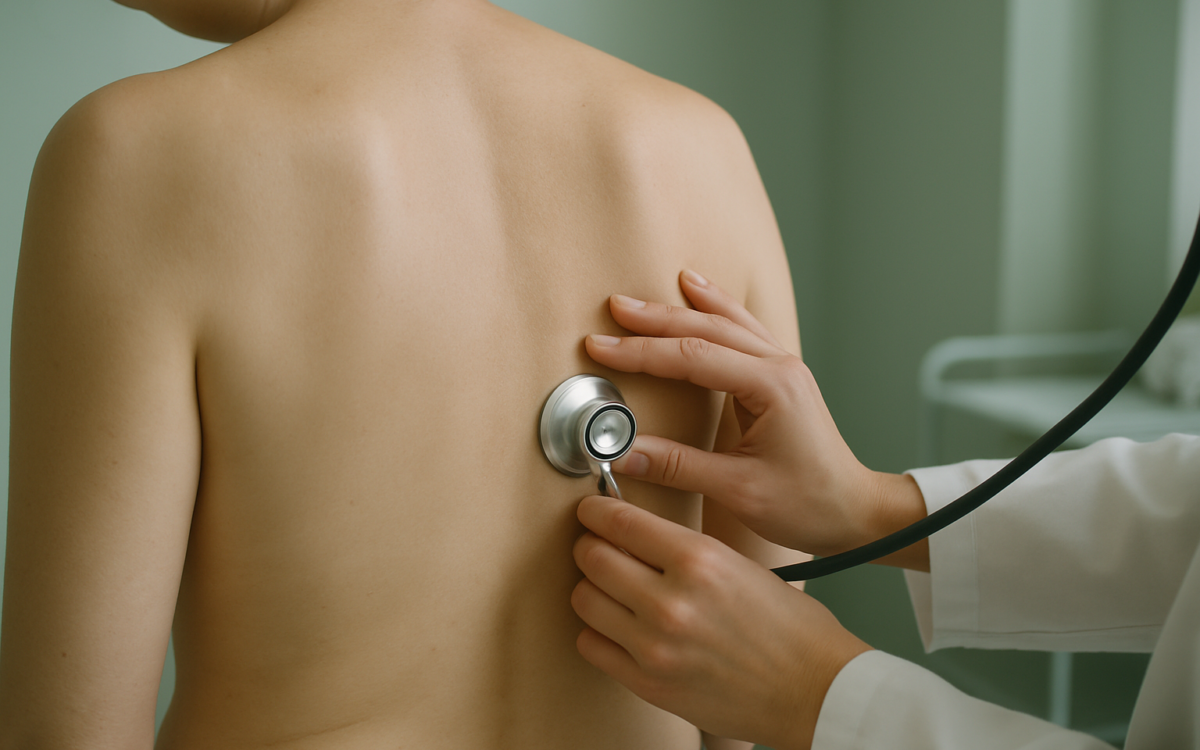
When you think of the largest organ in the human body, you might picture something internal, like the liver or lungs. However, it’s actually the skin that takes the title. This remarkable organ is not only the body’s outer shield but also plays a vital role in numerous bodily functions. Let’s explore the fascinating world of skin—the largest organ in the body—and how we can take care of it.
Understanding the Skin
The skin covers the entire surface of our bodies, acting as a protective barrier. It serves to keep vital fluids in and harmful substances out. But that’s just the beginning of what this organ does. Comprised of three main layers—epidermis, dermis, and subcutaneous tissue—each layer has its own important functions.
The Layers of Skin
Epidermis
The epidermis is the outermost layer of skin. This layer is primarily made up of keratinocytes, which produce keratin, a protein that helps form a tough layer to protect your skin. The epidermis also contains melanocytes, which are responsible for the skin’s pigmentation. This layer plays a crucial role in protecting against environmental hazards.
Dermis
Located beneath the epidermis, the dermis contains connective tissue, hair follicles, and a variety of glands. It is much thicker than the epidermis and houses important components like blood vessels, nerve endings, and sweat glands. This layer is essential for temperature regulation, sensation, and overall skin health.
Subcutaneous Tissue
The deepest layer of skin, known as subcutaneous tissue, primarily consists of fat and connective tissue. This layer acts as an insulator, helping to regulate body temperature and providing cushioning to protect underlying muscles and bones.
The Functions of Skin
Skin serves several important functions in maintaining health:
- Protection: Your skin acts as a barrier against bacteria, viruses, and other harmful substances.
- Regulation: It helps in regulating body temperature through sweat and blood flow.
- Sensation: Skin is rich in nerve endings that allow us to feel touch, pain, and temperature.
- Vitamin D Production: When exposed to sunlight, skin produces vitamin D, essential for bone health.
- Absorption: Certain substances, like medications, can be absorbed through the skin.
Skin Health: Tips for Caring for Your Largest Organ
Taking care of your skin is crucial for overall health. Here are some tips to maintain its vitality:
Stay Hydrated
Drink plenty of water throughout the day. Hydrated skin appears more vibrant and is less prone to dryness and irritation.
Protect from the Sun
Use sunscreen with a minimum SPF of 30 every day, even when it’s cloudy. This protects your skin from harmful UV rays that can lead to cancer and premature aging.
Follow a Skincare Routine
Establish a skincare routine that includes cleansing, moisturizing, and exfoliating. Choose products that suit your skin type—whether oily, dry, or sensitive.
Avoid Smoking and Excessive Alcohol
Smoking and heavy drinking can damage the skin over time. Quitting smoking and moderating alcohol intake can significantly improve your skin’s appearance.
Eat a Balanced Diet
A diet rich in fruits, vegetables, healthy fats, and lean proteins provides the nutrients needed for healthy skin. Foods high in antioxidants, like berries and leafy greens, combat inflammation and promote skin health.
Common Skin Conditions
Despite our best efforts, skin can still encounter problems. Common skin conditions include:
- Acne: A frequent issue among teenagers and young adults caused by clogged pores and excess oil.
- Eczema: A chronic condition that leads to itchy, inflamed skin.
- Psoriasis: An autoimmune condition that causes skin cells to build up, forming scales and itchy patches.
- Skin Cancer: The most common kind of cancer in the U.S., making up nearly half of all cancer diagnoses.
If you notice any unusual changes in your skin, such as new moles, changes to existing moles, or persistent rashes, it’s essential to consult a healthcare provider.
When to See a Doctor
If you experience severe skin problems such as persistent rashes, unexpected changes in skin coloration, new growths, or symptoms of infection (like redness, swelling, or pus), seeking medical advice is crucial. Regular check-ups with a dermatologist can help keep your skin healthy and catch any potential issues early.
In summary, the skin is not just an outer covering; it’s a dynamic organ vital to our health and well-being. Understanding its functions and taking steps to care for it can lead to healthier skin and, consequently, overall better health.
