
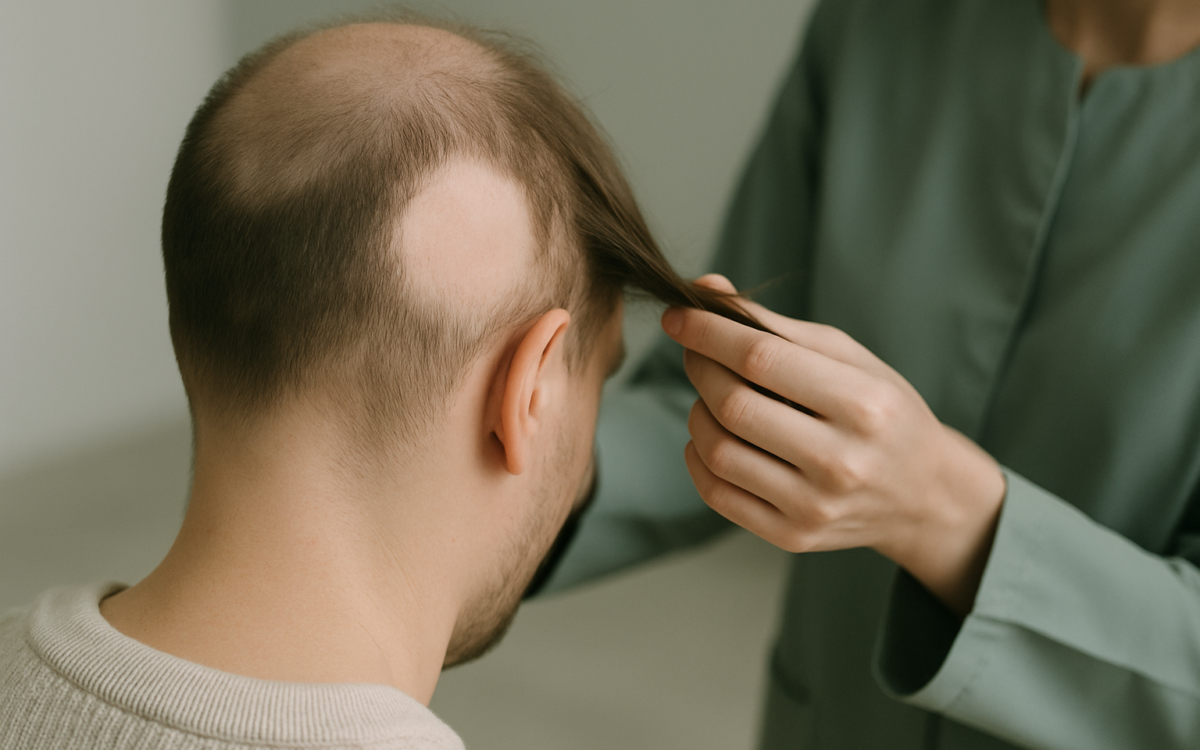
Alopecia areata is a condition that can cause sudden hair loss in patches and is more common than many realize. While it may seem alarming, it’s important to understand what alopecia areata is, what causes it, and how it can affect your life. With proper information, those affected can make empowered decisions about their health and seek appropriate treatment.
What is alopecia areata?
Alopecia areata is an autoimmune disease, meaning the body’s immune system mistakenly attacks its own hair follicles. This can result in patchy hair loss that can occur on the scalp, face, or other areas of the body. Though it can affect anyone, it often appears during childhood or early adulthood. Alopecia areata can present challenges not only due to the physical symptoms but also because of its emotional and psychological impact.
Causes of alopecia areata
The exact cause of alopecia areata isn’t well understood, but research suggests multiple factors might contribute:
- Autoimmune Response: The immune system may behave abnormally and target hair follicles, leading to hair loss.
- Genetics: A family history of autoimmune diseases may increase the risk of developing alopecia areata.
- Environmental Triggers: Stress, infections, or other environmental factors might play a role in triggering the condition.
Understanding these factors is crucial for recognizing that alopecia areata is not simply a cosmetic issue—it’s a complex condition involving the immune system.
Symptoms to watch for
The primary symptom of alopecia areata is hair loss in small patches. These patches can appear suddenly and may expand or merge over time. Other possible symptoms may include:
- Excessive hair shedding or thinning
- Change in nail texture (for some individuals)
- Itching or a tingling sensation in the affected area before hair falls out
It’s important to note that while hair loss can be distressing, the condition itself is not usually painful. Many individuals find that their hair may eventually regrow, but this can vary from person to person.
Navigating treatment options
While there’s currently no cure for alopecia areata, several treatment options may help stimulate hair regrowth or help you manage the symptoms. Here are some common approaches:
- Topical Treatments: Medications like corticosteroids can be applied directly to the affected areas to reduce inflammation and promote hair growth.
- Injections: Corticosteroid injections directly into the scalp can also be an effective treatment for some.
- Oral Medications: In some cases, doctors may prescribe oral immunosuppressants to help prevent the immune system from attacking the hair follicles.
- Light Therapy: This involves exposing the scalp to ultraviolet light to stimulate hair growth.
If you’re considering treatment, it’s wise to consult a healthcare professional for personalized advice.
Emotional and psychological considerations
Dealing with alopecia areata often goes beyond the physical symptoms. The emotional and psychological impacts can be significant. Many individuals may experience feelings of anxiety, depression, or low self-esteem because of their hair loss. It’s important to seek support from friends, family, or support groups to help manage these feelings.
For those considering travelling abroad for treatments or specialized interventions, international patient services can provide valuable information about options and facilities available in other countries.
Living with alopecia areata
Despite the challenges posed by alopecia areata, many individuals find ways to cope and adapt. Some choose to wear wigs or hairpieces to conceal hair loss, while others embrace their new look. It’s all about finding what feels right for you. Some individuals report that exploring new hairstyles or being open about their condition helps them feel more confident.
When to see a doctor
If you’re experiencing sudden or unusual hair loss, it’s important to consult a healthcare professional. They can help determine whether alopecia areata or another condition is affecting your hair. Early intervention can help you manage your symptoms more effectively.
In summary, understanding alopecia areata and its implications can empower those affected by the condition. Whether you are looking for treatment options or coping strategies, remember that support is available.
