
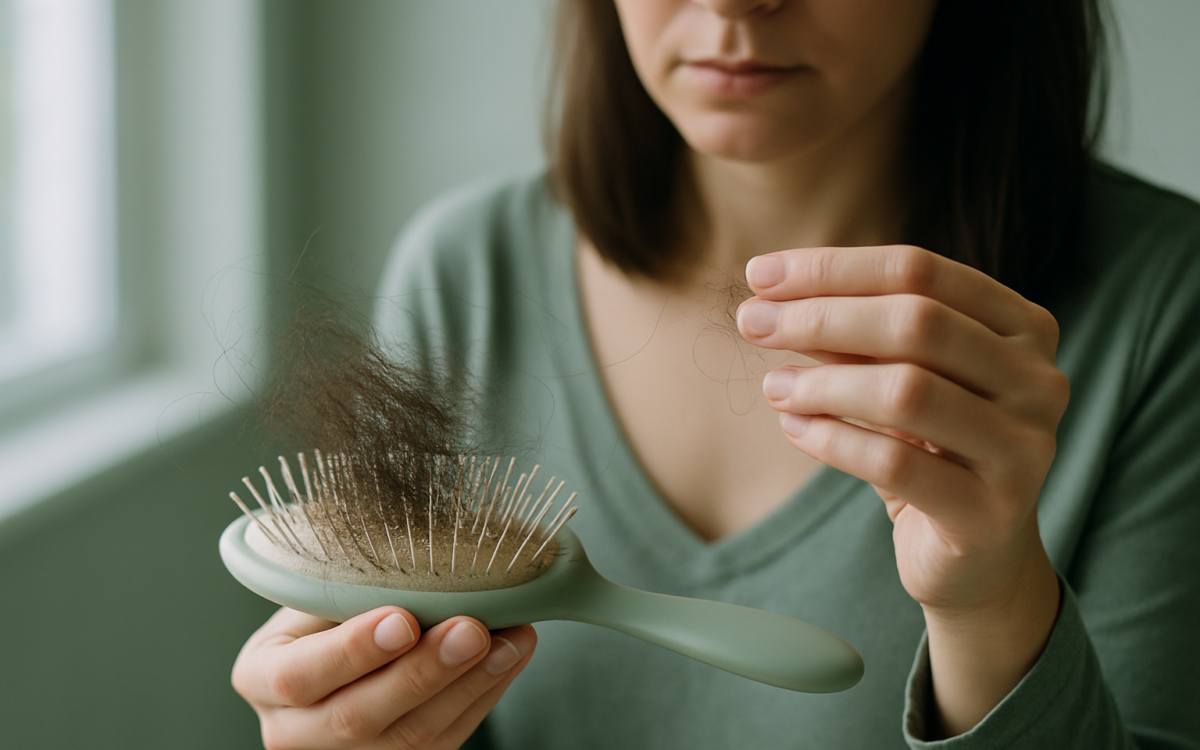
Noticing hair on your pillow or in your hairbrush can be alarming. Many people wonder, “Why am I losing my hair?” Hair loss can happen to anyone, and it’s a common concern that often stirs anxiety and self-consciousness. Understanding the causes is the first step toward addressing the issue.
Genetics: The Most Common Culprit
One of the leading reasons for hair loss is genetics. Known as androgenetic alopecia, this condition affects both men and women. In men, this condition typically leads to a receding hairline and thinning at the crown, often referred to as male-pattern baldness. Scientists believe that genetic factors can affect how your hair follicles respond to hormones like testosterone, leading to hair thinning and loss over time.
Research shows that if you have a family history of hair loss, you might be more prone to it yourself. If your father or grandfather faced hair loss, it raises your chances significantly (NIH).
Hormonal Changes: What’s Going On Inside
Hormones play a crucial role in hair growth, and even slight changes can impact your follicles. Factors such as puberty, pregnancy, menopause, or endocrine disorders can lead to hair loss. For instance, during pregnancy, many women experience thick, luscious hair due to increased estrogen levels. After giving birth, however, estrogen levels drop, often leading to increased shedding.
Conditions like polycystic ovary syndrome (PCOS) in women can also alter hormone levels and lead to hair thinning. When your body’s hormonal balance is off, your hair can respond in surprising ways, sometimes resulting in significant loss.
Stress and Hair Loss: The Connection
Have you ever noticed your hair behaving differently during stressful times? Yes, stress can cause hair loss, too. Both physical and emotional stress can push hair follicles into a resting phase, where they stop growing and may eventually fall out. Conditions like telogen effluvium can occur after a traumatic event, such as a serious illness or an emotional upset.
While stress-related hair loss is often temporary, it can still be distressing. Managing stress through relaxation techniques, exercise, and healthy coping strategies can help mitigate its effects on your hair.
Nutritional Factors: Are You Getting Enough?
Your diet plays a crucial role in maintaining healthy hair. Nutrient deficiencies, especially in protein, iron, and vitamins like A, D, and E, can contribute to hair loss. Hair is primarily made of a protein called keratin, so a diet that lacks sufficient protein can hinder hair growth.
Iron deficiency, too, is a common dietary concern linked to hair loss, especially in women. Iron helps transport oxygen to your hair follicles, and without it, growth can slow or halt. If you suspect that your diet may be impacting your hair, focusing on balanced meals can support overall health.
Medical Conditions Linked to Hair Loss
Several medical conditions can cause hair loss, some requiring a doctor’s attention. Conditions such as thyroid diseases, autoimmune disorders, and diabetes can impact hair growth and health. For example, alopecia areata is an autoimmune condition where the body mistakenly attacks hair follicles, causing sudden hair loss.
Other skin conditions, like psoriasis and dermatitis, can also lead to hair loss if they affect the scalp. If you notice bald patches or an unusual amount of hair loss, it’s advisable to consult a healthcare professional to rule out underlying conditions.
When to See a Doctor
If you’re experiencing sudden hair loss, more than usual hair shedding, or bald patches, it may be time to see a doctor. They’ll evaluate your medical history, conduct physical exams, and may recommend blood tests or scalp biopsies to narrow down the cause. Addressing hair loss early can improve your treatment options and outcomes.
Conclusion
Losing hair can be a stressful experience, but understanding the reasons behind it can empower you. Whether it’s genetics, hormonal changes, stress, nutrition, or medical conditions, there’s often an explanation. By taking steps to address potential causes and consulting with a healthcare professional, you can work toward healthier hair and peace of mind.
