
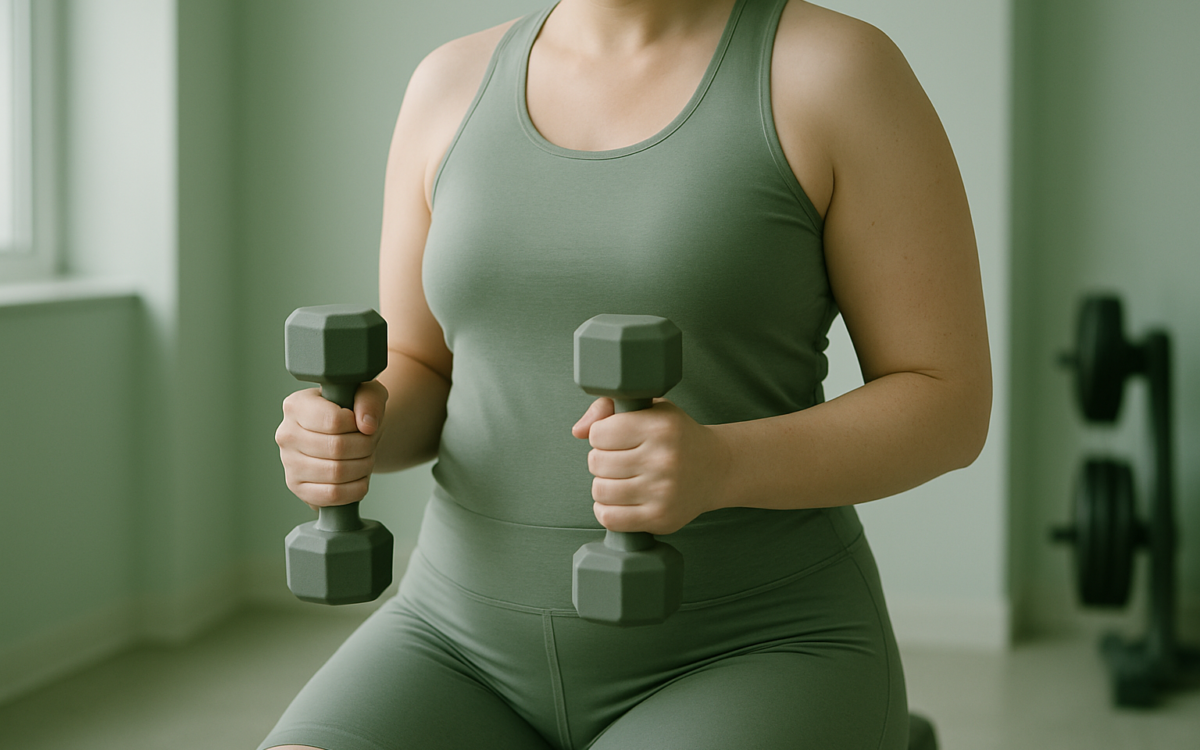
When it comes to weight loss, many people focus solely on cardio exercises like running or cycling. However, incorporating strength workouts can significantly boost your results. Not only does strength training help you burn calories, but it also builds muscle mass, which can increase your metabolism. In this article, we’ll explore effective strength workouts specifically designed for weight loss, along with tips, techniques, and essential considerations.
Why Strength Training Matters for Weight Loss
Strength training, also known as resistance training, involves working against a force to build muscle and strength. Unlike traditional cardio, which primarily burns calories during the workout, strength training can provide long-term benefits. Here’s why it’s an essential part of any weight loss plan:
- Increased muscle mass: More muscle means a higher resting metabolic rate, helping you burn more calories even while at rest.
- Enhanced fat loss: Strength training helps to target fat loss and maintain lean muscle during weight loss, unlike some forms of cardio that can lead to muscle loss.
- Improved body composition: Building strength can reshape your body by reducing body fat and increasing lean muscle mass, leading to a healthier appearance.
Effective Strength Workouts for Weight Loss
To maximize your weight loss efforts, you don’t need to spend hours at the gym. A well-structured strength workout can be done in as little as 30-45 minutes, two to three times a week. Here are some effective exercises to include:
1. Squats
Squats are a fantastic lower body exercise that works multiple muscle groups, including your thighs and glutes. To perform a squat:
- Stand with your feet shoulder-width apart.
- Lower your body by bending your knees, keeping your back straight.
- Lower until your thighs are parallel to the floor, then stand back up.
2. Push-ups
Push-ups are a classic upper body workout that targets the chest, shoulders, and triceps. Modify them if needed:
- Start in a plank position with your hands slightly wider than shoulder-width.
- Lower your body until your chest nearly touches the floor.
- Push back up to the starting position.
3. Deadlifts
Deadlifts engage your back, core, and legs. Use proper form to avoid injury:
- Stand with feet shoulder-width apart while holding weights in front of you.
- Bend at the hips and knees, lowering the weights toward the ground.
- Keep your back flat and chest up as you return to standing.
4. Plank Variations
Planks strengthen your core, which is crucial for overall stability during workouts. Try these variations:
- Standard plank: Hold the plank position on your forearms and toes for 20-60 seconds.
- Side plank: Lie on your side, prop yourself up on one forearm, and lift your hips.
- Plank with shoulder taps: From a plank position, alternate tapping your shoulders with your hands.
Incorporating Strength Workouts into Your Routine
Consistency is key when it comes to seeing results. Here’s how to effectively incorporate strength workouts into your routine:
- Schedule your workouts: Treat your strength training sessions like scheduled appointments to create a regular habit.
- Mix it up: Include a variety of exercises to keep your routine exciting and engage different muscle groups.
- Increase intensity: Gradually add weights or resistance to your exercises to continue challenging your body.
Nutrition: Fueling Your Workouts and Recovery
While strength training is vital, nutrition plays a crucial role in your weight loss journey as well. Here’s how to ensure you’re properly fueling your body:
- Protein-rich foods: Incorporate lean meats, fish, beans, and legumes to support muscle recovery and growth.
- Complex carbohydrates: Foods like whole grains and fruits provide energy for your workouts.
- Stay hydrated: Proper hydration is essential for optimal performance and recovery.
Rest and Recovery: Don’t Skip It!
Rest days are just as important as workout days. Allowing your muscles to recover helps prevent injury and promotes growth. Consider the following:
- Schedule recovery days: Aim for at least one or two days of rest each week, depending on your intensity of training.
- Get enough sleep: Quality sleep helps your body recover and improves performance.
- Listen to your body: If you feel excessive fatigue or soreness, take a break or consult a professional.
When to See a Doctor
If you experience any unusual pain, discomfort, or fatigue while exercising, it may be wise to consult a healthcare professional. This is especially important if you have any existing health conditions or concerns about starting a new exercise regimen. Your doctor can help determine the best approach to achieve your weight loss and fitness goals safely.
For more information on exercise and weight management, you may refer to resources from the CDC and the Mayo Clinic.
In conclusion, strength workouts are an effective and essential component of any weight loss strategy. By understanding the fundamentals of strength training, incorporating a variety of exercises, and paying attention to nutrition and recovery, you can achieve your fitness goals sustainably. Embrace the process, stay consistent, and watch as your efforts transform not just your body, but your overall health.
