
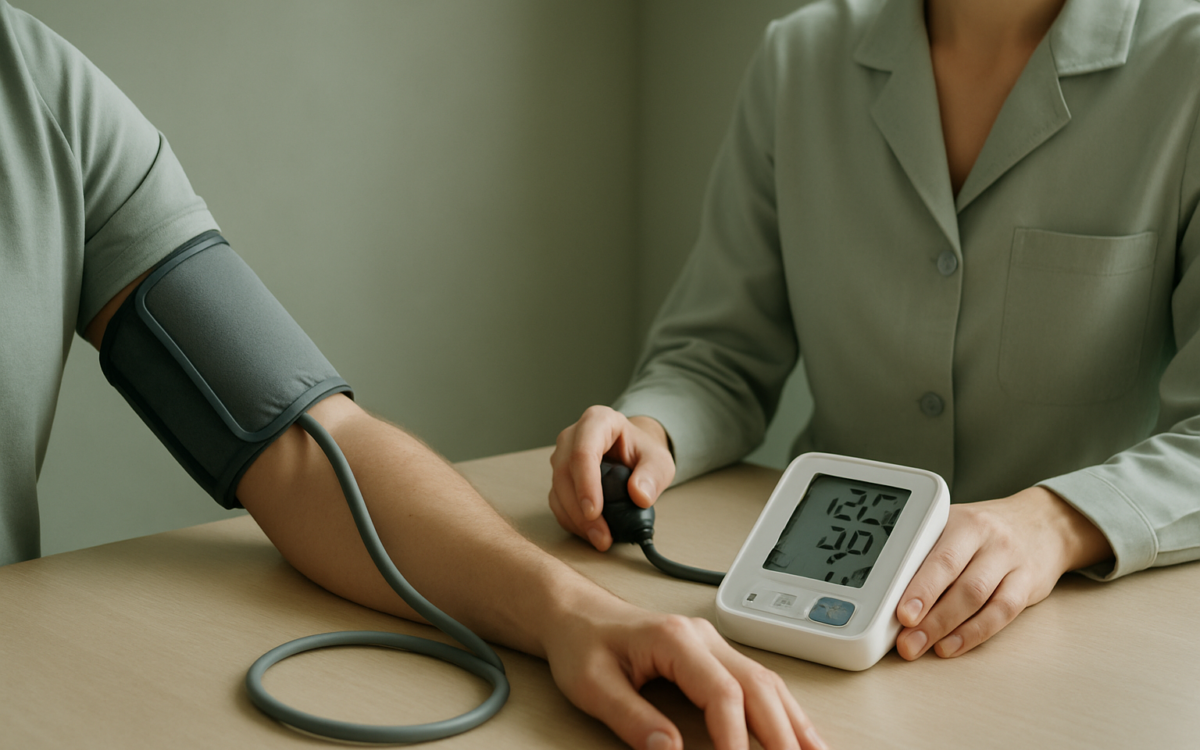
Blood pressure is an important marker of our heart health, yet many people are unaware of what it should ideally be. Knowing your ideal blood pressure can help you understand your overall health and identify potential issues before they become serious. In this article, we will explore what ideal blood pressure means, why it is important, and how to maintain it effectively.
What is Blood Pressure?
Blood pressure measures the force of blood pushing against the walls of your arteries as your heart pumps it around your body. This pressure is expressed as two numbers: systolic and diastolic pressure. Systolic pressure is the first number, and it measures the pressure in your arteries when your heart beats. Diastolic pressure, the second number, measures the pressure in your arteries when your heart rests between beats. Blood pressure is typically represented in millimeters of mercury (mmHg), such as 120/80 mmHg.
Defining Ideal Blood Pressure
The Centers for Disease Control and Prevention (CDC) defines ideal blood pressure as less than 120/80 mmHg. Here’s a breakdown of blood pressure categories as defined by various health organizations:
- Normal: Less than 120/80 mmHg
- Elevated: Systolic between 120-129 and diastolic less than 80 mmHg
- Hypertension Stage 1: Systolic between 130-139 or diastolic between 80-89 mmHg
- Hypertension Stage 2: Systolic 140 or higher or diastolic 90 or higher
- Hypertensive Crisis: Systolic higher than 180 and/or diastolic higher than 120
It’s essential to note that individual health conditions may influence these numbers. Always consult with your healthcare provider for personalized assessments.
Why Ideal Blood Pressure Matters
Maintaining ideal blood pressure is crucial for overall health. High blood pressure, or hypertension, can lead to various health issues, including:
- Heart disease
- Stroke
- Kidney damage
- Vision loss
Conversely, low blood pressure, or hypotension, can also cause issues, such as dizziness and fainting. Thus, it is vital to understand where you stand concerning blood pressure.
Factors Influencing Blood Pressure
Several factors can influence your blood pressure levels. Understanding these factors can help you make lifestyle choices to maintain ideal blood pressure:
1. Diet
A balanced diet plays a foundational role. Diets rich in fruits, vegetables, whole grains, and lean proteins can support healthy blood pressure. The World Health Organization (WHO) emphasizes reducing salt intake and managing fat consumption as part of maintaining healthier blood pressure levels.
2. Physical Activity
Regular physical activity strengthens the heart and helps maintain a healthy weight, both of which are beneficial for blood pressure. The CDC recommends at least 150 minutes of moderate-intensity exercise per week.
3. Stress Management
Chronic stress can contribute to temporary spikes in blood pressure. Learning stress-reduction techniques such as mindfulness, yoga, or simply engaging in hobbies you love can help keep your blood pressure in check.
4. Alcohol and Tobacco Use
Both smoking and excessive alcohol consumption can negatively affect your blood pressure. Quitting smoking and moderating alcohol intake can lead to significant improvements in your health and blood pressure readings.
Monitoring Your Blood Pressure
Regular monitoring of blood pressure is essential, especially if you are at risk of hypertension. Here are some ways to monitor your blood pressure effectively:
- At Home: Consider investing in a home blood pressure monitor. These devices are often easy to use and give you immediate results.
- In Clinics: Regular check-ups with your healthcare provider can help monitor your blood pressure levels accurately.
- Understand Readings: Learn how to read your blood pressure numbers and know when to be concerned. Results consistently above 130/80 mmHg should prompt a discussion with your healthcare provider.
When to See a Doctor
If you regularly have blood pressure readings above 130/80 mmHg or experience symptoms like severe headaches, chest pain, or dizziness, it’s important to consult your doctor. Routine check-ups can promote early detection of any potential issues, while also empowering you to make informed lifestyle choices.
Conclusion
Understanding ideal blood pressure is crucial for maintaining your heart health and overall well-being. By incorporating healthy lifestyle choices such as a balanced diet, regular exercise, and stress management, you can help keep your blood pressure in check. Remember, regular monitoring and consultations with healthcare professionals can provide guidance tailored to your individual needs. With proactive care, maintaining ideal blood pressure is within your reach.
