
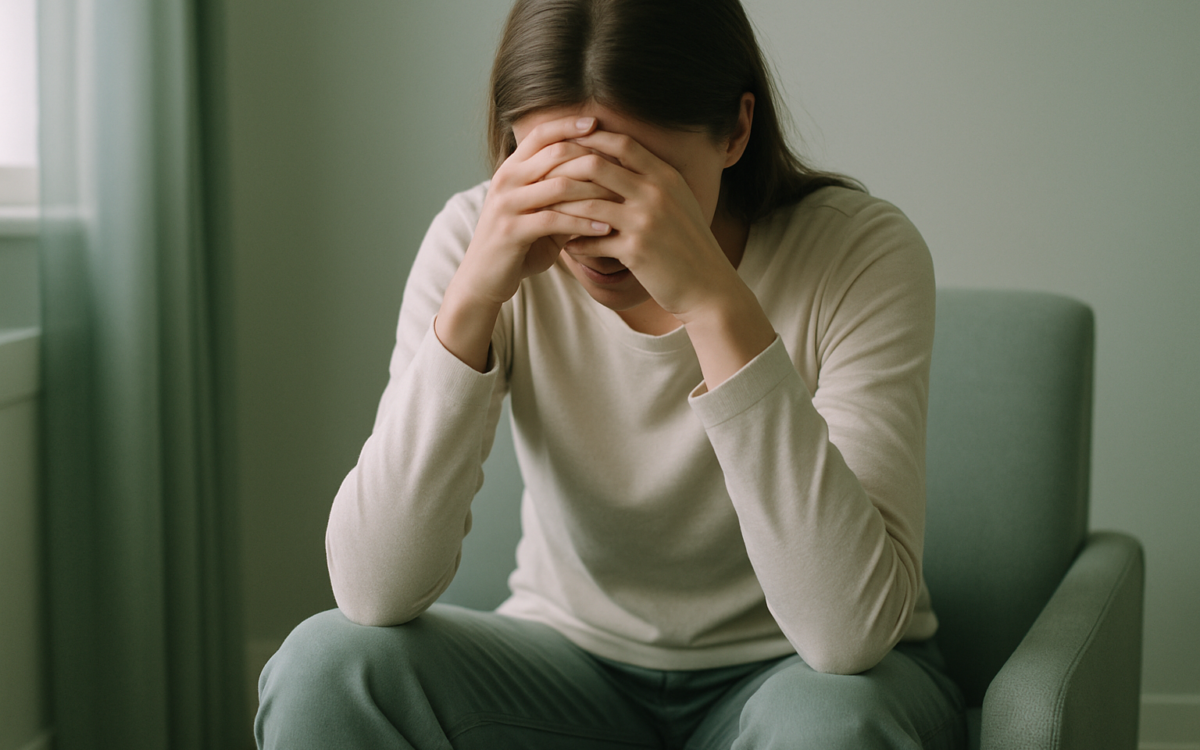
Many people struggle with feelings of sadness or hopelessness at different times in their lives. If you’ve been asking yourself, ‘Am I depressed?’ it’s important to understand that you are not alone. Depression can affect anyone, regardless of age, gender, or background. This article will help you recognize the signs of depression and understand what steps you can take if you feel overwhelmed.
What is depression?
Depression is more than just feeling down. It is a serious mood disorder that affects how you think, feel, and handle daily activities. According to the World Health Organization (WHO), over 264 million people worldwide experience depression. Symptoms can vary widely but often include persistent sadness, loss of interest in activities, and changes in sleep or appetite.
Common symptoms of depression
Recognizing the symptoms of depression is the first step in addressing your mental health. While everyone experiences sadness differently, here are some common signs to look for:
- Persistent sad or empty mood: Feeling down most of the day, nearly every day.
- Loss of interest: Losing interest or pleasure in activities you once enjoyed.
- Changes in sleep: Experiencing insomnia or sleeping excessively.
- Fatigue: Feeling tired, even after resting.
- Difficulty concentrating: Struggling to focus or make decisions.
- Feelings of worthlessness: Experiencing excessive guilt or feeling like a failure.
- Physical symptoms: Experiencing unexplained aches and pains.
The impact of depression on daily life
Depression affects people in different ways and can severely impact daily life. It often interferes with work, relationships, and personal care. You might find it challenging to get out of bed, go to work, or engage with friends and family. This social withdrawal can create a vicious cycle, further deepening feelings of isolation and sadness. Understanding that your experience is valid and common can be the first step to recovery.
How is depression diagnosed?
If you resonate with the symptoms mentioned, it may be helpful to speak with a healthcare professional. Depression is diagnosed based on a combination of self-reported symptoms, medical history, and sometimes assessments or questionnaires. You can consult the Mayo Clinic for more information on diagnostic criteria.
What can I do if I think I’m depressed?
If you find yourself wondering, ‘Am I depressed?’ and you resonate with several symptoms, consider taking the following steps:
- Seek support: Talk to someone you trust about how you’re feeling. Friends and family can offer valuable support.
- Stay active: Regular exercise can improve mood. Even a short walk can help.
- Maintain a healthy diet: Eat regular meals and try to include various fruits, vegetables, and whole grains.
- Practice mindfulness: Techniques like meditation and deep breathing may benefit your mental health.
It’s crucial to understand that while coping strategies can help manage mild symptoms, they are not a replacement for professional help. If feelings of depression persist, professional guidance is essential.
When to see a doctor
If your feelings of sadness or hopelessness last for weeks or interfere with your life, it’s crucial to seek help. Contact a healthcare provider if:
- Your symptoms worsen or you have thoughts of self-harm.
- You feel overwhelmed and cannot cope.
- You have difficulty performing everyday tasks.
A healthcare professional can conduct an assessment and suggest a treatment plan, which may include therapy, medication, or a combination of both.
Conclusion
If you’ve been reflecting on your mental health and wondering, ‘Am I depressed?’ it’s vital to give yourself the space to explore these feelings. Remember, reaching out for help is a sign of strength, not weakness. Understanding depression is the first step toward healing, and there are many resources available to help guide you on your journey.
