
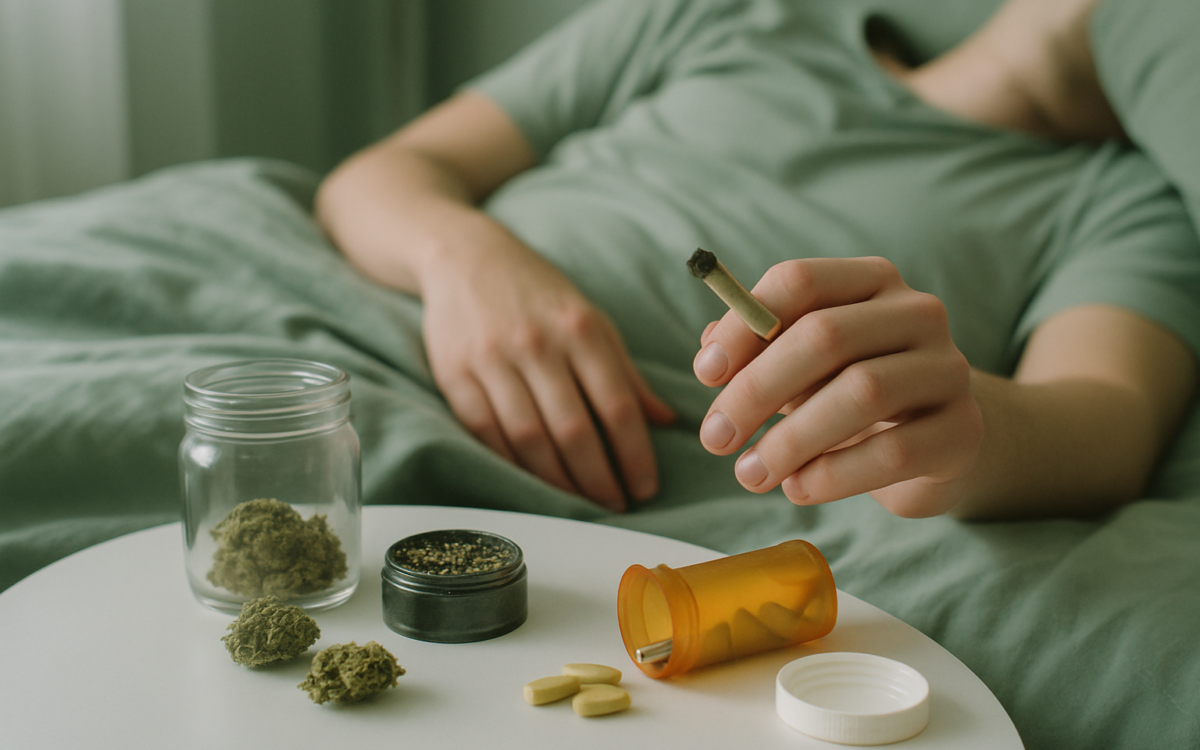
As cannabis becomes more widely accepted for medical and recreational use in many places, many people are exploring its potential benefits and risks. One common question that arises is, “Can you overdose on pot?” Understanding the effects of cannabis, particularly the active compound THC (tetrahydrocannabinol), is essential for safe usage.
The Short Answer: Yes, You Can Overdose on Pot
While a fatal overdose from cannabis is rare, it is possible to experience negative effects from consuming too much. Cannabis overdose typically manifests as uncomfortable or alarming symptoms, rather than life-threatening consequences. Unlike some substances, cannabis does not depress the respiratory system, which is why fatalities are uncommon.
What Happens During a Cannabis Overdose?
An overdose on cannabis usually occurs when someone consumes too much THC, the primary psychoactive compound in marijuana. Symptoms can vary from person to person but often include:
- Increased heart rate
- Paranoia or extreme anxiety
- Nausea or vomiting
- Hallucinations
- Severe confusion
- Extreme drowsiness
Most people report that these symptoms are uncomfortable but not dangerous. The duration of these effects can last anywhere from a few hours to a full day, depending on factors like dosage and method of consumption (smoking vs. edibles).
Factors Influencing Cannabis Overdose Risks
Several factors can affect an individual’s tolerance to cannabis and their risk of overdosing:
- Dosage: Higher doses of THC significantly increase the risk of experiencing adverse effects.
- Consumption method: Consuming cannabis through edibles can lead to higher risks since the body processes THC differently compared to smoking. Edibles take longer to kick in, leading some to consume more than intended.
- Individual tolerance: Regular cannabis users may have a higher tolerance and can handle more THC without negative effects compared to infrequent users.
- Other substances: Mixing cannabis with alcohol or other drugs can also increase the risk of adverse reactions.
Understanding these factors can help users make informed choices and enjoy cannabis more safely.
Recognizing the Symptoms of Overdose
If you or someone you know is experiencing symptoms of a cannabis overdose, it’s important to recognize the signs. The following strategies can help manage the situation:
- Stay calm and reassure the individual that symptoms will generally pass.
- Encourage hydration by drinking water.
- Provide a safe, comfortable environment to help alleviate anxiety.
- Consider the option of seeking medical help if symptoms worsen or feel overwhelming.
International Perspectives on Cannabis Treatment and Risks
As cannabis use expands across borders, different countries adopt varying stances on its legality and use in treatment. For instance, in places like Turkey, there might be specific treatment protocols involving cannabis for chronic pain or other conditions. If you’re considering treatment in Turkey or anywhere else, being aware of local regulations and the potential for adverse reactions is crucial.
How to Use Cannabis Responsibly
To minimize the risk of overdose, it’s important to consume cannabis responsibly. Here are some tips:
- Start with low doses, especially if you’re new to cannabis.
- Wait at least 2 hours before taking more, particularly with edibles.
- Choose reputable sources to ensure quality and consistency in products.
- Avoid mixing cannabis with alcohol or stimulants.
Being mindful of these practices can lead to safer experiences and more enjoyable usage of cannabis.
When to See a Doctor
If you or someone else experiences severe symptoms after using cannabis—such as significant confusion, extreme anxiety, heart palpitations, or a persistent inability to relax—it may be time to seek medical attention. While many cannabis-related symptoms are manageable at home, professional help is important for ensuring safety and well-being.
In conclusion, while it’s technically possible to overdose on cannabis, understanding the effects and practicing responsible consumption can help you navigate its use safely. Knowledge and caution are key on your journey with cannabis.
