
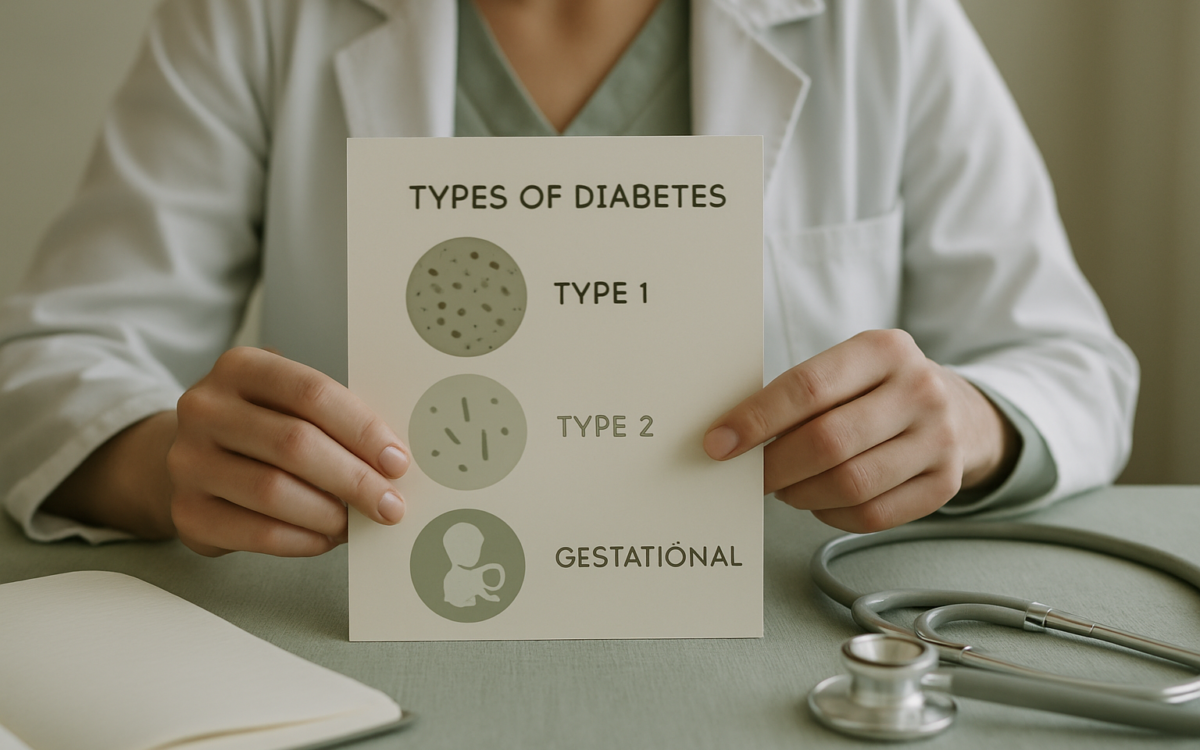
Health conditions can be complex and varied, influencing our lives in different ways. Understanding the different types of health conditions helps us recognize symptoms, seek appropriate treatment, and make informed decisions about our health. In this article, we will explore the major categories of health conditions, their characteristics, and important considerations for managing them.
1. Acute and Chronic Conditions
Health conditions can generally be classified into two main types: acute and chronic.
Acute Conditions
Acute conditions appear suddenly and are usually severe in nature. They may result from an injury, an infection, or a sudden change in a person’s health status. Examples include:
- Acute respiratory infections (like the flu)
- Severe injuries (such as fractures or sprains)
- Heart attacks
- Appendicitis
Most acute conditions require immediate medical attention and can typically be resolved with timely treatment.
Chronic Conditions
Chronic health conditions, on the other hand, develop over time and last for an extended period, often throughout a person’s life. Examples include:
- Diabetes
- Heart disease
- Arthritis
- Mental health disorders, like depression and anxiety
While many chronic conditions can be managed effectively through medication, lifestyle changes, and ongoing care, they often require long-term management strategies.
2. Infectious vs. Non-Infectious Conditions
Another vital distinction in health conditions is between infectious and non-infectious diseases.
Infectious Conditions
Infectious diseases are caused by pathogens such as bacteria, viruses, fungi, or parasites. These conditions can spread from person to person, often through direct contact or contaminated environments. Common infectious diseases include:
- COVID-19
- HIV/AIDS
- Tuberculosis
- Hepatitis
The Centers for Disease Control and Prevention (CDC) provides resources to help prevent the spread of these ailments.
Non-Infectious Conditions
Non-infectious diseases are not caused by pathogens and typically result from genetic, environmental, or lifestyle factors. They include many chronic illnesses and conditions such as:
- Cardiovascular diseases
- Diabetes
- Asthma
- Most cancers
Awareness of these types can aid in prevention and management strategies.
3. Mental Health Disorders
Mental health is a critical aspect of our overall wellbeing, and several types encompass varying challenges. Recognizing these types of mental health disorders is vital for seeking appropriate support and treatment.
Common Types of Mental Health Disorders
– **Anxiety Disorders:** These include generalized anxiety disorder, panic disorder, and social anxiety disorder. Individuals may experience excessive fear or worry that can interfere with daily activities.
– **Mood Disorders:** Conditions like depression and bipolar disorder affect a person’s emotional state, leading to feelings of extreme sadness or fluctuating moods.
– **Personality Disorders:** These disorders impact how one thinks, feels, and behaves, often resulting in difficulty in social interactions and relationships. Borderline personality disorder is one example.
Understanding the different types of mental health conditions can lead to better outcomes when seeking therapy or medication. Support from professionals can make a huge difference in managing these conditions.
4. Lifestyle-Related Conditions
Many health conditions today are linked to lifestyle choices. These can often be prevented or managed through modifications in diet, exercise, and personal habits.
Common Lifestyle-Related Conditions
Examples of conditions that can stem from poor lifestyle choices include:
- Obesity
- Type 2 diabetes
- Cardiovascular diseases
- Certain types of cancer
Investing in healthy habits can reduce the risk of developing these conditions. Programs promoting healthy eating and active living can greatly enhance public health.
For those considering options such as weight management surgery or comprehensive treatment for chronic diseases, there are international options available for enhanced care. Seeking treatment in Turkey can offer advanced medical solutions and a different perspective on managing lifestyle-related health challenges.
5. Rare and Genetic Conditions
Some conditions fall under the category of rare or genetic diseases, affecting fewer individuals but often requiring specialized treatment approaches.
Characteristics of Rare and Genetic Conditions
Examples include:
- Cystic fibrosis
- Muscular dystrophy
- Huntington’s disease
- Specific syndromes, like Down syndrome
Individuals with rare diseases often face unique challenges related to diagnosis, treatment access, and availability of support networks. Awareness and research can help improve resources available for these patients.
When to See a Doctor
It’s essential to understand when to seek medical attention. If you experience symptoms that are unusual for you, persistent pain, difficulty breathing, or significant changes in your health, it is advisable to consult your healthcare provider. Early diagnosis and treatment can make a significant difference.
Conclusion
We live in a world filled with diverse health conditions, each requiring different approaches to care and management. By understanding the types of health conditions and their implications, we empower ourselves to take charge of our healthcare. Knowledge is an essential tool in advocating for our health and well-being.
