
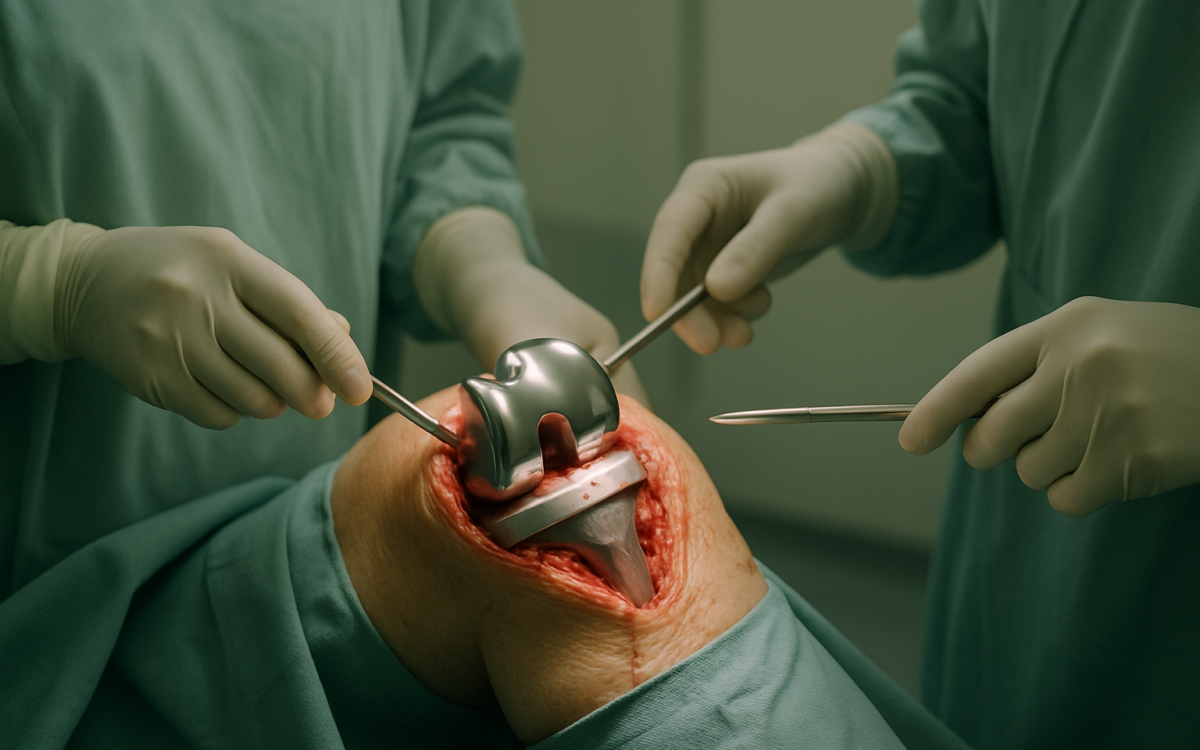
Total knee replacement (TKR) surgery is an important option for individuals suffering from severe knee pain or disability, often caused by conditions like osteoarthritis or rheumatoid arthritis. This procedure has improved the quality of life for many, allowing them to regain mobility and relieve chronic discomfort. In this article, we’ll go through what total knee replacement entails, the benefits and risks, the recovery process, and when to consult a healthcare professional.
What is Total Knee Replacement?
Total knee replacement involves surgically removing damaged cartilage and bone from the knee joint and replacing it with artificial components. These components are designed to mimic the movement of a healthy knee and provide a stable surface for bones to glide over. People often consider this surgery when non-surgical treatments, such as physical therapy, medication, or injections, fail to alleviate their suffering.
Who Needs Total Knee Replacement?
Typically, candidates for total knee replacement include individuals experiencing:
- Severe knee pain that limits daily activities.
- Stiffness, creating difficulties in bending or straightening the knee.
- Swelling and inflammation that do not improve with medication.
- A decrease in the overall quality of life due to limited mobility.
Conditions like degenerative joint disease, severe knee injuries, and knee deformities may also qualify a patient for this procedure. Each case is unique, and a thorough evaluation by a healthcare professional is essential.
Benefits of Total Knee Replacement
Total knee replacement offers several significant benefits:
- Pain Relief: Most patients experience significant pain relief after surgery, which can lead to improved overall well-being.
- Improved Function: Many individuals regain the ability to perform daily activities, such as walking, climbing stairs, or engaging in sports.
- Increased Mobility: The surgery restores function and mobility, enhancing one’s quality of life.
- Long-lasting Results: In many cases, knee replacements can last upwards of 15-20 years with proper care and maintenance.
The Total Knee Replacement Procedure
The total knee replacement procedure typically follows these steps:
- Preparation: Before surgery, patients undergo imaging tests such as X-rays to assess the knee’s condition.
- Anesthesia: The procedure usually requires general anesthesia or regional anesthesia (numbing the lower body).
- Incision: The surgeon makes an incision over the knee to access the joint.
- Removing Damaged Tissue: The surgeon removes damaged cartilage and bone and shapes the surfaces for the prosthetic.
- Implantation: The new prosthetic components are securely positioned, allowing for natural motion.
- Closure: The incision is closed with sutures or staples, and the area is bandaged.
While total knee replacement is a common and generally safe procedure, it does carry some risks, including infection, blood clots, and complications related to anesthesia. Discussing these risks with a healthcare provider can help establish an informed decision.
Recovery After Total Knee Replacement
Recovery from total knee replacement surgery typically takes time and dedication. Here’s what to expect:
- Hospital Stay: Most patients stay in the hospital for 1 to 3 days post-surgery.
- Physical Therapy: Rehabilitation is crucial and often begins within a day of surgery to improve the range of motion and regain strength.
- Pain Management: Pain relief strategies, including medication and therapy, will be implemented to ease discomfort.
- Home Care: Patients may need support at home for several weeks. Assistive devices like crutches or walkers are often recommended during recovery.
- Follow-up Appointments: Regular check-ups with the surgeon help monitor healing and implant function.
Many individuals can return to normal everyday activities within a few months, but full recovery can take up to a year. The aim of recovery is to minimize pain and restore movement while ensuring a successful outcome.
Maintaining Knee Health After Surgery
Post-operative care is essential for longevity of the knee implant and overall joint health:
- Stay Active: Engage in low-impact exercises, such as swimming or cycling, to promote knee strength and flexibility.
- Weight Management: Maintaining a healthy weight reduces stress on the knee joint.
- Regular Check-ups: Consistent monitoring by a healthcare professional can help catch potential complications early.
- Pain Monitoring: Keep track of pain levels and report any significant changes to a doctor.
When to See a Doctor
If you experience any of the following after a knee replacement, it’s important to reach out to a healthcare professional:
- Increased pain or swelling in the knee joint.
- Fever or chills, which may indicate infection.
- Inability to move the knee or a sudden increase in stiffness.
Post-surgery complications can arise, and seeking timely medical attention is crucial for successful recovery.
In conclusion, total knee replacement surgery can drastically improve quality of life for those suffering from debilitating knee pain. With effective management and commitment to rehabilitation, many enjoy a return to an active lifestyle. It’s important to remain informed and work closely with your healthcare team for the best outcomes.
