
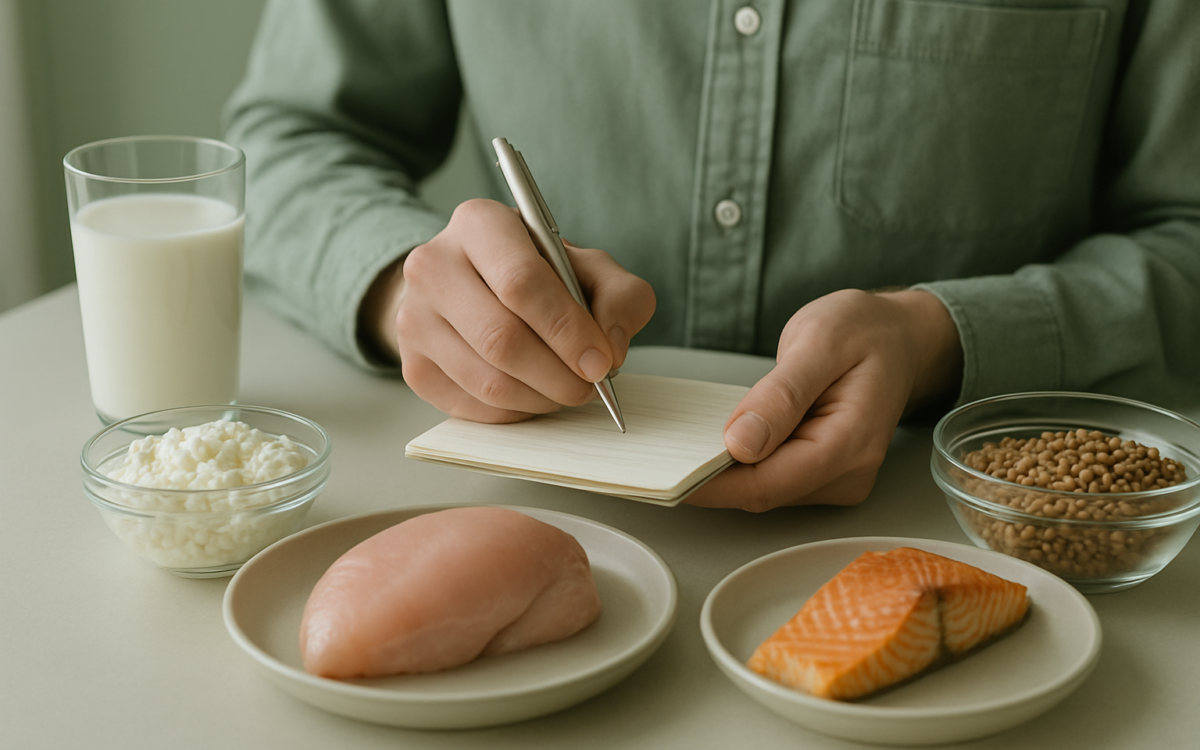
Protein is one of the fundamental building blocks of our bodies. It’s essential for growth, maintenance, and repair of tissues. Whether you are an athlete, looking to lose weight, or simply trying to eat healthier, knowing how much protein you need can be a valuable addition to your nutrition plan. This article will help you understand your protein needs and how to meet them effectively.
Understanding Protein’s Role in the Body
Before diving into how many grams of protein you need, it’s crucial to grasp why protein is important. Protein supports numerous bodily functions, including:
- Building and repairing muscles
- Producing enzymes and hormones
- Supporting immune function
- Providing energy when carbohydrates are not available
The body breaks down proteins into amino acids, which are then used to create new proteins and support essential processes. This makes understanding protein intake vital for anyone, regardless of their lifestyle.
How Much Protein Do You Need?
The Recommended Dietary Allowance (RDA) for protein varies based on several factors, including age, gender, and activity level. The RDA for adults is approximately 46 grams per day for women and 56 grams per day for men. However, individual needs can differ significantly based on your lifestyle and health goals.
Factors Influencing Protein Requirements
Several factors can influence your protein needs beyond the standard RDA:
1. Age and Gender
Older adults may require more protein to help maintain muscle mass and overall health. Additionally, pregnant or breastfeeding women need extra protein. For instance, pregnant women are advised to increase their protein intake to about 71 grams per day due to the demands of fetal development.
2. Physical Activity Level
If you are highly active, your protein needs will likely be higher. Athletes and individuals engaging in intense exercise may require anywhere from 1.2 to 2.0 grams of protein per kilogram of body weight to support muscle repair and growth. For example, a 70 kg (154 lbs) athlete may need between 84 to 140 grams of protein daily.
3. Health Goals
Those looking to lose weight or build muscle often benefit from higher protein diets. Protein can help you feel fuller longer, which aids in weight management. Studies suggest that consuming increased protein during weight loss can help preserve muscle mass and improve metabolic health (source: NIH).
4. Specific Health Conditions
Certain medical conditions, such as diabetes or chronic illnesses, may also impact your protein needs. Individuals recovering from surgery or those with severe burns may need more protein to aid healing and recovery. Always consult your healthcare provider regarding your specific needs in these situations.
Calculating Your Protein Needs
Here’s a straightforward way to estimate your protein requirements:
- Determine your weight in kilograms (divide your weight in pounds by 2.2).
- Multiply your weight by the appropriate protein factor based on your level of physical activity:
- 1.0 g/kg for sedentary adults
- 1.2-2.0 g/kg for active adults and athletes
For example, if you weigh 70 kg and are moderately active, you would multiply 70 by 1.5, which equals 105 grams of protein per day.
Sources of Quality Protein
Not all protein sources are created equal. It’s essential to choose high-quality protein sources that provide all nine essential amino acids. Some excellent sources include:
- Animal-based: Chicken, turkey, fish, eggs, and dairy products like Greek yogurt.
- Plant-based: Lentils, chickpeas, quinoa, nuts, seeds, and tofu.
Combining plant-based proteins can also supply the necessary amino acids if you’re following a vegetarian or vegan diet. For instance, rice and beans together make a complete protein.
Tips for Meeting Your Protein Goals
Incorporating protein into your diet is easier than it sounds! Here are some practical tips to help you hit your protein target:
- Start your day with a protein-rich breakfast: Opt for eggs, Greek yogurt, or a protein smoothie.
- Include protein in every meal: Add legumes, lean meats, or tofu to your lunch and dinner.
- Snack smart: Choose nuts, cheese, or a protein bar as your go-to snacks.
- Experiment with recipes: Try new dishes that incorporate proteins, like quinoa salads or lentil soups.
Consult a nutritionist if you’re unsure about the best sources of protein or how to meet your protein needs.
When to See a Doctor
If you have specific health concerns or are considering a major dietary change, it’s wise to consult a healthcare professional or a registered dietitian. They can provide personalized advice based on your health history and dietary needs.
Ultimately, knowing how many grams of protein you need can be a game-changer in your health journey. By understanding your unique requirements and incorporating a variety of protein-rich foods into your diet, you can set yourself up for success in achieving your health and fitness goals.
