
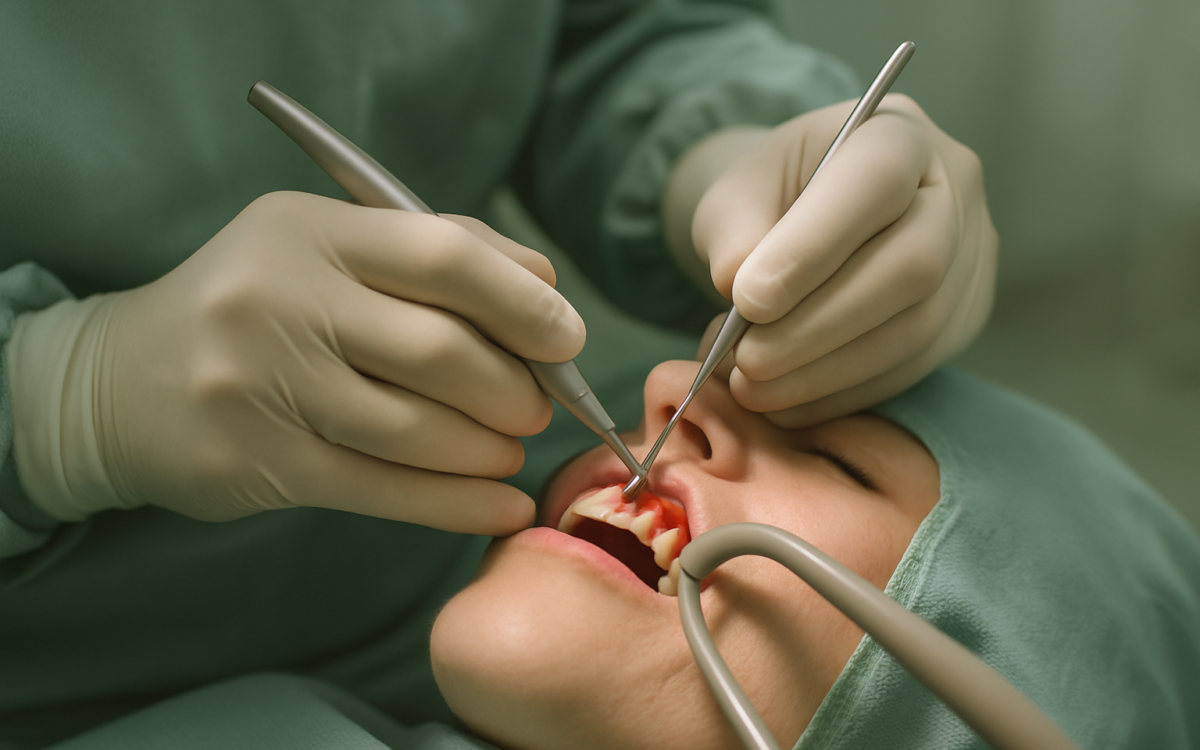
When it comes to maintaining oral health, many people may not be familiar with the term ‘osseous surgery.’ This surgical procedure can be crucial for individuals experiencing advanced gum disease or periodontitis, a condition that, if left untreated, can lead to tooth loss and other serious health issues. In this article, we’ll delve into what osseous surgery is, when it’s necessary, the procedure itself, and what you can expect during recovery to help you better understand this important aspect of dental care.
What is osseous surgery?
Osseous surgery, also known as periodontal surgery, is a surgery designed to reshape the bone supporting the teeth and the surrounding gum tissue. It aims to correct problems caused by periodontal disease, where bacteria infect the gums and bone, ultimately leading to the breakdown of these structures. As the disease progresses, pockets can develop between the teeth and gums, making it difficult to maintain adequate oral hygiene.
Why is osseous surgery performed?
The primary goal of osseous surgery is to treat chronic periodontitis and alleviate the damaging effects it has on the gums and bone. Here are some reasons why osseous surgery may be needed:
- Deep gum pockets: If periodontal disease has caused deep pockets to form between the teeth and gums, osseous surgery can help reduce pocket depth and minimize the risk of infection.
- Bone loss: When gum disease progresses, the bone supporting the teeth can deteriorate. This procedure helps restore that bone and ensures a better foundation for the teeth.
- Improved oral hygiene: Reducing the depth of gum pockets makes it easier for individuals to maintain proper oral hygiene, leading to better overall dental health.
The osseous surgery procedure
Osseous surgery typically involves the following steps:
- Preparation: Before the surgery, your dentist or periodontist will conduct a thorough examination, possibly including X-rays, to understand the extent of gum disease.
- Anesthesia: Local anesthesia will be administered to numb the area, ensuring you remain comfortable during the procedure.
- Incision and access: The surgeon will make an incision in the gum tissue to gain access to the underlying bone.
- Reshaping the bone: Once the bone is exposed, any damaged bone and tissue will be removed. The remaining bone may be reshaped to promote better healing and support for the teeth.
- Closing the incision: After reshaping, the gum tissue will be stitched back in place, and a protective dressing may be applied.
- Recovery: Following the surgery, your dentist will provide post-operative care instructions, including how to manage discomfort and promote healing.
What to expect during recovery
Recovery from osseous surgery varies from person to person, but here are some general expectations:
- Pain and swelling: Mild discomfort and swelling are normal and can typically be managed with prescribed pain medications.
- Diet modifications: A soft-food diet is usually recommended for the first few days to avoid irritation of the surgical site.
- Oral care: Maintaining proper oral hygiene is crucial, though you may need to adjust your usual routine. Your dentist will provide specific instructions.
- Follow-up appointments: Regular follow-ups are essential to monitor the healing process. Your dentist will check for any signs of complications.
For those considering treatment options beyond their local facilities, osseous surgery may also be available internationally. Many medical centers offer international patient services to assist with treatment arrangements.
Potential risks and complications
While osseous surgery is generally safe, as with any surgical procedure, there are potential risks involved:
- Infection: There is a possibility of infection at the surgical site. Following your dentist’s post-operative care instructions can help minimize this risk.
- Delayed healing: Some individuals may experience slower healing times, which can prolong recovery.
- Continued periodontal disease: If proper oral hygiene is not maintained after surgery, the risk of developing gum disease again remains.
It’s important to discuss any concerns with your dental professional before undergoing osseous surgery.
When to see a doctor
If you suspect you have gum disease or notice any symptoms such as swollen or bleeding gums, persistent bad breath, or loose teeth, it’s crucial to consult your dentist. Early intervention is key to preventing the progression of disease and the potential need for osseous surgery.
In conclusion, osseous surgery can be an effective solution for individuals battling advanced periodontal disease. Understanding its purpose and the recovery process can empower you to take proactive steps toward optimal gum and bone health. Always consult your healthcare provider to discuss the best options for your specific needs.
