
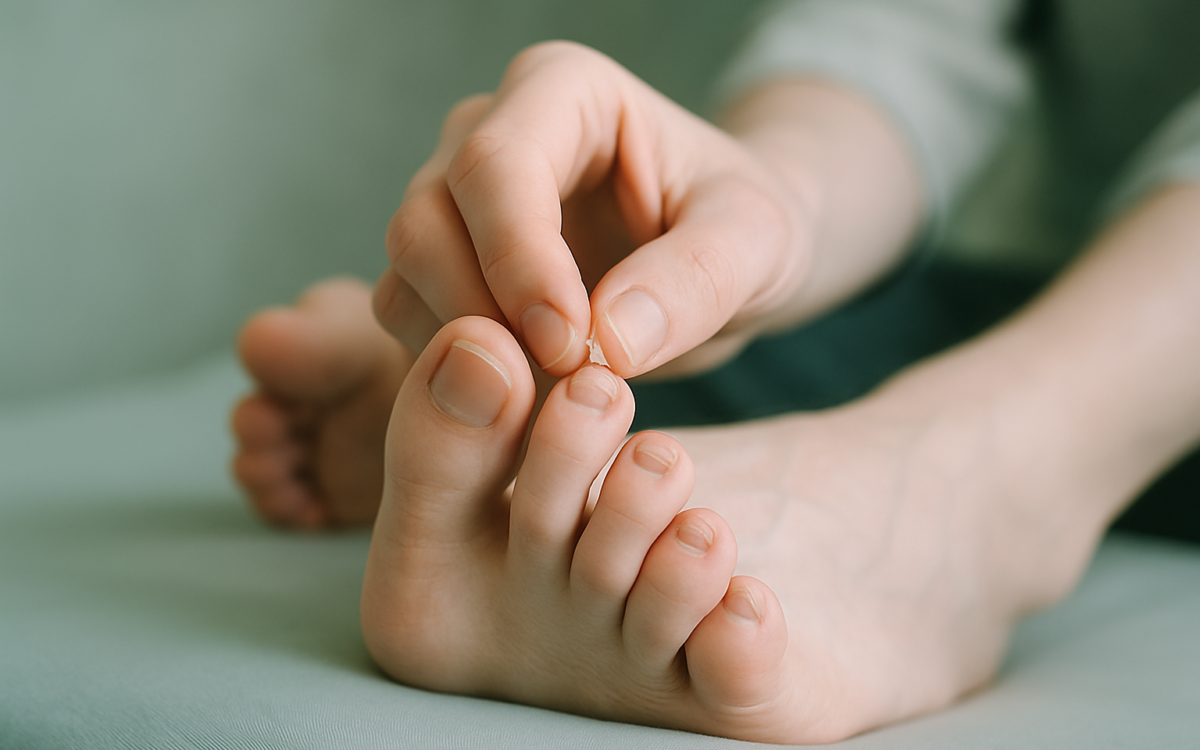
Have you ever noticed a curious substance gathering between your toes? You’re not alone! What many refer to as “toe jam” is a combination of skin cells, sweat, and grime that can accumulate in the crevices of your toes. While it might seem like a humorous topic, understanding toe jam is important for maintaining good foot hygiene and overall health.
What Is Toe Jam?
Toe jam, a term most commonly used in casual conversation, refers to the build-up of organic material found in the spaces between toes. This may include:
- Dead skin cells
- Moisture from sweat
- Introducing bacteria and fungi
- Particles from socks and footwear
While toe jam isn’t necessarily harmful, it can lead to unpleasant odors and may increase the risk of infections, particularly in those who have compromised immune systems or existing foot conditions.
Causes of Toe Jam
Understanding what causes toe jam can help you prevent it. Common factors include:
- Poor Foot Hygiene: Not washing your feet regularly can lead to a build-up of dirt and bacteria.
- Sweat: Feet have sweat glands that can produce moisture, creating an environment for bacteria and fungi.
- Footwear Choices: Wearing tight shoes or non-breathable socks can trap moisture and heat, making it easier for toe jam to form.
- Skin Conditions: Conditions such as athlete’s foot or eczema can contribute to the accumulation of debris between the toes.
Signs and Symptoms
Aside from the visible presence of toe jam, individuals may experience:
- Unpleasant odors
- Itching or irritation between the toes
- Redness or inflammation in severe cases
These symptoms are often mild but can worsen if the area becomes infected. If you notice any persistent discomfort, it may be time to review your foot hygiene practices.
Prevention Tips
Preventing toe jam is quite simple and involves a few straightforward practices:
- Regular Foot Washing: Clean your feet daily with soap and water. Pay extra attention to the spaces between your toes.
- Dry Thoroughly: After washing, ensure that your feet, especially between the toes, are completely dry. Moisture can promote fungal growth.
- Sock and Shoe Choices: Opt for breathable materials and ensure your footwear fits properly. Change socks regularly, especially if they become damp.
- Moisture-Absorbing Powders: Consider using foot powders that help absorb moisture, reducing the likelihood of fungal infections.
When Toe Jam Becomes a Concern
While toe jam is generally harmless, there are cases when it can signal a more serious issue. If you experience any of the following, consider seeing a doctor:
- Persistent itching or pain
- Signs of infection, such as swelling, redness, or heat in the toes
- Persistent odor even after washing
- Changes in skin color or texture
Consulting a healthcare provider can provide insights and treatment options, especially if you are prone to foot conditions. The CDC and the NIH offer excellent resources about foot health and hygiene practices.
Conclusion
Toe jam might seem like a trivial issue, but it’s essential to recognize it as part of our body’s natural processes and a reminder to prioritize foot health. By maintaining proper hygiene and being aware of signs that may require attention, you can keep your feet clean, healthy, and happy. Remember, your feet support you every day, so treating them well is vital for overall wellness.
