
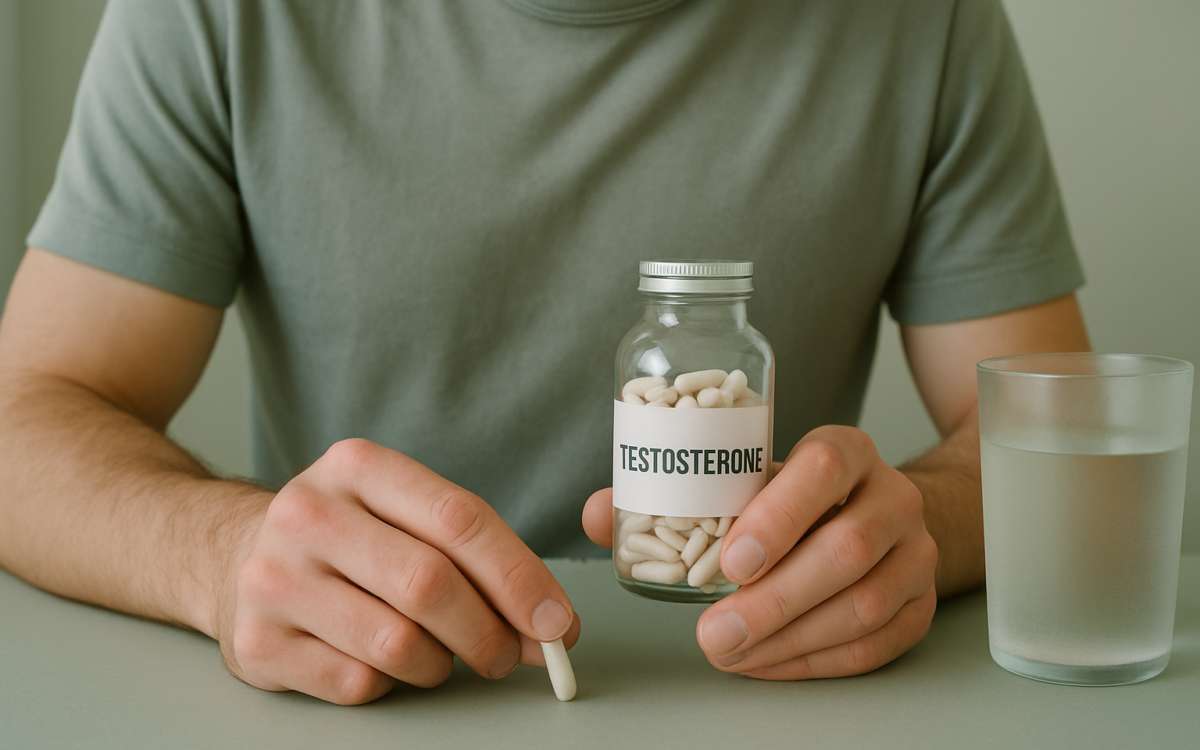
For many men, the word testosterone might bring to mind enhanced strength, vitality, and overall well-being. However, low testosterone levels, or hypogonadism, can lead to fatigue, reduced sex drive, and even mood changes. Testosterone supplements have gained popularity as a way to boost levels of this vital hormone. But are they right for you? Let’s delve deeper into testosterone supplements, how they work, and what you should know before considering them.
What Are Testosterone Supplements?
Testosterone supplements are products designed to increase the levels of testosterone in your body. They can come in many forms, including:
- Injectable testosterone
- Patches
- Gels
- Pellets implanted under the skin
- Oral tablets
These supplements aim to alleviate symptoms associated with low testosterone. It’s important to note that testosterone therapy is a medically supervised treatment and should not be undertaken lightly.
Who Might Consider Testosterone Supplements?
Men with symptoms of low testosterone may consider supplementation. Common signs include:
- Increased fatigue
- Decreased libido
- Loss of muscle mass
- Depression or mood changes
- Difficulty concentrating
Before starting any treatment, a proper diagnosis from a healthcare provider is essential. They can determine whether your symptoms are indeed due to low testosterone levels or if they stem from other conditions.
The Benefits of Testosterone Supplements
Several studies have suggested potential benefits of testosterone therapy, which can include:
- Increased energy and motivation
- Enhanced libido and sexual function
- Improved mood and cognitive function
- Increased muscle mass and strength
While many men report positive outcomes, response to treatment varies. The benefits can also depend on age, baseline testosterone levels, and overall health.
What to Know About Potential Risks
While testosterone supplements can be beneficial, they aren’t without risks. Some potential side effects include:
- Acne and oily skin
- Sleep apnea
- Increased red blood cell count, which can lead to clotting issues
- Prostate enlargement
- Increased risk of heart-related issues
As with any treatment, weighing the benefits against the possible risks is crucial. Regular monitoring by a healthcare professional can help manage these concerns.
Alternatives to Hormonal Supplements
Not everyone with low testosterone levels will require hormone therapy. Some might find improvement in their testosterone levels through lifestyle changes such as:
- Regular exercise, particularly strength training
- A balanced diet rich in whole foods and healthy fats
- Sufficient sleep and stress management techniques
- Avoidance of substance abuse
Some natural supplements, like zinc and vitamin D, are also believed to support testosterone production. While these may not be as effective as direct hormone therapy, they can assist overall health. For individuals considering international treatment options, services like international patient services may offer access to specialized care.
How to Safely Approach Testosterone Therapy
If you are considering testosterone supplements, here are steps to safely navigate the process:
- Consult your doctor: Discuss your symptoms and get tested to determine your testosterone levels.
- Understand your options: Different forms of testosterone supplements suit various needs and preferences.
- Follow prescribed dosages: It’s essential to adhere strictly to the prescribed treatment plan to ensure your safety.
- Regular monitoring: Frequent check-ups can help catch any side effects or complications early.
Engaging with your healthcare provider at every step of the process ensures a safer approach to managing your hormonal health.
When to See a Doctor
If you experience symptoms of low testosterone or have concerns about your hormonal health, it’s important to consult with a healthcare professional. Not only can they provide a proper diagnosis, but they can also guide you through treatment options that best fit your needs.
In conclusion, testosterone supplements can be a helpful resource for men struggling with low testosterone levels, but they come with risks and responsibilities. A thorough understanding of your body’s needs, along with professional medical guidance, can help you navigate the possibilities and improve your well-being.
