
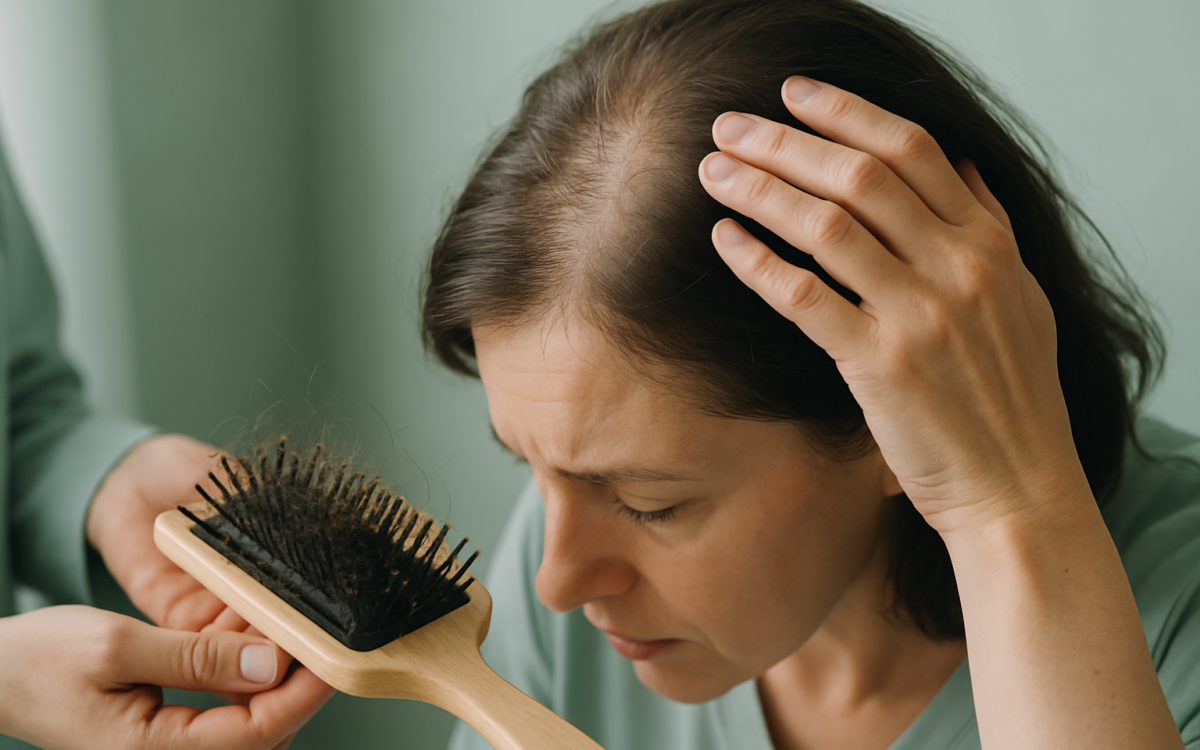
Hair loss and hair thinning can be distressing for many individuals, particularly men. It’s quite common and can occur due to various reasons, ranging from genetics to lifestyle factors. Understanding what you’re experiencing is the first step to finding a solution.
What is Hair Loss?
Hair loss refers to the condition where an individual experiences a significant reduction in the number of hairs on the scalp or body. This process can happen gradually over time or appear suddenly. The medical term for hair loss is alopecia, which can encompass several different types, each with its causes.
Types of Hair Loss
Different types of hair loss include:
- Androgenetic Alopecia: Also known as male or female pattern baldness, this type is hereditary and is the most common cause of hair loss.
- Alopecia Areata: An autoimmune condition where the body attacks hair follicles, leading to patchy hair loss.
- Telogen Effluvium: This type occurs after stress, trauma, or illness, causing excessive shedding of hair.
- Traction Alopecia: Hair loss caused by tight hairstyles that pull on the hair shafts over time.
Common Causes of Hair Thinning
Understanding the underlying causes of hair thinning can help in managing it effectively. Here are some prominent reasons:
- Genetics: Family history plays a significant role in hair loss. If your parents experienced thinning hair, you might also be at risk.
- Hormonal Changes: Changes due to aging, pregnancy, or medical conditions like thyroid diseases can impact hair growth.
- Nutritional Deficiencies: Lack of essential vitamins and minerals, such as iron, vitamin D, and protein, can lead to hair thinning.
- Stress: High-stress levels can lead to telogen effluvium, where more hairs than usual enter the shedding phase.
- Medical Conditions: Certain conditions, such as scalp infections and autoimmune diseases, can also cause hair loss.
How Lifestyle Choices Affect Hair Health
Your daily habits significantly impact your hair. Here are some lifestyle choices that can contribute to hair loss:
- Poor Diet: Inadequate nutrition can weaken hair, making it more prone to breakage.
- Smoking: Research suggests that smoking may be linked to increased hair loss.
- Heat and Chemicals: Frequent use of heat styling tools and harsh chemical treatments can damage hair, leading to thinning.
- Lack of Sleep: Poor sleep quality may also interfere with hair growth due to increased stress levels.
Potential Solutions for Hair Loss and Thinning
While hair loss can be challenging, there are various approaches to managing the condition:
- Healthy Diet: Incorporate a balanced diet rich in vitamins and minerals, particularly iron and protein.
- Stress Management: Practices such as yoga, meditation, or regular exercise can help reduce stress and promote healthier hair.
- Scalp Care: Regularly cleansing and nourishing your scalp can stimulate hair follicles.
- Medications: Certain medications, such as minoxidil and finasteride, may help slow hair loss or promote regrowth. Consult your doctor for advice.
- Hair Transplant Surgery: For more severe cases, surgical options such as hair transplants can offer a permanent solution.
When to See a Doctor
If you notice significant hair thinning or hair loss, it’s essential to consult a healthcare professional. Seeking medical advice is particularly crucial if:
- The hair loss is sudden or patchy.
- You have other symptoms, such as itching or redness on the scalp.
- You suspect it may be linked to a medical condition or medication.
A healthcare provider will evaluate your situation, possibly order tests, and recommend treatment options tailored to your needs.
Conclusion
Hair loss and thinning is a common issue that can be distressing, but understanding its causes and possible solutions is vital. Remember, everyone’s experience is unique, and what works for one person may not work for another. Stay informed, consult professionals when necessary, and take steps to care for your hair and overall health.
For more information, visit credible sources like the NIH, the Mayo Clinic, or the World Health Organization.
