
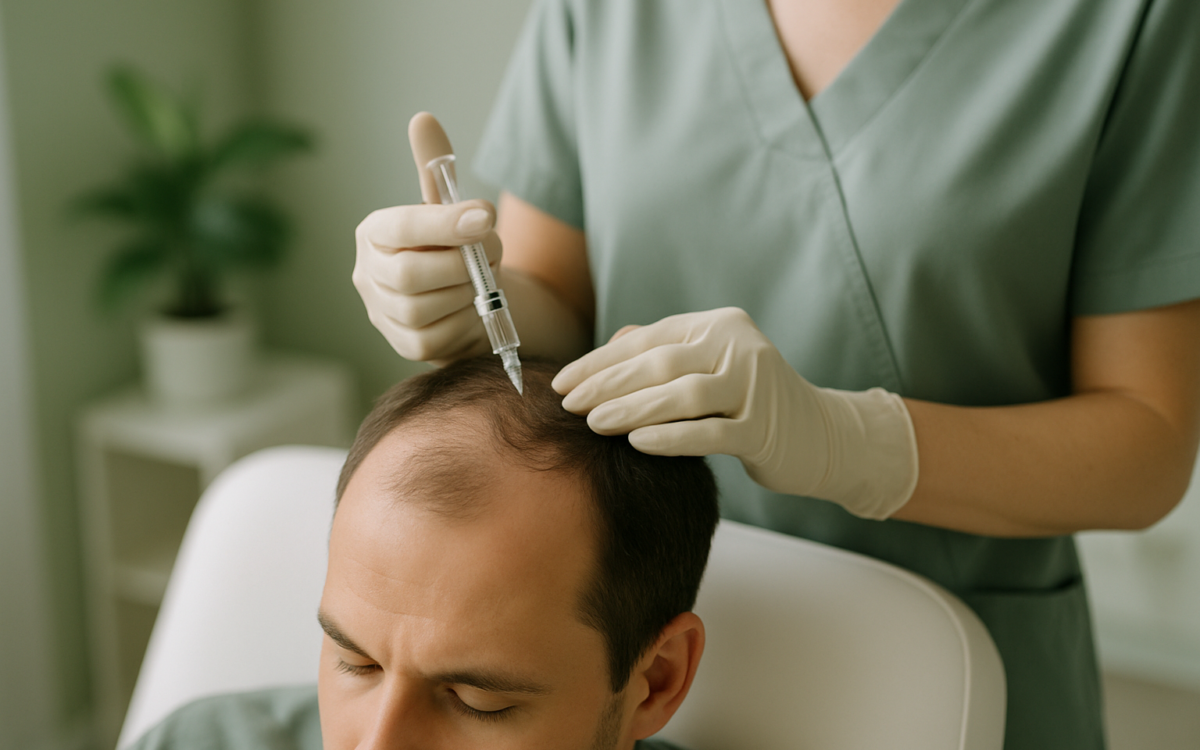
Hair loss can be a challenging experience for many people, affecting self-esteem and overall well-being. With advancements in medical science, various hair loss therapies have emerged to address this concern. In this article, we’ll explore different therapies, their efficacy, and what you should know when considering treatment.
Understanding the Causes of Hair Loss
Before diving into therapies, it’s crucial to understand what causes hair loss. The most common types include:
- Androgenetic Alopecia: Often referred to as male or female pattern baldness, it affects many individuals due to genetic predisposition.
- Alopecia Areata: This autoimmune condition causes sudden hair loss and can affect any hair-bearing area.
- Telogen Effluvium: Characterized by temporary hair thinning, this condition occurs in response to stress, illness, or hormonal changes.
Identifying the cause of hair loss is essential as it influences the choice of therapy.
Therapies for Hair Loss
Hair loss therapies range widely in their approach and effectiveness. Here are some common options:
Topical Treatments
Topical treatments are applied directly to the scalp and can be effective in promoting hair growth. The most notable ones include:
- Minoxidil: Available over the counter, minoxidil is FDA-approved for both men and women. It promotes hair growth and slows down the balding process. Research suggests that continuous use may yield better results (NIH).
- Finasteride: Though typically taken as a pill, some formulations can be used topically. It works by blocking the hormone responsible for hair loss and is approved for men.
Oral Medications
Oral medications can also play a key role in managing hair loss:
- Finasteride (Propecia): This prescription medication is primarily for men and can help slow hair loss and promote regrowth by inhibiting the production of dihydrotestosterone (DHT).
- Spironolactone: While primarily a diuretic, spironolactone can help women with hormonal imbalances affecting hair growth due to its anti-androgen properties.
Hair Restoration Procedures
For some individuals, particularly those with significant hair loss, surgical options may be more appropriate. The two most common procedures are:
- Follicular Unit Transplantation (FUT): A strip of skin with hair follicles is removed from a part of the scalp and transplanted to the balding area, providing a natural appearance.
- Follicular Unit Extraction (FUE): Individual hair follicles are harvested and transplanted, leaving minimal scarring and a quicker recovery.
These surgical options can be more costly and may require multiple sessions to achieve the desired results.
Alternative and Natural Therapies
In addition to conventional therapies, many individuals explore alternative treatments. While the scientific evidence for their effectiveness varies, some popular options include:
- Essential Oils: Oils like rosemary and peppermint have been touted for promoting hair growth. A few small studies suggested potential benefits, though more research is needed to validate these claims.
- Nutrition and Supplements: A balanced diet rich in vitamins and minerals is essential for hair health. Supplements containing biotin, iron, and zinc may help if you have deficiencies, but consult with a healthcare provider before starting any new supplement regime.
- Laser Therapy: Low-level laser therapy (LLLT) devices are thought to stimulate hair follicles and improve hair density. Some studies indicate potential benefits, but more extensive research is necessary.
Psychological Impact of Hair Loss
The impact of hair loss extends beyond physical appearance. Many individuals experience emotional distress, anxiety, and a decrease in self-esteem. Support from friends, family, or professional counselors can be vital. Joining support groups where individuals share their experiences can provide comfort and practical coping strategies.
When to See a Doctor
If you notice sudden or patchy hair loss, or if hair loss is accompanied by other symptoms like redness, itching, or scaling of the scalp, it’s essential to consult a healthcare provider. These could be signs of an underlying condition that needs treatment. Additionally, discussing your concerns with a professional can help you navigate the various options available and find the therapy best suited for your needs.
Conclusion
Hair loss therapy encompasses a wide range of treatments, from medications to surgical options. Understanding the underlying cause of hair loss is crucial to selecting the most effective therapy. If you’re experiencing hair loss, remember you’re not alone and multiple options are available. Consulting a healthcare provider can guide you toward the most appropriate treatment and support for your journey.
