
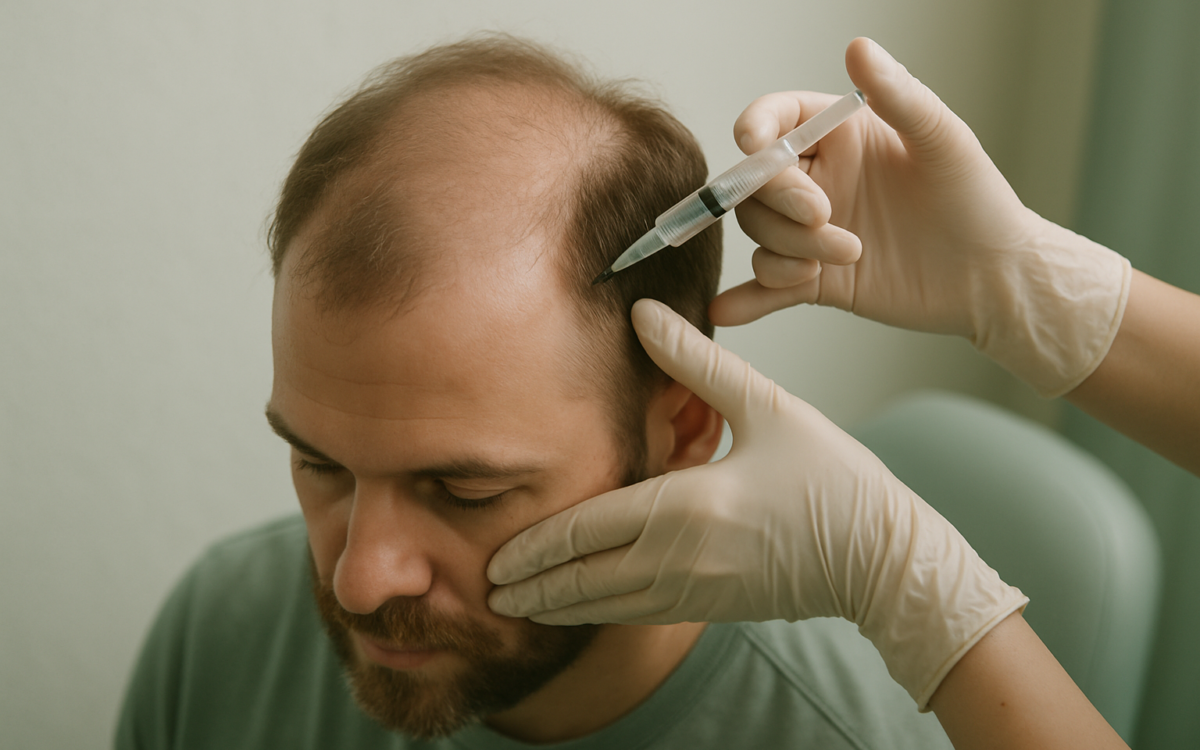
Hair loss can be a distressing experience for many men, whether it’s a gradual thinning or sudden shedding. Understanding the causes and exploring effective treatments for hair regrowth can empower men to make informed choices. This article outlines the various factors that contribute to hair loss and provides insights on potential methods for promoting regrowth.
Common Causes of Hair Loss in Men
Before diving into regrowth strategies, it’s essential to understand what might be causing the hair loss. Several factors can lead to thinning hair or baldness:
- Genetics: Male pattern baldness, also known as androgenetic alopecia, is the most common cause of hair loss in men. This hereditary condition usually begins at the crown or temples and progresses over time.
- Hormonal Changes: Hormones, particularly dihydrotestosterone (DHT), play a significant role in hair loss. Increased levels of DHT can shrink hair follicles, leading to finer or shorter hair until growth stops.
- Medical Conditions: Certain health issues, such as thyroid disorders, alopecia areata, and scalp infections, can also contribute to hair loss. Stress and nutritional deficiencies are additional factors that may influence hair health.
Current Treatments for Hair Regrowth
Fortunately, there are several proven treatments available for men experiencing hair loss. Here are some of the most commonly used methods:
1. Minoxidil
Minoxidil is an over-the-counter topical solution that promotes hair growth in men. Applied directly to the scalp, it can help revitalize shrunken hair follicles and improve blood circulation in the scalp. While effective, results can vary, and it typically takes several months of consistent use to notice visible changes. For more information about Minoxidil, consider checking resources from the National Institutes of Health.
2. Finasteride
Finasteride is an oral prescription medication that works by blocking the formation of DHT, which helps to prevent further hair loss and may promote regrowth. Studies have shown that it can be effective, but it requires a doctor’s prescription and regular follow-up, as there can be side effects.
3. Hair Transplant Surgery
For men with significant hair loss, hair transplant surgery may be a viable option. This procedure involves moving hair follicles from an area of thick growth to balding areas. Results can be quite natural-looking, but it’s essential to consult with a licensed surgeon who specializes in hair restoration.
Natural Remedies and Lifestyle Changes
In addition to medical treatments, some men may seek natural remedies and lifestyle changes to complement hair regrowth efforts:
1. Scalp Massage
Regularly massaging the scalp can improve blood flow to hair follicles, which may stimulate growth. Using essential oils, such as rosemary or peppermint, during the massage might enhance results.
2. Healthy Diet
Nutrition plays a vital role in hair health. Ensure that your diet includes plenty of vitamins and minerals such as Vitamins A, B, C, D, E, zinc, and iron. Foods rich in omega-3 fatty acids, like fish and nuts, can also contribute positively to hair quality.
3. Reduce Stress
High stress levels can exacerbate hair loss. Finding effective stress-relief strategies, such as exercising, practicing meditation, or engaging in hobbies, can be beneficial for overall well-being and may also help with hair health.
When to See a Doctor
If you notice sudden hair loss, or if your hair thinning is accompanied by other symptoms, it may be wise to consult a healthcare professional. A doctor can evaluate your condition and provide tailored recommendations and treatments based on your specific needs. Always engage with a qualified medical practitioner for personalized advice.
Final Thoughts on Hair Regrowth
While hair loss is a common concern among men, it’s important to remember that there are options available for treatment and management. Whether you choose medical interventions, explore natural remedies, or a combination of both, understanding your choices is the first step towards reclaiming your hair health. Don’t hesitate to seek professional guidance to determine the best approach for you.
