
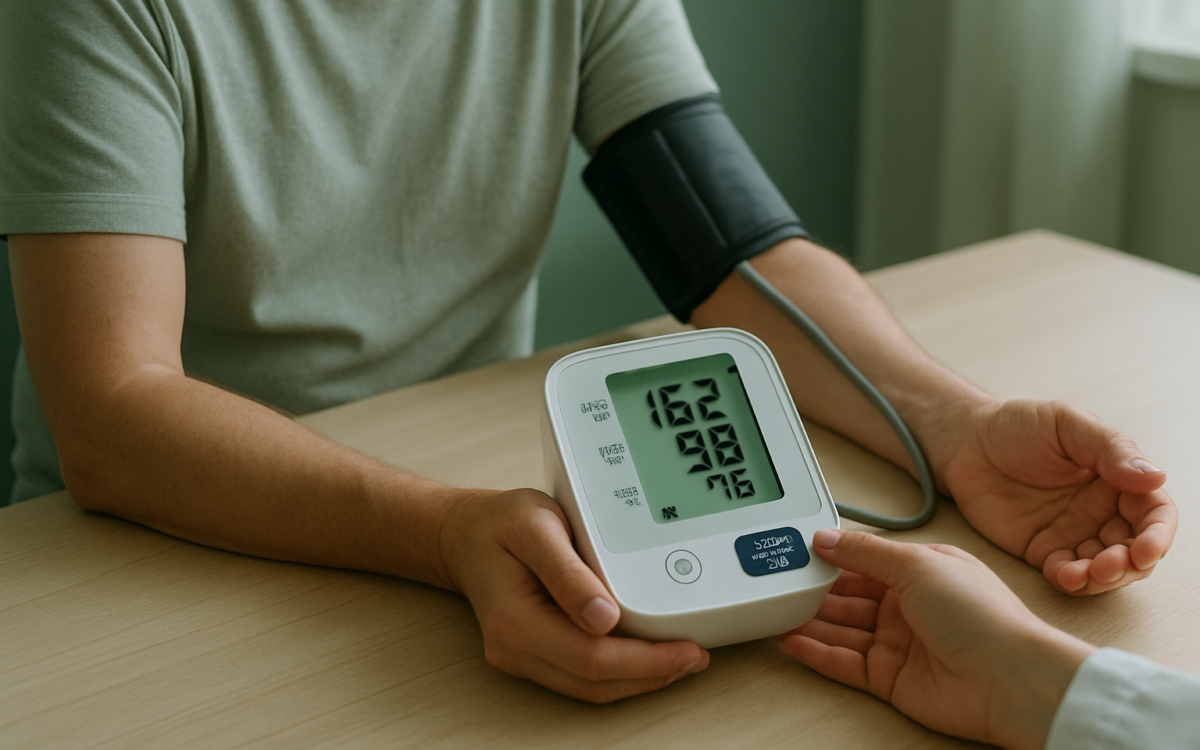
High blood pressure, also known as hypertension, is often called the “silent killer.” Many people may be unaware of their elevated numbers until a health issue arises. Understanding what these numbers mean and how they can affect your overall health is vital.
What Do Blood Pressure Numbers Mean?
Blood pressure is measured using two numbers: systolic and diastolic. The systolic number, the first one, indicates the pressure in your arteries when your heart beats. The diastolic number, the second one, represents the pressure in your arteries when your heart rests between beats.
The unit of measurement is millimeters of mercury (mmHg). For example, a reading of 120/80 mmHg is considered optimal. The American Heart Association categorizes blood pressure readings as follows:
- Normal: Less than 120/80 mmHg
- Elevated: Systolic between 120-129 and diastolic less than 80
- Hypertension Stage 1: Systolic between 130-139 or diastolic between 80-89
- Hypertension Stage 2: Systolic 140 or higher or diastolic 90 or higher
- Hypertensive Crisis: Systolic higher than 180 and/or diastolic higher than 120
Why Are High Blood Pressure Numbers Concerning?
High blood pressure numbers are concerning because they can lead to severe health complications. Over time, high blood pressure can damage your blood vessels and organs, increasing the risk of heart disease, stroke, and kidney damage.
According to the CDC, nearly half of adults in the United States have high blood pressure. Even if you feel fine, having elevated blood pressure can silently affect your body.
Common Causes of High Blood Pressure
Several factors can contribute to high blood pressure numbers:
- Genetics: If hypertension runs in your family, you may be at greater risk.
- Age: Blood pressure tends to rise with age, particularly after 45.
- Diet: A diet high in salt and unhealthy fats can elevate blood pressure.
- Lack of Exercise: A sedentary lifestyle increases the likelihood of developing hypertension.
- Obesity: Carrying excess weight puts added strain on the heart.
- Stress: Chronic stress can have long-term effects on your health.
How to Measure Your Blood Pressure
To accurately measure your blood pressure, you can visit a healthcare professional or use an at-home monitor. Here are steps for using a home blood pressure monitor:
- Rest for at least five minutes before taking the reading.
- Sit in a comfortable chair with your back supported and feet flat on the floor.
- Place the cuff around your upper arm and ensure it fits snugly.
- Follow the device’s instructions to take your reading.
- Record your numbers and repeat the process after a few minutes to ensure accuracy.
Keep in mind that it’s essential to take blood pressure readings at different times to understand what your normal levels are.
Lifestyle Changes to Manage Blood Pressure
In many cases, lifestyle changes can help manage high blood pressure. Consider these tips:
- Healthy Diet: Emphasize fruits, vegetables, whole grains, and lean proteins while reducing salt intake.
- Regular Exercise: Aim for at least 150 minutes of moderate aerobic activity each week.
- Weight Management: Losing weight, if you’re overweight or obese, can significantly lower blood pressure.
- Avoid Tobacco and Limit Alcohol: Both can adversely affect blood pressure.
- Manage Stress: Techniques like mindfulness, yoga, or meditation can help reduce stress levels.
When to See a Doctor
If you have high blood pressure numbers or risk factors, it’s important to consult a healthcare professional. Consider seeing a doctor if:
- Your blood pressure readings stay elevated consistently.
- You experience symptoms such as headaches, dizziness, or shortness of breath.
- You have concerns about your heart health or any family history of hypertension.
It’s vital to work with your doctor to establish a plan tailored to your needs.
Conclusion
Understanding high blood pressure numbers is the first step towards better health. By knowing what your readings mean and implementing lifestyle changes, you can effectively manage your blood pressure and reduce your risk of serious health complications. Always consult your healthcare provider for specific guidance tailored to your situation.
