
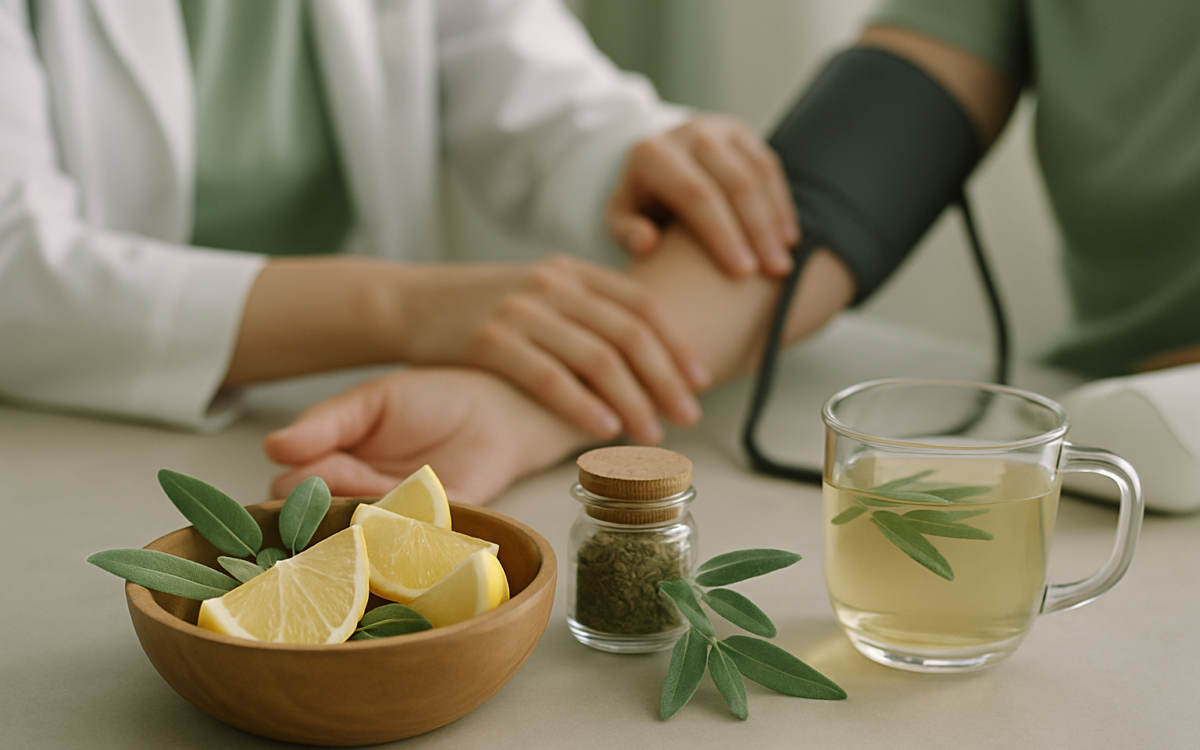
Living with high blood pressure, or hypertension, can be challenging. It often goes unnoticed until it leads to severe health issues like heart disease or stroke. While medication is crucial for many people, some natural remedies may also help manage blood pressure levels. This article explores various natural methods backed by science to support heart health and promote overall well-being.
Understanding High Blood Pressure
High blood pressure occurs when the force of blood against your artery walls is consistently too high. This condition can be influenced by various factors, including genetics, diet, physical activity, and stress. According to the CDC, nearly half of adults in the United States have high blood pressure, yet many are unaware of it.
The Importance of Lifestyle Changes
Before diving into natural remedies, it’s essential to understand that lifestyle changes can significantly impact blood pressure. Small adjustments in daily habits can lead to substantial improvements. Here are some lifestyle changes that may help:
- Healthy Eating: A balanced diet rich in fruits, vegetables, whole grains, and lean proteins can positively influence blood pressure. Consider following the DASH (Dietary Approaches to Stop Hypertension) diet, which emphasizes these food groups.
- Regular Exercise: Engaging in physical activity for at least 150 minutes per week can help lower blood pressure. Activities like walking, jogging, cycling, or swimming can be beneficial.
- Adequate Sleep: Quality sleep is crucial. Aim for 7-9 hours of restful sleep per night, as poor sleep can exacerbate hypertension.
- Weight Management: Maintaining a healthy weight can have a significant effect on blood pressure levels. Even a modest weight loss can be beneficial.
Natural Dietary Remedies
Certain foods contain compounds that can help lower blood pressure. Here are some natural dietary remedies to consider:
- Beetroot: Beetroot is high in nitrates, which can help widen blood vessels. Studies suggest that drinking beet juice may help reduce blood pressure levels (NIH).
- Berries: Berries, particularly blueberries, are rich in flavonoids, which research suggests may help lower blood pressure and improve heart health.
- Fatty Fish: Salmon, mackerel, and sardines are rich in omega-3 fatty acids. Consuming these fish can reduce blood pressure and improve overall cardiovascular health.
- Garlic: Garlic has been known for its health benefits, including potentially lowering blood pressure. Allicin, an active compound in garlic, may help relax blood vessels.
- Dark Chocolate: High-quality dark chocolate in moderation has been shown to improve heart health due to its flavonoid content.
Herbal Remedies and Supplements
Several herbal remedies and supplements have shown promise in managing blood pressure. Always consult your healthcare provider before starting any new supplements:
- Hibiscus: Drinking hibiscus tea has been linked with lower blood pressure levels. A study highlighted in the NIH journal found that hibiscus extract can be effective in reducing hypertension.
- Omega-3 Fatty Acids: Available in fish oil supplements, these may provide cardiovascular benefits. However, consulting with a physician is essential before adding these to your regimen.
- Coenzyme Q10 (CoQ10): Some studies suggest that CoQ10 supplements may lower blood pressure, though more research is needed to confirm these findings.
Stress Reduction Techniques
Stress is a significant contributor to high blood pressure. Incorporating stress reduction techniques into your daily routine can promote relaxation and overall heart health. Here are a few techniques to explore:
- Meditation: Mindfulness meditation encourages relaxation and may reduce blood pressure by promoting calmness.
- Deep Breathing Exercises: Practicing deep breathing can lower stress levels and help decrease blood pressure. Try taking deep breaths for a few minutes each day.
- Yoga: Many studies indicate that yoga can reduce blood pressure levels due to its combination of physical movement, breathing exercises, and meditation.
- Progressive Muscle Relaxation: This involves tightening and relaxing different muscle groups in your body, which can help in reducing tension and stress.
Monitoring and Regular Check-Ups
Keeping track of your blood pressure is important, especially when using natural remedies. Home blood pressure monitors make it easy to check your levels regularly. It’s also essential to schedule regular check-ups with your healthcare provider to ensure your blood pressure remains in a healthy range. They can provide guidance and modify treatments as necessary.
When to See a Doctor
If you experience symptoms such as severe headaches, dizziness, chest pain, or shortness of breath, it’s crucial to seek medical attention promptly. Additionally, if you manage your blood pressure with natural remedies, consult your doctor to ensure your strategy is safe and effective for your individual health needs.
In conclusion, though lifestyle changes and natural remedies may help manage high blood pressure, they are not a substitute for medical advice or treatment. By combining natural methods with regular medical guidance, you can support your heart health effectively and lead a healthier life.
