
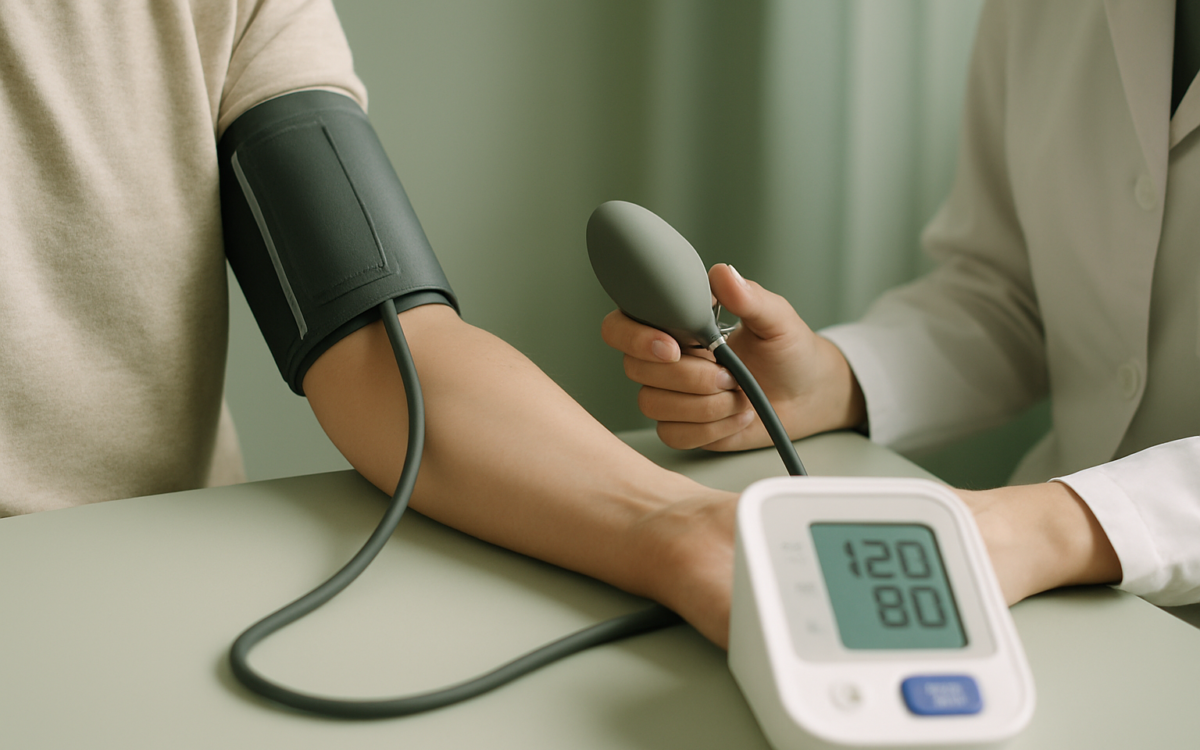
Blood pressure is a critical aspect of our overall health, serving as a key indicator of the condition of our heart and blood vessels. One reading that is often referred to as the ‘gold standard’ for healthy blood pressure is 120/80 mmHg. But what does this mean, and why is it important? Let’s explore the fascinating world of blood pressure, the significance of the 120/80 measurement, and how you can maintain a healthy range.
What is Blood Pressure?
Blood pressure is a measure of the force exerted by circulating blood on the walls of blood vessels, particularly arteries. It is recorded in millimeters of mercury (mmHg) and is expressed with two numbers: the systolic pressure over diastolic pressure.
- Systolic pressure: This is the higher number and measures the pressure in your arteries when your heart beats.
- Diastolic pressure: This is the lower number and measures the pressure in your arteries when your heart rests between beats.
A reading of 120/80 mmHg means that when your heart beats, your blood pressure is 120 mmHg and rests at 80 mmHg when it relaxes. This measurement is widely accepted as the standard for normal blood pressure.
Why is 120/80 Considered Ideal?
The 120/80 reading is significant because it is associated with a lower risk of cardiovascular diseases, such as heart attacks and strokes. According to the Centers for Disease Control and Prevention (CDC), managing your blood pressure within this range can promote overall health and well-being. Blood pressure that is consistently higher can lead to serious health complications, making it crucial to keep it at or near the normal range.
What Happens if Your Blood Pressure is Above or Below Normal?
High Blood Pressure (Hypertension)
Hypertension, or high blood pressure, is diagnosed when readings consistently exceed 130/80 mmHg. This condition is often asymptomatic, which means individuals may not be aware of their elevated blood pressure until significant damage has occurred in the body. Long-term hypertension increases the risk of serious health issues like:
- Heart disease
- Kidney damage
- Vision loss
- Stroke
Low Blood Pressure (Hypotension)
On the other end of the scale, low blood pressure, or hypotension, occurs when readings fall below 90/60 mmHg. While it can be less common, hypotension can also lead to health issues, including fainting, dizziness, and shock in severe cases. It’s essential to recognize the signs, as both high and low blood pressure can pose serious health risks.
How to Achieve and Maintain Normal Blood Pressure
Maintaining a blood pressure of 120/80 mmHg is achievable through lifestyle choices and preventive measures. Here are some tips:
Balanced Diet
Eating a diet rich in fruits, vegetables, whole grains, and lean proteins can significantly impact blood pressure. Foods high in potassium, such as bananas and spinach, can help counteract the effects of sodium and may assist in lowering blood pressure.
Regular Physical Activity
Engaging in regular physical activity can strengthen your heart, improve blood circulation, and help maintain normal blood pressure levels. The American Heart Association recommends at least 150 minutes of moderate aerobic exercise each week.
Stress Management
Chronic stress can lead to elevated blood pressure. Techniques such as yoga, meditation, and deep-breathing exercises can help mitigate stress, contributing to better heart health.
Avoiding Tobacco and Limiting Alcohol
Both tobacco use and excessive alcohol consumption can raise blood pressure. Quitting smoking and limiting alcohol intake can positively affect your blood pressure reading.
Consult with Medical Professionals
For individuals with existing health conditions or concerns about blood pressure, it’s important to consult a healthcare professional. They can offer personalized strategies and treatment options. For those looking at an international treatment perspective, resources such as acibademinternational.com provide information on advanced healthcare options abroad.
When to See a Doctor
If you notice any symptoms associated with high or low blood pressure, such as severe headaches, dizziness, or fatigue, it’s important to seek medical attention. Regular monitoring of blood pressure is also advisable, especially if you have risk factors for cardiovascular issues.
Conclusion
Understanding what a normal blood pressure reading of 120/80 means can empower you to take charge of your health. By adopting healthy lifestyle habits and remaining vigilant about your blood pressure, you can help ensure that you stay within this ideal range, reducing your risk of various health complications. Always remember to consult a healthcare provider for tailored advice and monitoring.
