
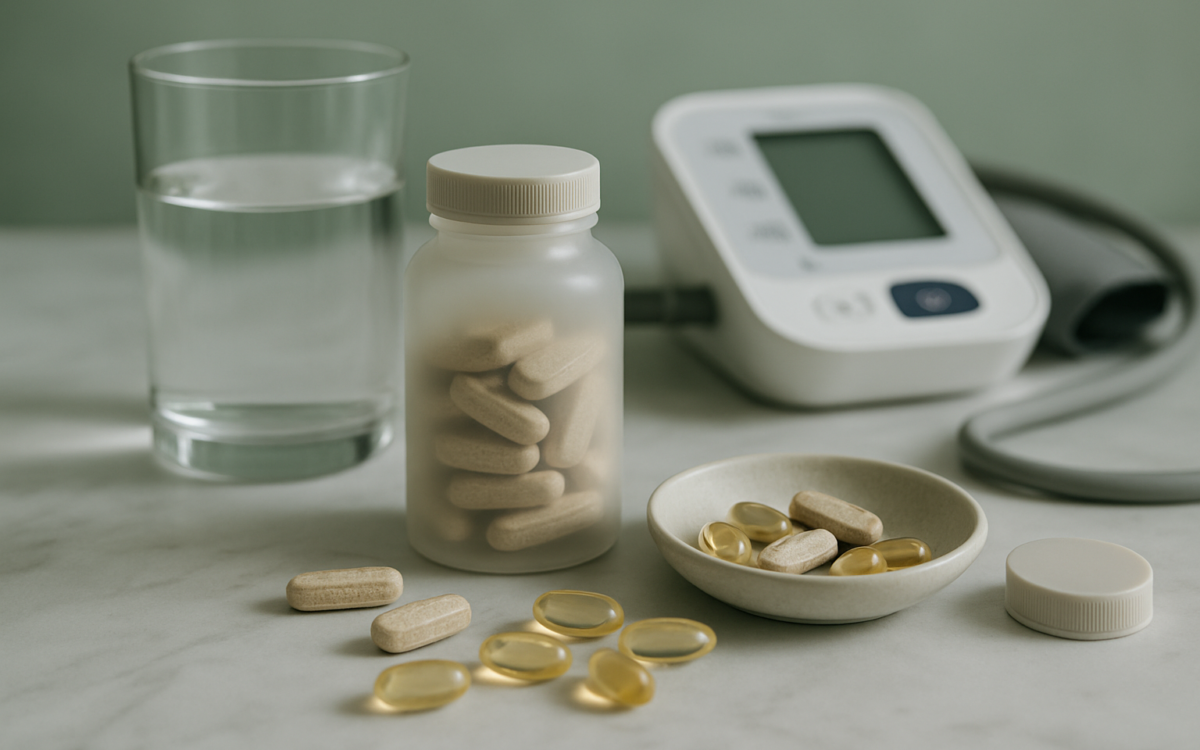
High blood pressure, or hypertension, is often dubbed the “silent killer” due to its lack of symptoms. Millions of people are living with this condition, putting them at greater risk for heart disease, stroke, and kidney problems. While lifestyle changes such as diet and exercise play a vital role in managing blood pressure, many individuals also turn to supplements for added support. This article explores various natural supplements that may help reduce blood pressure while emphasizing the importance of consulting with a healthcare provider.
Understanding Blood Pressure
Blood pressure is the force exerted by circulating blood against the walls of blood vessels. It’s measured in millimeters of mercury (mmHg) and consists of two figures: systolic and diastolic. Systolic pressure (the top number) measures the pressure in blood vessels when the heart beats, while diastolic pressure (the bottom number) measures it when the heart rests between beats. According to the CDC, a normal blood pressure reading is generally around 120/80 mmHg, while anything above 130/80 mmHg is classified as hypertension.
The Role of Supplements
While prescription medications can effectively manage high blood pressure, some individuals look for natural supplements as complementary options. It’s essential to note that supplements shouldn’t replace conventional treatments but can support overall health and well-being when incorporated into a balanced lifestyle.
Key Supplements to Consider
1. Omega-3 Fatty Acids
Omega-3 fatty acids, found in fish oil, can have beneficial effects on heart health. Research suggests that they may help lower blood pressure and reduce inflammation. A study published in the National Institutes of Health journal showed that regular omega-3 intake could lead to small but statistically significant reductions in blood pressure.
2. Magnesium
Magnesium is an essential mineral that plays a vital role in many body functions, including heart health. Low levels of magnesium have been associated with high blood pressure. According to a meta-analysis in the journal Circulation, magnesium supplementation may lead to modest reductions in both systolic and diastolic blood pressure in hypertensive individuals.
3. Coenzyme Q10
Coenzyme Q10 (CoQ10) is a naturally occurring antioxidant in the body. Research indicates that CoQ10 supplementation may help lower blood pressure. A review published in The American Journal of Clinical Nutrition found that CoQ10 significantly reduced systolic blood pressure among participants in various studies.
4. Garlic Extract
Garlic has been long celebrated for its health benefits, and research shows it may help lower blood pressure as well. Studies indicate that aged garlic extract can reduce blood pressure levels in people with hypertension. An analysis in the journal Hypertension highlights how garlic supplements may lead to reductions in blood pressure comparable to those achieved with some medications.
5. Potassium
Increasing potassium intake can help counterbalance sodium’s effects and may lower blood pressure. Potassium-rich foods like bananas, oranges, and potatoes are recommended, but supplementation is also available. Consult with a healthcare provider before starting potassium supplements, especially if you have kidney issues.
Important Considerations
While supplements can be beneficial, it’s essential to remember that they are not a cure-all. Here are a few key points to consider:
- Consult Your Doctor: Always discuss any supplements you wish to take with your healthcare provider, particularly if you are taking other medications or have existing health conditions.
- Quality Matters: Choose high-quality supplements from reputable brands to ensure safety and efficacy.
- Focus on a Balanced Diet: Supplements should complement a healthy diet rich in fruits, vegetables, whole grains, and lean proteins.
When to See a Doctor
If you have consistently high blood pressure or experience symptoms such as headaches, vision changes, or chest pain, it’s crucial to seek medical attention. A healthcare provider can recommend the best treatment plan tailored to your needs and may suggest appropriate supplements as part of your overall strategy for managing blood pressure.
Conclusion
Managing blood pressure is a critical aspect of maintaining heart health. Alongside dietary and lifestyle changes, some supplements may offer additional support. Omega-3 fatty acids, magnesium, CoQ10, garlic extract, and potassium are among those with the potential to aid in blood pressure control. Always remember to work with a healthcare professional when incorporating new supplements into your routine to ensure they fit your individual health needs.
