
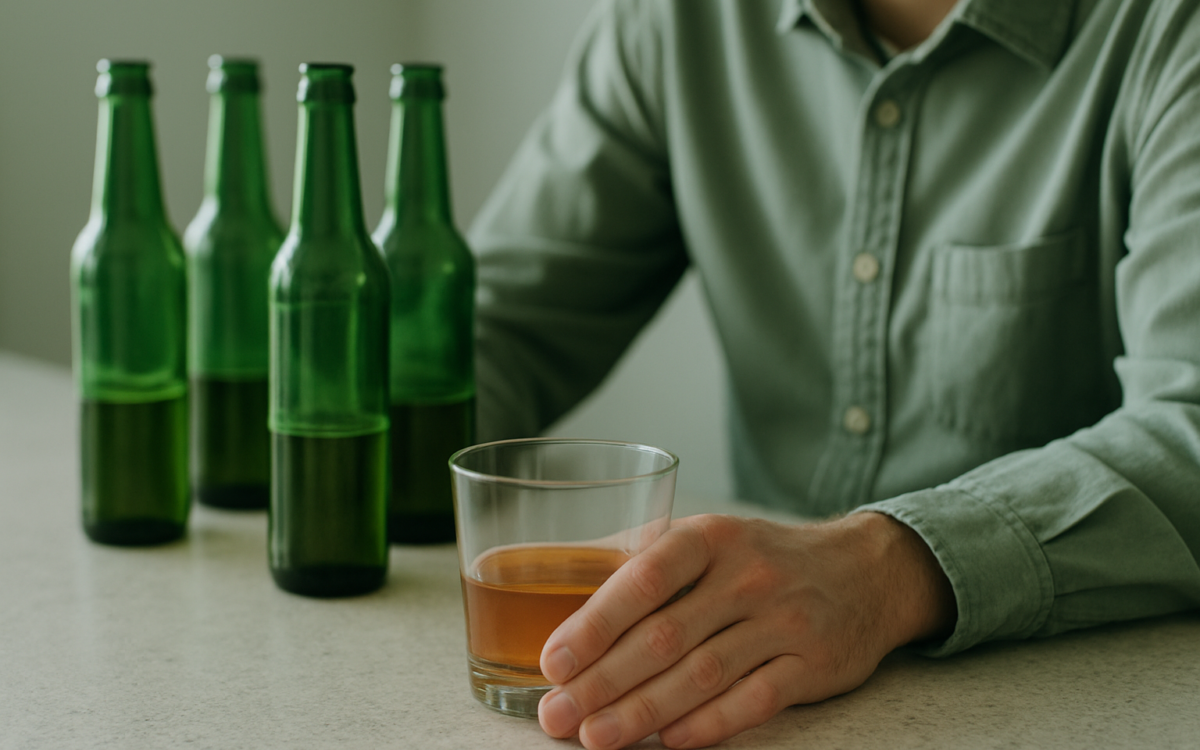
Binge drinking is a term that often comes up in conversations about alcohol consumption, particularly among young adults. But what does it actually mean? Binge drinking is defined as consuming a large amount of alcohol in a short period, typically five or more drinks in two hours for men and four or more drinks for women. This pattern of drinking can have serious health implications, both in the short and long term. In this article, we will delve into binge drinking, its effects on health, and when it may be time to seek help.
The scale of the problem
Binge drinking is a widespread issue in the United States and around the world. According to the National Institute on Alcohol Abuse and Alcoholism (NIAAA), about 1 in 6 adults in the U.S. engage in binge drinking. The reasons behind this behavior can vary, including social pressures, stress relief, or simply the desire to enjoy a night out. However, understanding the seriousness of binge drinking is crucial as the impact can reach far beyond just an evening of fun.
The health risks of binge drinking
Engaging in binge drinking can lead to a number of immediate health concerns:
- Accidents and injuries: The impairment caused by excessive alcohol can result in accidents, including falls, drownings, and crashes.
- Alcohol poisoning: A severe consequence of binge drinking, alcohol poisoning can be fatal and requires immediate medical attention.
- Behavioral changes: Increased aggression, risky sexual behavior, and poor decision-making can stem from heightened alcohol consumption.
In the long term, binge drinking can contribute to more serious health conditions, including:
- Alcohol dependence: Regular binge drinking increases the risk of developing an alcohol use disorder.
- Liver damage: Chronic binge drinking can lead to fatty liver, hepatitis, and cirrhosis.
- Mental health issues: There is a strong correlation between binge drinking and mental health disorders such as depression and anxiety.
Signs you’re binge drinking
Identifying binge drinking can sometimes be challenging, especially if it becomes part of a person’s routine. Here are some signs that may indicate problematic drinking patterns:
- Drinking alone or at unusual times.
- Feeling a strong urge to drink or inability to stop once you start.
- Experiencing blackouts or memory lapses following nights of heavy drinking.
- Neglecting responsibilities or personal relationships due to drinking.
If you recognize these signs in yourself or someone you know, it might be time to reflect on the drinking habits and the associated risks.
Coping strategies and healthier alternatives
For those looking to make a change, there are several strategies that can help manage drinking habits:
- Set limits: Determine a safe amount of alcohol to consume on a night out and stick to it.
- Choose non-alcoholic options: Opt for non-alcoholic beverages or low-alcohol alternatives.
- Social support: Surround yourself with friends or family who respect your decision to drink less and can encourage healthier choices.
- Engage in enjoyable activities: Instead of focusing on drinking as a primary source of entertainment, explore hobbies or interests that don’t revolve around alcohol.
Taking proactive steps can lead to healthier habits and a more balanced lifestyle.
When to see a doctor
Recognizing that binge drinking may be an issue is the first step toward seeking help. If alcohol has begun to disrupt your life or you show signs of dependence, it’s important to consult with a healthcare provider. Symptoms that warrant professional attention include:
- Increased tolerance to alcohol and withdrawal symptoms when not drinking.
- Continued drinking despite negative consequences, such as health problems or relationship issues.
- Feeling unable to control your drinking habits.
Your doctor can guide you through counseling options and treatment plans that suit your individual needs.
Conclusion
Binge drinking is more than just a party trend; it can have lasting effects on physical and mental health. Awareness and education about the risks involved in binge drinking are essential for making healthier choices. If you or someone you know is struggling with their drinking habits, don’t hesitate to seek help. Recovery is possible, and support is available.
