
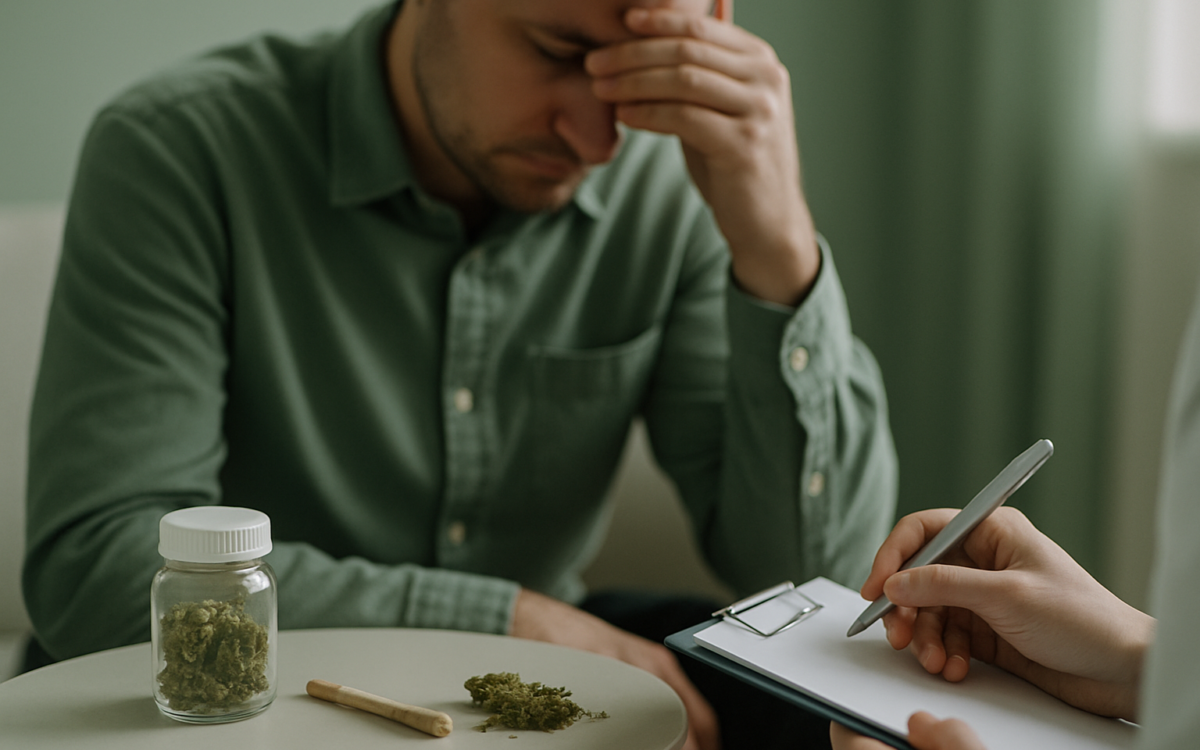
Cannabis, often considered a casually used substance, is now being viewed through a more nuanced lens. While many people use marijuana recreationally without issues, some individuals develop a condition known as cannabis use disorder (CUD). Understanding this disorder is crucial, as it can significantly impact one’s life and relationships.
What is Cannabis Use Disorder?
Cannabis use disorder is characterized by a compulsive pattern of cannabis use that leads to distress or impairment. The Diagnostic and Statistical Manual of Mental Disorders (DSM-5) outlines specific criteria for diagnosis, including:
- Using cannabis in larger amounts or for longer than intended.
- Wanting to cut down but being unable to do so.
- Spending a significant amount of time obtaining, using, or recovering from cannabis.
- Experiencing cravings for cannabis.
- Continuing to use cannabis despite negative impacts on daily life.
According to the National Institutes of Health, about 9% of those who use cannabis will develop an addiction, and this percentage jumps to about 17% for those who start using in their teens.
Signs and Symptoms
Recognizing the signs of cannabis use disorder can be the first step toward getting help. Common signs include:
- Frequent feelings of anxiety or depression.
- Neglecting responsibilities at work, school, or home.
- Withdrawal symptoms when not using cannabis, such as irritability, insomnia, or loss of appetite.
- Using cannabis in situations where it is dangerous, like while driving.
- Continuing use despite problems with relationships or social interactions.
If you or someone you know exhibits these behaviors consistently, it might be time to consider seeking help.
Why Does Cannabis Use Disorder Happen?
Cannabis use disorder can develop due to a combination of factors, including:
- Genetic factors: Some individuals may have a genetic predisposition that makes them more susceptible to addiction.
- Environmental factors: Growing up in an environment where cannabis use is normalized can increase the likelihood of developing CUD.
- Mental health conditions: Individuals with anxiety, depression, or other mental health issues may use cannabis as a coping mechanism, leading to the potential for disorder.
Understanding the root causes can help individuals and healthcare providers create effective treatment plans.
Treatment and Recovery Strategies
Fortunately, recovery from cannabis use disorder is possible. Treatment can vary based on individual needs, but common approaches include:
- Behavioral therapy: Cognitive-behavioral therapy (CBT) is often effective in helping individuals recognize the triggers that lead to cannabis use and developing healthier coping mechanisms.
- Support groups: Joining a group like Marijuana Anonymous can provide community support and shared experiences that foster recovery.
- Counseling: Individual counseling can aid in addressing underlying mental health problems and developing strategies for a healthy lifestyle.
It’s important for individuals seeking help to consult with healthcare professionals who can guide them through their options.
Impact on Mental Health
Cannabis use disorder can have significant effects on mental health. Research shows that those with CUD often experience increased levels of anxiety, depression, and other psychiatric disorders. According to the World Health Organization, mental health is intertwined with substance use, and addressing both can lead to better outcomes.
Withdrawal symptoms from cannabis can also exacerbate these issues, making it essential to manage both cannabis use and any pre-existing mental health conditions during recovery.
When to See a Doctor
If you suspect you or someone you know may have cannabis use disorder, it is essential to consult a healthcare professional. Early intervention can make a significant difference. Signs that it’s time to seek help include:
- Ongoing struggles with cannabis use despite attempts to quit.
- Negative impacts on daily life and responsibilities.
- Feelings of shame or guilt related to cannabis use.
- Experiencing withdrawal symptoms when not using cannabis.
Seeking help can be the first step toward healing and recovery.
Moving Forward
Understanding cannabis use disorder is crucial in addressing its challenges. Recognizing the signs, knowing the risks, and seeking help are vital steps in the recovery process. With support, individuals can reclaim their lives and establish healthier patterns.
For those affected, remember: you are not alone, and help is available.
