
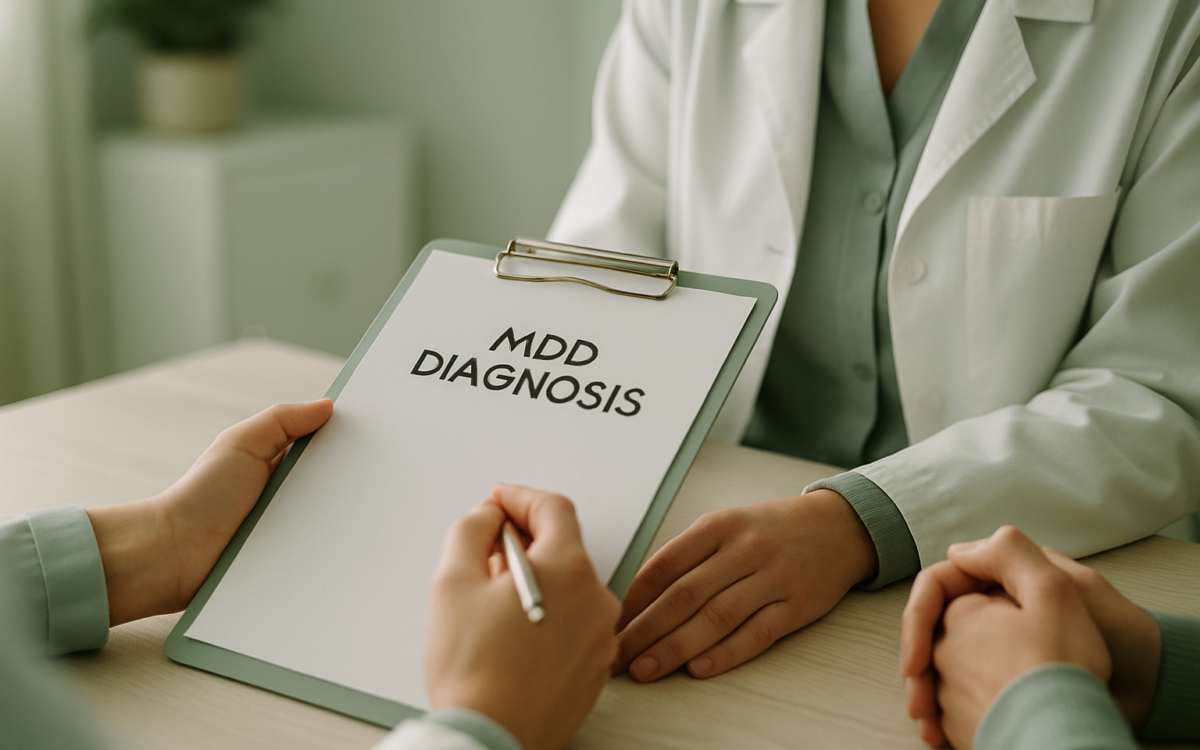
Major Depressive Disorder (MDD) is a significant mental health condition affecting millions of people worldwide. The diagnostic process for MDD can be complicated, but understanding it helps individuals seek the right treatment and support. This article explores how MDD is diagnosed, the symptoms to look out for, and the pathways to receiving effective care.
What is Major Depressive Disorder?
Major Depressive Disorder is more than just feeling sad or going through a rough patch. It is a severe mood disorder characterized by persistent feelings of sadness, hopelessness, and a lack of interest or pleasure in activities. These symptoms can interfere with daily life, affecting work, social interactions, and even physical health.
Recognizing the Symptoms
Understanding the symptoms of MDD is a crucial first step in the diagnosis. According to the National Institute of Mental Health, symptoms include:
- Feeling sad, empty, or hopeless
- Loss of interest in activities once enjoyed
- Changes in appetite or weight
- Sleep disturbances, such as insomnia or sleeping too much
- Fatigue or loss of energy
- Difficulty concentrating or making decisions
- Thoughts of death or suicide
For a diagnosis, these symptoms typically need to persist for at least two weeks. It is essential to acknowledge that everyone experiences sadness differently, but if these feelings are overwhelming and persistent, it may be time to consult a health care professional.
The Diagnostic Process
Diagnosing MDD typically involves several steps:
1. Clinical Assessment
The first step is a comprehensive clinical assessment. A mental health professional will ask about your symptoms, duration, and how they affect your daily life. Expect to answer questions about your emotional state, medical history, and family history of depression. This information helps the clinician understand the context of your mental health.
2. Psychological Evaluation
In addition to an assessment, a psychological evaluation uses standardized questionnaires and interviews. These tools help gauge the severity of your depression and identify specific areas of concern.
3. Criteria for Diagnosis
The mental health professional will use criteria outlined in the Diagnostic and Statistical Manual of Mental Disorders (DSM-5). This manual provides detailed guidelines to help ensure accurate diagnosis. According to the DSM-5, to be diagnosed with MDD, you must meet specific symptom criteria and have functional impairment.
Collaboration with Primary Care Providers
Often, family doctors or primary care providers play a significant role in diagnosing MDD. They may conduct initial assessments and refer patients to mental health specialists for further evaluation. This collaborative approach ensures a comprehensive understanding of both physical and mental health, which is crucial, as physical conditions can sometimes exasperate depressive symptoms.
Treatment and Care Options
Once diagnosed, the next step is to discuss treatment options. Typically, treatment for MDD includes:
- Psychotherapy: Also known as talk therapy, can help individuals understand their feelings and develop coping strategies.
- Medication: Antidepressants may be prescribed to help manage symptoms.
- Support Groups: Connecting with others facing similar challenges can provide emotional support.
- International Options: For those considering treatment abroad, facilities like Acibadem International offer comprehensive mental health services tailored for international patients, ensuring supportive environments and professional care.
Tailoring treatment to the individual is essential, as responses to therapies can vary widely.
When to See a Doctor
If you or someone you know exhibits symptoms of depression, it is essential to consult a doctor. Early diagnosis can lead to effective treatment, helping to mitigate the impact of MDD on personal and professional life. Seek help if:
- Feelings of sadness persist for more than two weeks
- Daily activities become increasingly difficult
- There are thoughts of self-harm or suicide.
Conclusion
Understanding Major Depressive Disorder and its diagnosis is vital in the journey to mental wellness. Recognizing symptoms, knowing the diagnostic process, and exploring treatment options can empower individuals and their loved ones. If you suspect you or someone you know may be experiencing MDD, do not hesitate to reach out for help.
