
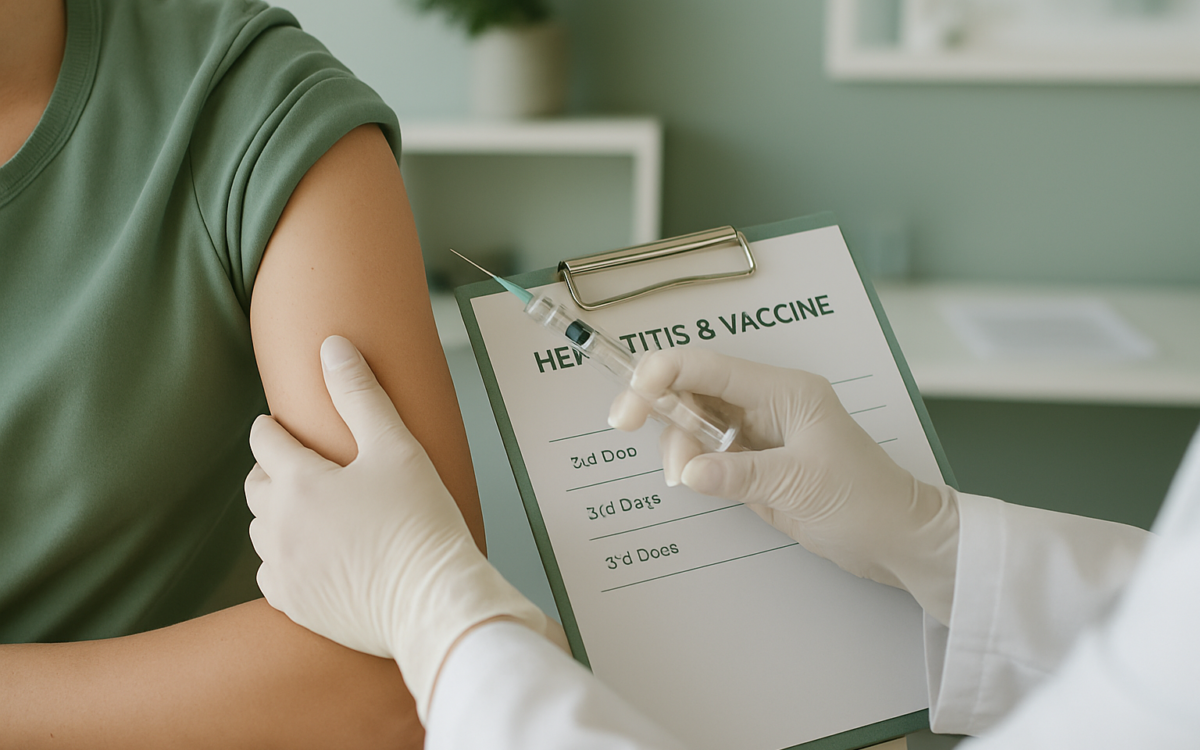
Hepatitis B is a serious liver infection caused by the hepatitis B virus (HBV). It affects millions of people worldwide and can lead to chronic liver disease, liver failure, and even liver cancer. Fortunately, there’s a highly effective vaccine to prevent this infection. Understanding the hepatitis B vaccine schedule for adults is crucial for maintaining optimal health and preventing potential complications.
What Is the Hepatitis B Vaccine?
The hepatitis B vaccine is designed to protect individuals from hepatitis B infection. It is made from a noninfectious part of the virus and stimulates the immune system to recognize and combat the virus should exposure occur. The vaccine is considered safe and effective, helping to reduce the number of new infections significantly around the globe.
Who Should Get Vaccinated?
Vaccination against hepatitis B is recommended for various groups, including:
- All infants and children
- Adults at high risk of infection, such as healthcare workers, individuals with multiple sexual partners, and those who inject drugs
- Travelers to regions where hepatitis B is common
- People with certain medical conditions, such as chronic liver disease
Even if you’re not in a high-risk group, it’s worth discussing vaccination with your healthcare provider, especially if you have upcoming travel plans or new lifestyle changes.
Hepatitis B Vaccine Schedule for Adults
The hepatitis B vaccine is typically administered in a series of three doses:
1. First Dose
The first dose can be given at any time when the individual is identified as a candidate for vaccination.
2. Second Dose
The second dose should be given one month after the first dose.
3. Third Dose
The third and final dose is administered six months after the first dose. This schedule is often referred to as the 0, 1, 6-month schedule.
For instance, if you receive your first dose in January, your second dose should be in February, and your third dose should occur in July. It’s essential to stick to this schedule to ensure maximum effectiveness of the vaccine.
Alternative Schedules and Special Considerations
In some cases, adults may need a faster schedule, especially if they’re traveling or at high risk due to occupational exposure. The accelerated schedule involves taking the vaccine doses at 0, 7, and 21-30 days, followed by a booster at 12 months.
Moreover, there’s a combination vaccine that protects against both hepatitis A and B; this schedule also requires different timing. Always consult your healthcare provider for personalized recommendations.
Importance of Completing the Vaccine Series
Completing the entire series of the hepatitis B vaccine is critical. The three doses work together to build your immunity against the virus. According to the CDC, about 98% of people will develop immunity after receiving all three doses. If you miss a dose, make sure to get back on track as soon as possible to avoid lapses in immunity.
Possible Side Effects
The hepatitis B vaccine is generally well-tolerated. Common mild side effects might include:
- Injection site pain
- Fatigue
- Low-grade fever
- Headaches
Severe side effects are rare, but if you experience symptoms such as difficulty breathing or swelling of the face and throat, seek emergency medical attention immediately. It’s always beneficial to discuss any concerns with your healthcare provider prior to vaccination.
When to See a Doctor
If you have missed a scheduled dose or have questions regarding your hepatitis B vaccination, it’s best to consult your healthcare provider. They can guide you on the appropriate next steps and any specific considerations based on your health history.
Conclusion
Protecting yourself from hepatitis B through vaccination is a vital aspect of maintaining your overall health. Understanding the recommended vaccine schedule for adults ensures that you’re taking proactive steps towards preventing this serious infection. Discuss with your healthcare provider to determine the best vaccination plan for you and enjoy the peace of mind that comes with being protected.
