
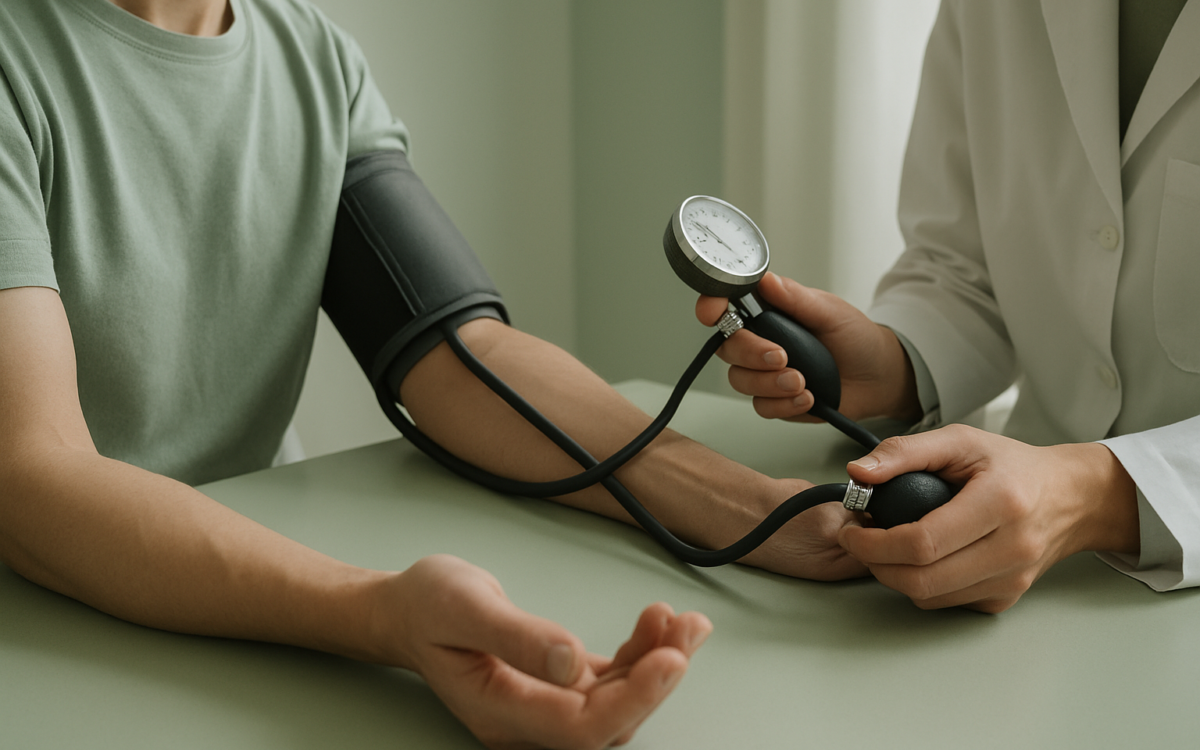
High blood pressure, often referred to as hypertension, affects millions of people worldwide and can lead to serious health problems if left uncontrolled. While medication is a common approach to managing hypertension, many individuals seek natural ways to lower their blood pressure levels. Fortunately, making simple lifestyle changes can significantly impact heart health and overall well-being.
Understand Blood Pressure
Before diving into how to lower blood pressure, it’s important to understand what blood pressure is. Blood pressure measures the force of blood pushing against the walls of your arteries. It’s expressed with two numbers: systolic (the pressure during a heartbeat) and diastolic (the pressure between heartbeats). A normal reading is typically around 120/80 mmHg. Anything higher can indicate elevated blood pressure or hypertension.
Improve Your Diet
Your diet plays a crucial role in managing blood pressure. Consider these dietary adjustments:
- Reduce Sodium Intake: High sodium consumption can raise blood pressure. Aim for less than 2,300 mg of sodium per day. Read labels and opt for fresh foods instead of processed ones, which often contain hidden salts.
- Eat More Fruits and Vegetables: A diet rich in potassium can help balance sodium levels in the body. Foods like bananas, oranges, leafy greens, and sweet potatoes are excellent choices.
- Choose Whole Grains: Switching to whole grains like brown rice, oats, and whole wheat bread can improve overall heart health.
- Limit Alcohol: Excessive alcohol consumption can lead to higher blood pressure. If you drink, do so in moderation—up to one drink a day for women and two for men.
- Cut Back on Caffeine: Some people are more sensitive to caffeine, which can temporarily elevate blood pressure. Monitor your intake and consider reducing it if you notice changes.
Stay Active
Regular physical activity can help lower blood pressure. Aim for at least 150 minutes of moderate aerobic exercise each week. Here are some effective forms of exercise:
- Walking: A simple, low-impact exercise that you can easily incorporate into your daily routine.
- Swimming: This full-body workout is great for those with joint issues and can be incredibly enjoyable.
- Biking: Riding a bike, whether outdoors or on a stationary bike, can elevate your heart rate and strengthen your cardiovascular system.
- Strength Training: Engaging in moderate strength training two days a week can also contribute to lower blood pressure.
Manage Stress
Chronic stress may contribute to high blood pressure. Finding effective ways to manage stress is vital. Here are some techniques:
- Meditation or Mindfulness: Practicing mindfulness can help you become more aware of your thoughts and feelings, reducing stress.
- Deep Breathing Exercises: Spend a few minutes daily engaging in deep, slow breaths to promote relaxation.
- Yoga: This combines physical postures, breathing exercises, and meditation, making it effective for stress management.
- Spending Time in Nature: Simply being outdoors can lift your mood and lower stress levels.
Maintain a Healthy Weight
Being overweight or obese significantly increases your risk of developing high blood pressure. Losing even a small amount of weight can have a positive effect on lowering your numbers. Here’s how to approach weight management:
- Set Realistic Goals: Aim for losing 1-2 pounds per week through a combination of healthy eating and exercise.
- Keep a Food Diary: Tracking what you eat can help you become more aware of portion sizes and food choices.
- Stay Hydrated: Drinking enough water can sometimes help suppress your appetite.
- Avoid Fad Diets: Instead of extreme diets, focus on balanced meals that include a variety of nutrients.
Quit Smoking
Smoking is a significant risk factor for developing high blood pressure and heart disease. Quitting smoking has immediate and long-term benefits:
- Immediate Benefits: Your heart rate and blood pressure drop within hours of quitting.
- Long-Term Benefits: Over time, the risk of heart disease decreases significantly.
- Seek Support: Consider joining a support group or using nicotine replacement therapies to help you quit.
When to See a Doctor
While making lifestyle changes can help lower blood pressure, it’s essential to monitor your levels regularly. If your blood pressure readings remain high despite these efforts, or if you experience symptoms like severe headaches, chest pain, or shortness of breath, reach out to a healthcare professional. You can check reliable resources for more information on blood pressure management from organizations like the CDC and NIH.
Conclusion
Lowering blood pressure is entirely achievable through lifestyle changes. By improving your diet, becoming more active, managing stress, maintaining a healthy weight, and quitting smoking, you can take control of your heart health. Remember, it’s important to consult with your healthcare provider before making significant changes or if you have concerns about your blood pressure. Your heart will thank you for it!
