
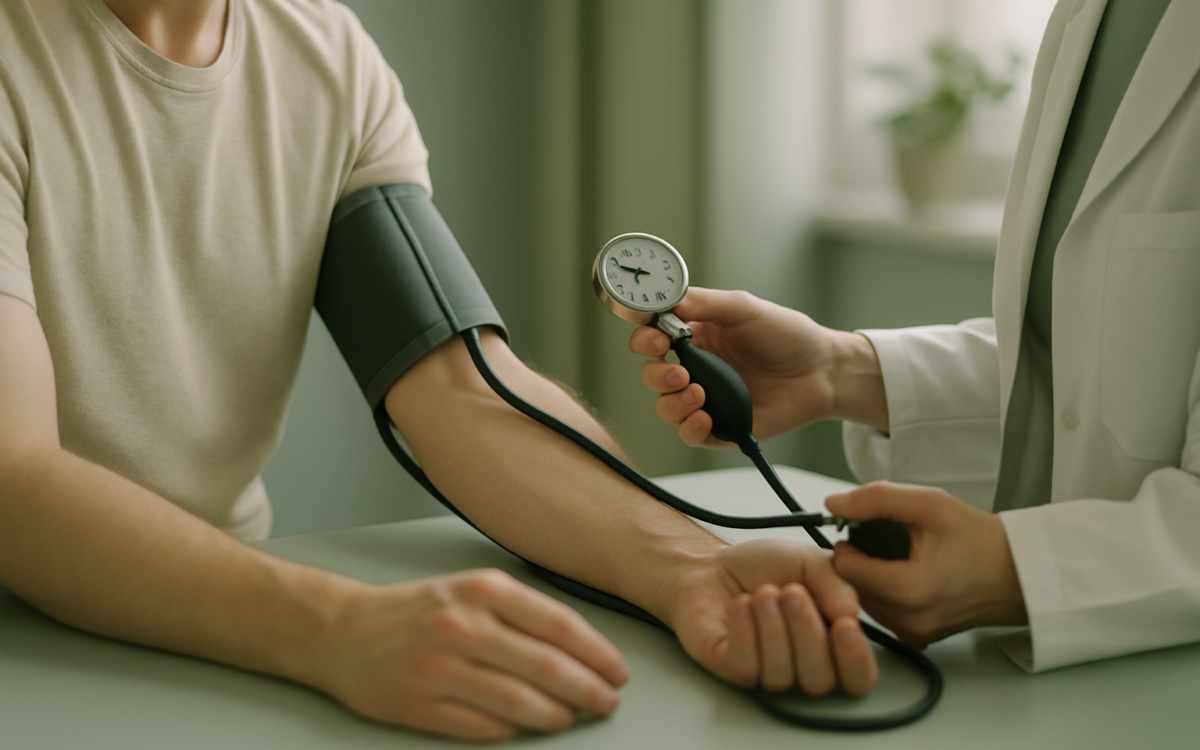
Hypertension, often referred to as high blood pressure, is a common but serious health condition that can lead to significant health problems if left untreated. It affects millions of people worldwide and can silently harm your body over time. Understanding hypertension and its implications is crucial for maintaining good health.
What Is Hypertension?
Hypertension occurs when the force of blood against the artery walls is consistently too high. Blood pressure is measured in millimeters of mercury (mmHg) and presented as two numbers: systolic and diastolic. Systolic pressure measures the pressure in your arteries when your heart beats, while diastolic pressure measures the pressure when your heart rests between beats.
A normal blood pressure reading is usually around 120/80 mmHg. Hypertension is generally diagnosed when blood pressure readings consistently exceed 130/80 mmHg. It’s important to note that hypertension can develop over many years, often without noticeable symptoms.
Types of Hypertension
There are two main types of hypertension:
- Primary Hypertension: This form develops gradually over many years and accounts for the majority of cases. The exact cause is often unknown but is believed to be related to genetic and environmental factors.
- Secondary Hypertension: This type is caused by an underlying condition, such as kidney disease, thyroid problems, sleep apnea, or certain medications. It can appear suddenly and often leads to higher blood pressure than primary hypertension.
Risk Factors for Developing Hypertension
Several risk factors can increase your chances of developing hypertension:
- Age: The risk increases as you get older, with men being at higher risk before age 55 and women after.
- Family History: If hypertension runs in your family, you may be more likely to develop it.
- Obesity: Being overweight can increase the strain on your heart and lead to higher blood pressure.
- Lack of Physical Activity: Sedentary lifestyles can contribute to weight gain and hypertension.
- High Salt Intake: Consuming too much salt (sodium) can cause your body to retain fluid, leading to increased blood pressure.
- Excessive Alcohol Use: Drinking too much alcohol can raise your blood pressure.
- Smoking: Tobacco use can damage your blood vessels and increase hypertension risk.
The Consequences of Untreated Hypertension
If left uncontrolled, hypertension can lead to severe health complications, including:
- Heart Disease: Hypertension can cause the heart to work harder, leading to heart disease or heart failure.
- Stroke: High blood pressure increases the risk of blood clots forming in the arteries that supply blood to the brain.
- Kidney Damage: Hypertension can damage the blood vessels in the kidneys, causing kidney failure.
- Vision Loss: Hypertensive retinopathy can result from damage to the blood vessels in the eyes.
- Metabolic Syndrome: This syndrome is a cluster of conditions, including increased blood pressure, high blood sugar, and abnormal cholesterol levels.
Managing Hypertension: Steps You Can Take
Managing hypertension often involves lifestyle changes and, when necessary, medication. Here are several effective strategies:
- Healthy Diet: Adopt a diet rich in fruits, vegetables, whole grains, and lean proteins. The DASH (Dietary Approaches to Stop Hypertension) diet is specifically designed to help lower blood pressure.
- Regular Exercise: Aim for at least 150 minutes of moderate aerobic activity each week, such as walking, swimming, or cycling.
- Weight Management: Maintain a healthy weight or lose weight if you’re overweight to help lower blood pressure.
- Limit Sodium Intake: Aim to consume no more than 2,300 mg of sodium per day, or less (1,500 mg) if you have hypertension.
- Reduce Alcohol Consumption: Drink in moderation—up to one drink per day for women and two for men.
- Quit Smoking: Seek help to stop smoking if you currently smoke, as quitting can improve overall health and lower blood pressure.
Medications for Hypertension
If lifestyle changes aren’t enough to lower your blood pressure, your doctor may prescribe medication. Several classes of medications are commonly prescribed:
- Diuretics: Help eliminate excess sodium and water from the body, lowering blood pressure.
- ACE Inhibitors: Help relax blood vessels by blocking the formation of a hormone that constricts them.
- Beta-Blockers: Reduce the heart rate and the heart’s output of blood.
- Calcium Channel Blockers: Help relax the muscles of the heart and blood vessels.
It’s vital to work closely with your healthcare provider to find the right combination of lifestyle changes and medication for your individual needs.
When to See a Doctor
If you suspect you have hypertension or if you’re at risk due to family history or other factors, consult your doctor. Regular blood pressure check-ups are essential, especially if you’re over 40 or have other risk factors. Additional testing may be necessary to assess your overall health.
Conclusion
Hypertension is a serious but manageable condition. By understanding blood pressure, recognizing risk factors, and taking proactive steps toward a healthier lifestyle, you can significantly reduce your risk of complications. Regular check-ups and honest communication with your healthcare provider are vital for monitoring your blood pressure and ensuring a healthier future.
For more information on hypertension, visit resources like the CDC and the Mayo Clinic.
