
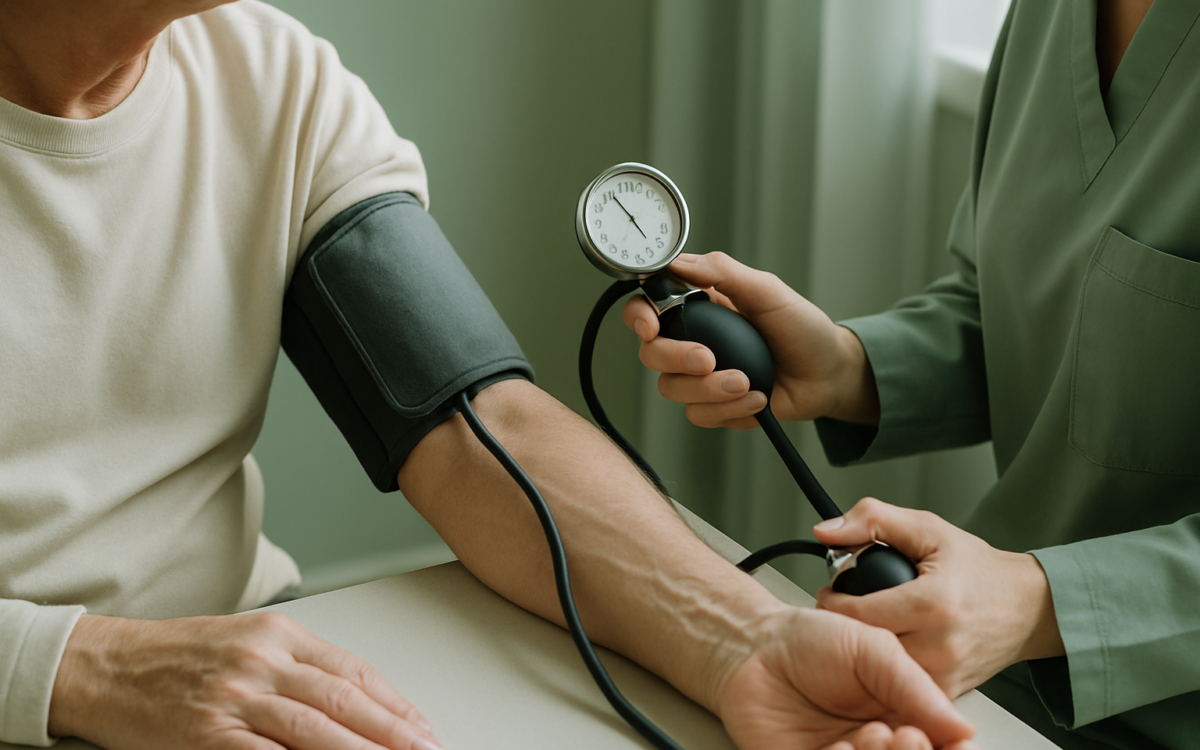
Blood pressure is a vital part of your overall health, often referred to as the “silent killer” because many people experience issues without showing noticeable symptoms. Keeping an eye on your blood pressure can help you catch potential problems early, allowing you to take steps to maintain your health. Recognizing the early signs of blood pressure problems is crucial for ensuring your wellbeing.
What is Blood Pressure?
Blood pressure measures the force your blood exerts against the walls of your arteries as your heart pumps it around your body. This measurement is recorded with two numbers: the systolic pressure (the higher number) represents the pressure during heartbeats, while the diastolic pressure (the lower number) measures the pressure between beats. Normal blood pressure is typically around 120/80 mm Hg.
Common Signs of High Blood Pressure
High blood pressure, or hypertension, usually doesn’t show symptoms until it has reached a severe stage. However, some individuals may experience certain signs that indicate pressure levels are getting dangerously high. Recognizing these signs can help you seek timely medical advice:
- Headaches: Frequent and severe headaches may be a sign that your blood pressure is elevated.
- Dizziness: Feeling dizzy or light-headed can occur with high blood pressure, particularly when combined with other symptoms.
- Nosebleeds: Unexplained nosebleeds can sometimes occur when blood pressure spikes.
- Shortness of breath: Trouble breathing during regular activities or even at rest may indicate an issue.
Signs of Low Blood Pressure
On the flip side, low blood pressure, or hypotension, can also signal problems, particularly if it occurs suddenly. Some signs to watch for include:
- Fainting: Losing consciousness, especially when standing up quickly, can indicate low blood pressure.
- Weakness: Feeling unusually weak or fatigued can suggest that your body isn’t receiving adequate blood flow.
- Blurred vision: Difficulty seeing clearly at times may point to low blood pressure.
- Nausea: Some individuals experience nausea or a lack of appetite when their blood pressure drops.
Understanding Risk Factors for Blood Pressure Problems
It’s essential to know the factors that can contribute to blood pressure problems. Here are some of the major risk factors:
- Age: Blood pressure tends to increase with age.
- Weight: Being overweight or obese raises the risk of hypertension.
- Physical Activity: A sedentary lifestyle contributes to higher blood pressure.
- Diet: Diets high in salt, sugar, and unhealthy fats can increase risk.
- Genetics: Family history can lead to a higher chance of developing blood pressure issues.
International Treatment Perspectives
In today’s globalized world, many people seek treatment options for blood pressure issues beyond their home countries. Facilities like Acibadem International offer advanced treatment and thorough care plans tailored to individual health needs. If you are considering international treatment, researching the facilities and understanding their approach to blood pressure management can be beneficial.
Monitoring Your Blood Pressure
Keeping track of your blood pressure regularly can help you stay informed about your health. You can measure your blood pressure at home with a digital monitor or visit healthcare providers for routine checks. Many pharmacies and clinics offer quick screenings without appointments. Remember these tips for accurate readings:
- Take measurements at the same time each day.
- Avoid caffeine, exercise, and smoking for at least 30 minutes before measuring.
- Relax and sit quietly for at least five minutes before taking a reading.
When to See a Doctor
If you notice any signs of blood pressure issues, it’s essential to consult a healthcare provider. Early detection and management are crucial for preventing serious health complications, including heart disease and stroke.
Conclusion
Understanding the signs of blood pressure problems can empower you to take charge of your health. By monitoring your blood pressure regularly and being aware of the risk factors and symptoms, you can better protect yourself from potential complications. Always consult your healthcare provider if you have concerns about your blood pressure. Your health is in your hands!
