
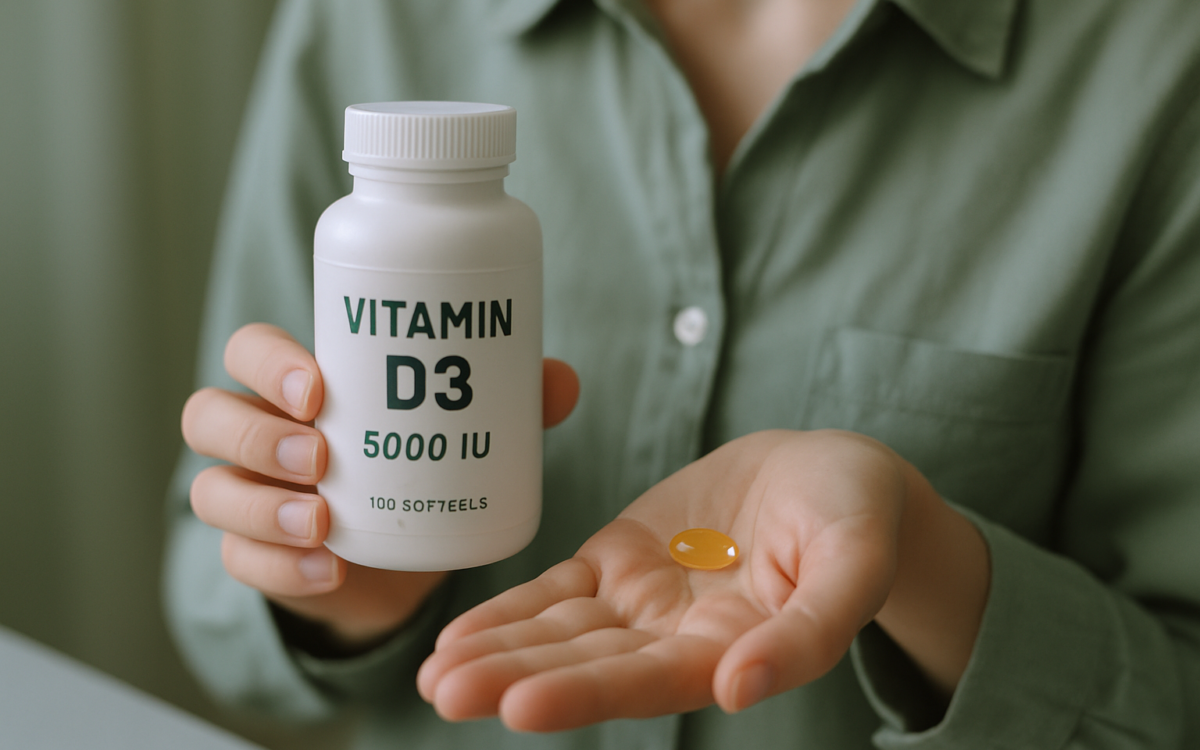
Vitamin D is often dubbed the sunshine vitamin because our bodies can produce it with adequate sunlight exposure. However, many people find it challenging to get enough Vitamin D from sunlight alone, particularly in the winter months. As a result, Vitamin D3 supplements have become increasingly popular. If you’re considering taking 5000 IU of Vitamin D3 every day, you might wonder about the potential benefits and risks involved.
What is Vitamin D3?
Vitamin D comes in two main forms: D2 (ergocalciferol) and D3 (cholecalciferol). While both forms are effective in raising the levels of Vitamin D in your body, Vitamin D3 is the more potent and commonly used type. It is produced in the skin in response to sunlight and can also be found in some foods and supplements.
Why Do People Take Vitamin D3?
Vitamin D3 plays a crucial role in various bodily functions. Here are some of its key benefits:
- Bone Health: Vitamin D helps your body absorb calcium, which is vital for maintaining strong bones and teeth.
- Immune Function: Adequate levels of Vitamin D can support a healthy immune system, potentially reducing the risk of infections.
- Mood Regulation: Some studies suggest that Vitamin D may influence mood and help combat depression.
With so many potential benefits, it’s no surprise that many people consider supplementation, especially if they suspect they may be deficient.
Understanding Dosage: Is 5000 IU Safe?
The recommended dietary allowance (RDA) for Vitamin D varies by age and health status. For most adults, the RDA is between 600 to 800 IU per day, depending on various factors such as age and whether they are pregnant or nursing. However, some health experts and studies suggest that higher doses, such as 5000 IU, may be safe and even beneficial for certain individuals, particularly those with low blood levels of Vitamin D.
According to the National Institutes of Health (NIH), doses of up to 4000 IU per day are generally considered safe for most adults. Some studies have even indicated that doses around 5000 IU daily might not pose a risk for those with specific health requirements, such as a Vitamin D deficiency.
Who Might Benefit from 5000 IU of Vitamin D3?
Taking 5000 IU of Vitamin D3 daily can be particularly beneficial for:
- Individuals with Deficiency: People diagnosed with a Vitamin D deficiency can often benefit from higher dosages under medical supervision.
- Limited Sun Exposure: Those who live in northern latitudes or spend most of their time indoors may need higher supplementation due to less sun exposure.
- Older Adults: Aging can affect the skin’s ability to produce Vitamin D; thus, older adults may require more supplementation.
It’s important to remember that individual needs can vary significantly. The best course of action is to consult with a healthcare professional who can evaluate your specific situation.
Are There Risks Involved?
Although Vitamin D is generally safe, taking excessively high doses over the long term can lead to toxicity. Symptoms of Vitamin D toxicity may include:
- Elevated blood calcium levels (hypercalcemia)
- Nausea and vomiting
- Weakness and fatigue
- Kidney problems
The Centers for Disease Control and Prevention (CDC) recommend that individuals not exceed 4000 IU daily unless prescribed by a healthcare provider. Therefore, it is crucial to consult your doctor before deciding on a daily dosage of 5000 IU, especially if you are on other medications or have existing medical conditions.
How to Monitor Your Vitamin D Levels
If you’ve decided to take 5000 IU of Vitamin D3 daily, monitoring your Vitamin D levels with blood tests is advisable. Regular testing will help ensure that your levels stay within a healthy range. Most doctors recommend checking your 25-hydroxyvitamin D levels at least once a year, but frequency may vary based on your health status and the amount of Vitamin D you are taking.
Blood tests can provide important information that can help guide your supplementation needs, allowing you and your healthcare provider to adjust your dosage as needed.
Conclusion
Taking 5000 IU of Vitamin D3 daily can offer potential benefits for many, especially those at risk of deficiency. However, it’s essential to approach supplementation mindfully and under medical guidance. Make sure to evaluate your individual needs, consider possible risks, and monitor your Vitamin D levels regularly. By staying informed and consulting with a healthcare professional, you can help ensure that you are making the best choices for your health.
When to See a Doctor
If you’re considering taking 5000 IU of Vitamin D3 daily or are experiencing symptoms of deficiency, it’s essential to consult a healthcare provider. They can assess your individual health needs and recommend appropriate blood tests to evaluate your Vitamin D levels. Don’t hesitate to reach out if you have concerns about your vitamin intake or overall wellbeing.
