
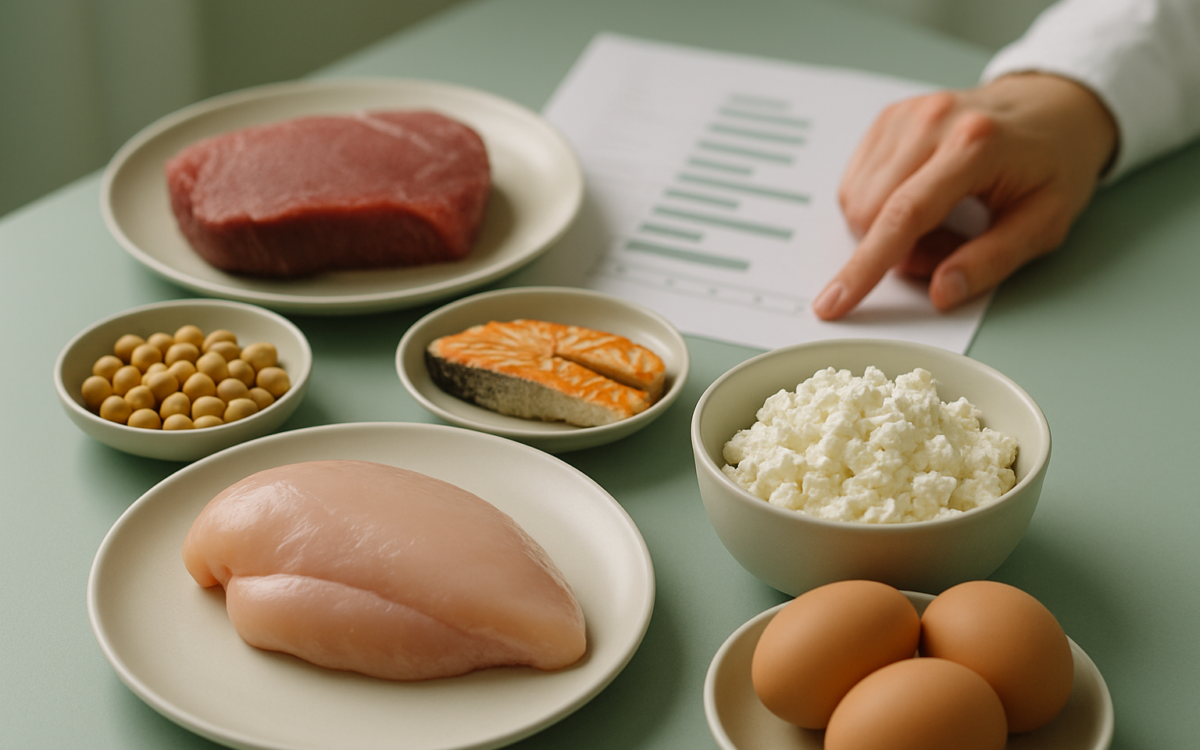
Protein is one of the essential building blocks of life, crucial for various bodily functions. Whether you’re building muscle, recovering from an injury, or simply maintaining healthy body functions, understanding how much protein you need is vital. In this article, we’ll explore recommended protein intake, factors that influence your needs, and how to get enough protein in your diet.
Why Protein Matters
Protein is involved in almost every process in our bodies. It supports cell structure, helps in hormone production, and plays an important role in immune function. It’s also necessary for the growth and repair of tissues. Without adequate protein, our bodies can struggle to repair themselves and function optimally.
Who Needs Protein?
Everyone needs protein, but the amount varies by age, sex, activity level, and health status. Here are some key groups that may have different protein needs:
- Adults: The average adult should aim for about 0.8 grams of protein per kilogram of body weight. For example, a person weighing 70 kg (154 lbs) should aim for about 56 grams of protein each day.
- Athletes: Individuals engaged in intense physical training may need anywhere from 1.2 to 2.0 grams of protein per kilogram of body weight, depending on the type and intensity of their activity.
- Older Adults: As we age, we may need more protein to help preserve muscle mass and overall health, with recommendations often ranging from 1.0 to 1.2 grams per kilogram.
- Pregnant and Nursing Women: These women require additional protein to support fetal growth or breastfeeding, typically around 1.1 grams of protein per kilogram of body weight.
Sources of Protein
Protein can come from various animal and plant sources. Animal sources are generally complete proteins, meaning they contain all the essential amino acids our bodies cannot produce. Here are some common protein sources:
- Meat: Chicken, beef, and pork are all rich in protein.
- Fish: Fish like salmon and tuna provide high-quality protein along with omega-3 fatty acids.
- Dairy: Milk, yogurt, and cheese are excellent sources of protein and calcium.
- Plant Sources: Beans, lentils, tofu, quinoa, and nuts are great plant-based protein sources. While some plant sources are incomplete proteins, combining different sources can help you get all the essential amino acids.
How to Incorporate Protein into Your Diet
Getting the recommended amount of protein in your diet doesn’t have to be challenging. Here are some tips to help you include more protein:
- Add Protein to Every Meal: Incorporate a source of protein, such as eggs, yogurt, or chicken, into every meal. For instance, try adding chickpeas to salads or quinoa to your stir-fry.
- Snack Smart: Choose protein-rich snacks, such as nuts, cheese, or Greek yogurt, to keep you feeling full and energized between meals.
- Explore International Options: If you’re open to exploring global cuisines, you could find delicious and diverse ways to obtain proteins. Dishes like hummus (from Middle Eastern cuisine), tempeh (from Indonesian cuisine), or lentil dal (from Indian cuisine) are not only nutritious but also culturally enriching. For those considering travel for treatment or consultation, visit international patient services to explore nutritional and wellness opportunities abroad.
Dietary Considerations
While protein is crucial for health, balance is key. It’s important not to focus exclusively on protein while neglecting other important nutrients like carbohydrates and fats. A well-rounded diet includes a variety of food groups. Furthermore:
- Too much protein can lead to health issues, especially if it’s from high-fat sources.
- People with certain conditions, such as kidney disease, need to manage their protein intake carefully.
When to See a Doctor
If you’re unsure about your protein needs, or if you’re experiencing unusual health issues (like significant weight loss, fatigue, or weakness), it’s wise to consult a healthcare professional. They can provide a personalized assessment based on your health history and lifestyle.
Conclusion
Getting the right amount of protein is essential for maintaining your overall health. By understanding your personal protein needs and incorporating diverse sources into your diet, you can support your body’s needs effectively. Remember that consulting with a healthcare provider is important to ensure that you’re meeting your specific nutritional requirements.
