
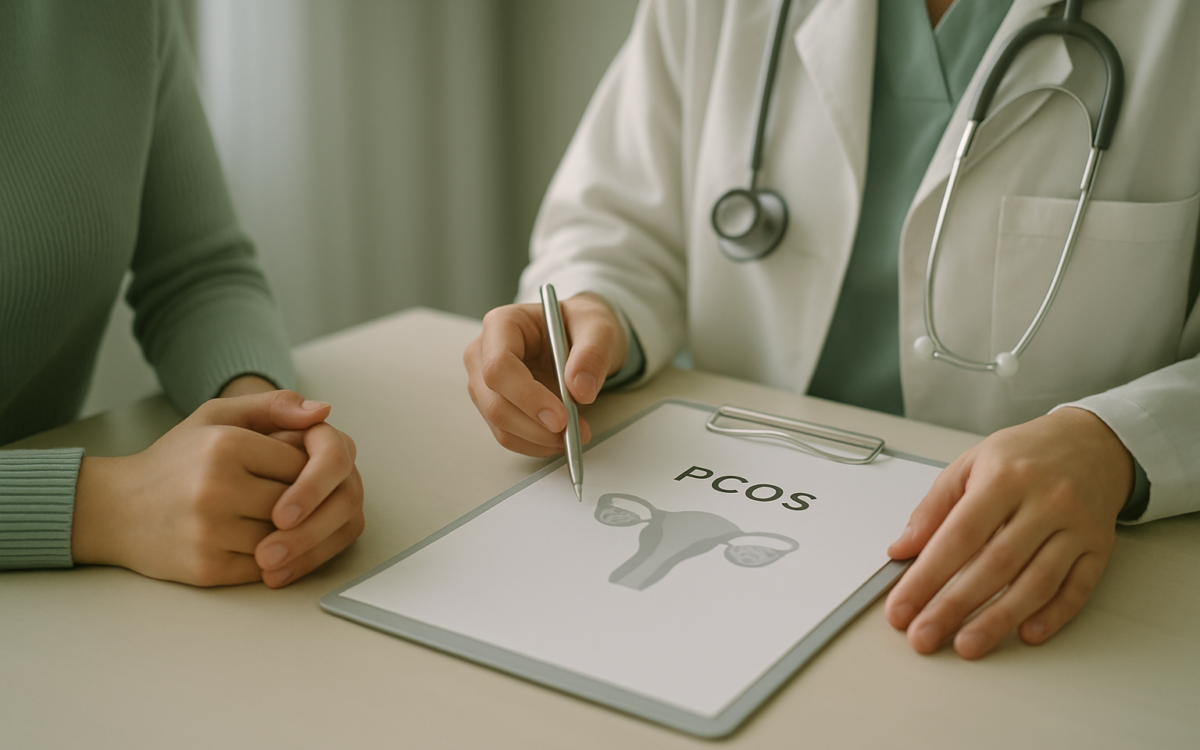
Polycystic ovary syndrome (PCOS) is a condition that affects many women globally, influencing their reproductive health and overall well-being. While the exact cause is still being studied, hormone imbalances play a major role. Understanding PCOS is crucial, especially as early detection can help manage symptoms and support fertility.
What is PCOS?
PCOS is a hormonal disorder characterized by irregular menstrual cycles, excess androgen levels, and polycystic ovaries. These symptoms can vary from woman to woman, making PCOS a complicated condition to diagnose and manage. In many cases, women with PCOS may experience a range of symptoms, including:
- Irregular or absent menstrual periods
- Excess body hair (hirsutism)
- Weight gain
- Thinning hair or hair loss
- Acne or oily skin
- Polycystic ovaries identified through ultrasound
Signs and Symptoms of PCOS
Recognizing the signs of PCOS can lead to earlier diagnosis and better management. Common symptoms include:
Irregular Menstrual Cycles
Women with PCOS may experience irregular menstrual cycles, which might involve excessive bleeding or periods that happen infrequently. This irregularity can be an early sign of hormonal imbalance.
Excess Androgen
Excess levels of male hormones, known as androgens, can result in symptoms like hirsutism and acne. This may not only affect physical appearance but can also lead to emotional distress for many women.
Weight Issues
Weight gain is another symptom associated with PCOS. Insulin resistance, which is common in women with PCOS, can make it challenging to maintain a healthy weight.
Diagnosing PCOS
Diagnosing PCOS often involves a comprehensive approach. Your healthcare provider may:
- Review your medical history.
- Conduct a physical examination.
- Order blood tests to measure hormone levels.
- Perform an ultrasound to look for cysts on the ovaries.
To be diagnosed with PCOS, a patient typically needs to meet at least two of three criteria, known as the Rotterdam criteria. It’s important to speak openly with your doctor about your symptoms.
Managing PCOS
While there’s no cure for PCOS, various management strategies can alleviate symptoms.
Lifestyle Changes
Making changes to your diet and exercise routine can be extremely beneficial. Aim for a balanced diet rich in whole foods, fruits, and vegetables. Regular exercise can help manage weight and improve insulin sensitivity.
Medications
Your doctor may recommend medications to help manage symptoms. Birth control pills can regulate menstrual cycles and reduce symptoms like hirsutism and acne. Metformin, often used to treat type 2 diabetes, can also assist with insulin resistance.
Emotional Support
The emotional impact of PCOS can be significant. Seeking support from counselors or support groups can help you navigate the emotional challenges associated with the condition. Discussion with friends or family can also provide a necessary support network.
When to See a Doctor
It’s essential to consult with a healthcare provider if you experience symptoms suggestive of PCOS, such as irregular periods or excess hair growth. Early intervention can lead to more effective management and better overall health. Regular check-ups are also recommended to monitor any complications that may arise from PCOS.
Conclusion
PCOS can be a complex and multifaceted condition, but understanding its signs and management options can empower women to take control of their health. If you suspect that you may have PCOS or are experiencing any related symptoms, consulting a healthcare professional is the first step towards effective management and improved health.
For more information, you can explore resources from the Mayo Clinic, NIH, and World Health Organization.
