
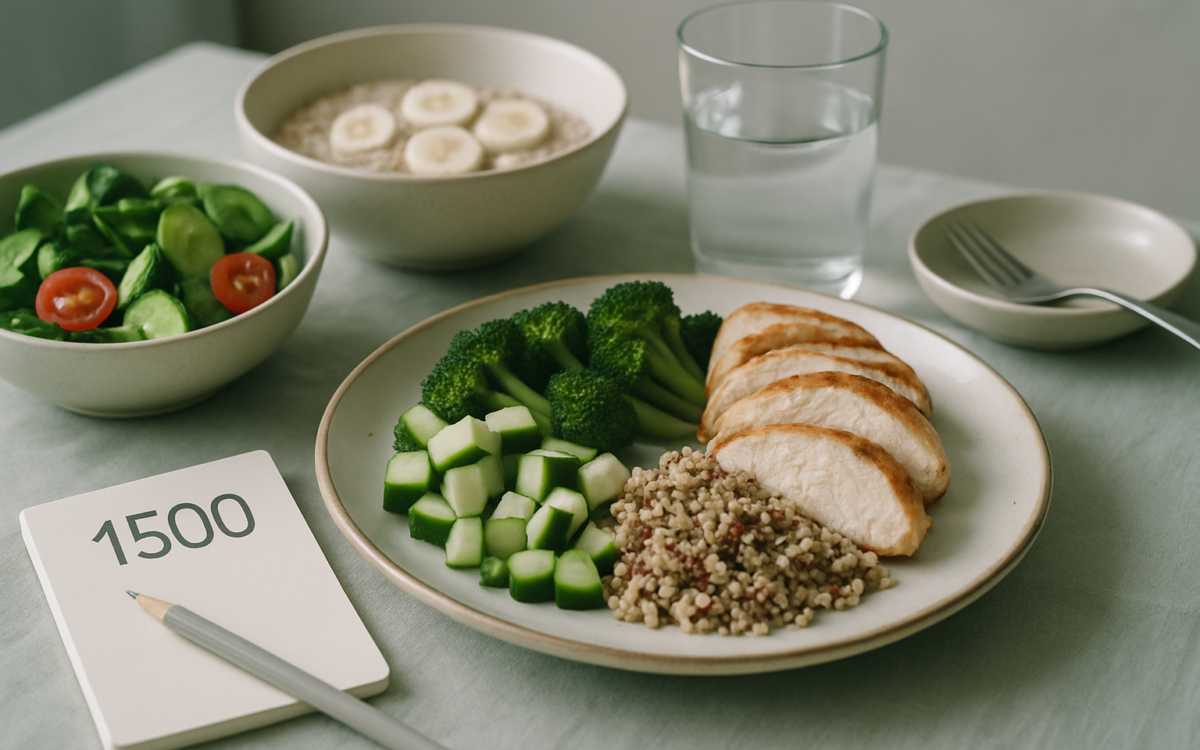
Eating a balanced diet is essential for maintaining good health and energy levels. If you’re looking to manage your weight or simply want to eat healthier, a well-structured 1500-calorie meal plan can be a great tool. With a focus on nutrition and variety, this plan can help you feel satisfied while keeping your caloric intake in check. Let’s explore the elements of an effective 1500-calorie meal plan.
Understanding the Basics of a 1500-Calorie Diet
A 1500-calorie diet involves consuming a total of 1500 calories spread throughout your meals and snacks each day. This calorie limit is often suitable for individuals looking to lose weight, although specific needs can vary based on factors like age, sex, weight, height, and activity level. The key is to prioritize nutrient-dense foods that provide essential vitamins and minerals without exceeding your caloric goals. For some guidelines, visit Mayo Clinic.
Components of a Balanced Meal Plan
A healthy meal plan should include all food groups to ensure you get a range of nutrients. Here are the components you should consider:
- Fruits and Vegetables: Aim for at least 5 servings each day. They are low in calories but high in vitamins, minerals, and fiber.
- Whole Grains: Include whole grains such as brown rice, quinoa, and whole-grain bread. They provide sustained energy and fiber, essential for digestive health.
- Protein: Incorporate lean protein sources like chicken, fish, beans, and nuts. Protein helps with muscle repair and keeps you feeling full.
- Dairy or Alternatives: Choose low-fat dairy products or fortified plant-based alternatives for calcium and vitamin D.
- Healthy Fats: Include healthy fat sources such as avocados, olive oil, and nuts in moderation.
Sample 1500-Calorie Meal Plan
To help you visualize a balanced 1500-calorie meal plan, here’s a sample structure for a day:
Breakfast (350 calories)
- 1 whole-grain toast (80 calories)
- 2 scrambled eggs or 1/2 cup of Greek yogurt (150 calories)
- 1 small avocado (120 calories)
Snack (150 calories)
- 1 medium apple (95 calories)
- 1 tablespoon peanut butter (55 calories)
Lunch (400 calories)
- Grilled chicken salad with mixed greens, cherry tomatoes, cucumbers, and vinaigrette (300 calories)
- Whole grain roll (100 calories)
Snack (150 calories)
- 1/2 cup Hummus (100 calories)
- Carrot and celery sticks (50 calories)
Dinner (450 calories)
- 4 ounces of baked salmon (300 calories)
- 1 cup of steamed broccoli (55 calories)
- 1/2 cup of quinoa (95 calories)
This sample meal plan emphasizes whole, minimally processed foods that are flavorful and satisfying. Adjust the portions and food choices according to your preferences while keeping the total calorie count in mind.
Tips for Success with a 1500-Calorie Meal Plan
Making dietary changes can be challenging, but these tips can help you stay on track:
- Plan Ahead: Meal prepping can save time and help you stick to your plan. Consider preparing meals on weekends to make healthy eating easier during the week.
- Stay Hydrated: Drink plenty of water throughout the day, as thirst can sometimes be mistaken for hunger.
- Limit Added Sugars: Reduce consumption of sugary drinks and snacks to control calorie intake. Focus on naturally sweet foods like fruits.
- Mindful Eating: Pay attention to portion sizes and eat slowly to enhance your eating experience and help prevent overeating.
Common Challenges and How to Overcome Them
Implementing a 1500-calorie meal plan may come with challenges. Here are some common hurdles:
- Feeling Hungry: If you experience hunger, consider increasing your intake of low-calorie, high-fiber foods like vegetables to help fill you up.
- Social Situations: Communicating your dietary goals with friends and family can help you get support and make it easier to stick to your plan during gatherings.
- Variety: Keep meals exciting by trying new recipes or experimenting with different cooking methods and spices.
When to See a Doctor
If you are considering starting a 1500-calorie diet, especially if you have underlying health conditions or dietary restrictions, it’s recommended to consult with a healthcare provider or registered dietitian. They can help personalize your meal plan to fit your health needs and monitor your progress. Further information can be found at NIH.
Ultimately, the goal of a 1500-calorie meal plan is to promote health and well-being without feeling deprived. By focusing on nutrient-dense foods and planning your meals, you can cultivate a balanced approach to eating that supports your lifestyle and goals.
