
When it comes to losing weight or improving fitness, many people focus on diet alone. However, exercise plays a crucial role in burning fat, and understanding your fat burning heart rate can make a significant difference in your efforts. This article will guide you through the concept of fat burning heart rate, how to calculate it, and the benefits of exercising in this heart rate zone.
What is Fat Burning Heart Rate?
Your fat burning heart rate, often called your optimal heart rate for fat oxidation, is the intensity at which your body burns the highest percentage of fat during exercise. When you exercise, your body uses different energy sources depending on the intensity of the activity. At lower intensities, fat becomes a primary fuel source, while at higher intensities, carbohydrates take precedence.
How to Calculate Your Fat Burning Heart Rate
Calculating your fat burning heart rate isn’t complicated. The first step is to determine your maximum heart rate, which is generally estimated using the formula:
- 220 – your age = maximum heart rate (in beats per minute, or bpm)
Once you have your maximum heart rate, find your fat burning zone, which is usually between 60% and 70% of your maximum heart rate. Here’s how to do it:
- Maximum Heart Rate = 220 – Age
- Fat Burning Zone = Maximum Heart Rate x 0.6 to 0.7
For example, if you are 30 years old, your estimated maximum heart rate would be 190 bpm (220 – 30). Your fat burning zone would then be between 114 bpm (190 x 0.6) and 133 bpm (190 x 0.7).
Why Exercising in the Fat Burning Zone Matters
Understanding and utilizing your fat burning heart rate can lead to several benefits:
- Optimal Fat Utilization: Exercising at this heart rate means your body is more efficient at burning fat.
- Improved Workouts: You’ll feel more energized and capable of working out for longer durations.
- Health Benefits: Regular exercise at the right intensity can improve overall cardiovascular health and metabolic function. Studies indicate that maintaining a healthy heart rate can reduce the risks of cardiovascular disease, diabetes, and obesity [NIH].
Effective Ways to Maintain Your Fat Burning Heart Rate
Keeping your heart rate in the fat burning zone requires attention and adaptability. Here are a few tips to help you:
- Warm-Up: Start with a 5-10 minute warm-up to gradually elevate your heart rate.
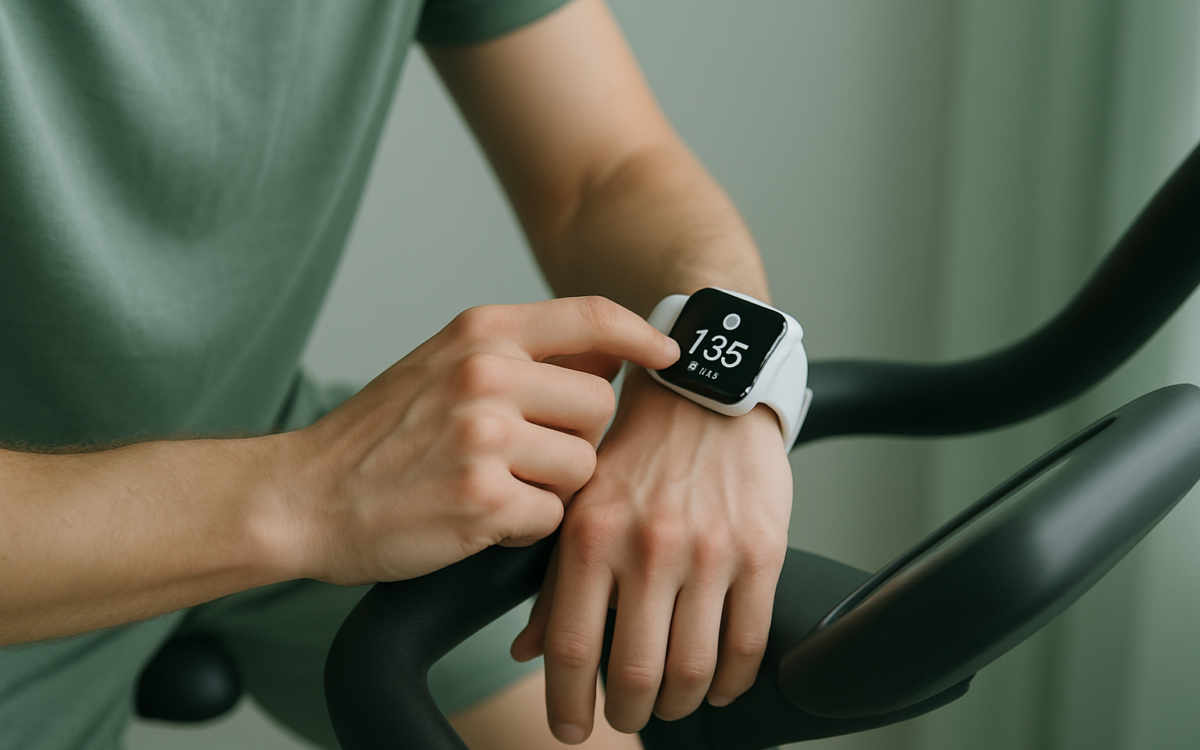
- Monitor Your Heart Rate: Use a heart rate monitor or smart watch to keep track of your bpm during workouts.
- Vary Your Activity: Switch between different activities, such as walking, jogging, or cycling, to maintain your interest and your heart rate.
- Stay Consistent: Regular workouts in your fat burning zone help improve your endurance and overall fitness over time.
Combining Cardio and Strength Training
While cardio is essential for fat burning, don’t overlook the importance of strength training. Lifting weights can help build muscle, which increases your resting metabolic rate. This means your body will burn more calories, even when at rest. Research supports the idea that combining strength training with aerobic exercise enhances overall fat loss and improves metabolic health [CDC].
Common Misconceptions About Fat Burning Heart Rate
There are several misconceptions surrounding fat burning and exercise intensity:
- Higher Intensity Equals Higher Fat Burn: While high-intensity workouts burn more calories overall, a lower intensity might be better for fat oxidation.
- Fat Burning Zone Is Only for Weight Loss: Exercising in this heart rate zone can also improve endurance, give you more energy, and support heart health.
By demystifying these misconceptions, you can make more informed choices about your workouts and overall fitness strategy.
When to See a Doctor
If you experience unusual symptoms while exercising, such as chest pain, shortness of breath, or irregular heartbeats, consult a doctor. It’s also wise to talk to a healthcare professional before starting any new exercise program, particularly if you have pre-existing conditions or concerns about your heart health.
Understanding your fat burning heart rate and how to effectively exercise within this zone can significantly enhance your weight loss and fitness journey. As with any aspect of health and fitness, ensure you consult with a healthcare professional to tailor a plan that works best for you.
