
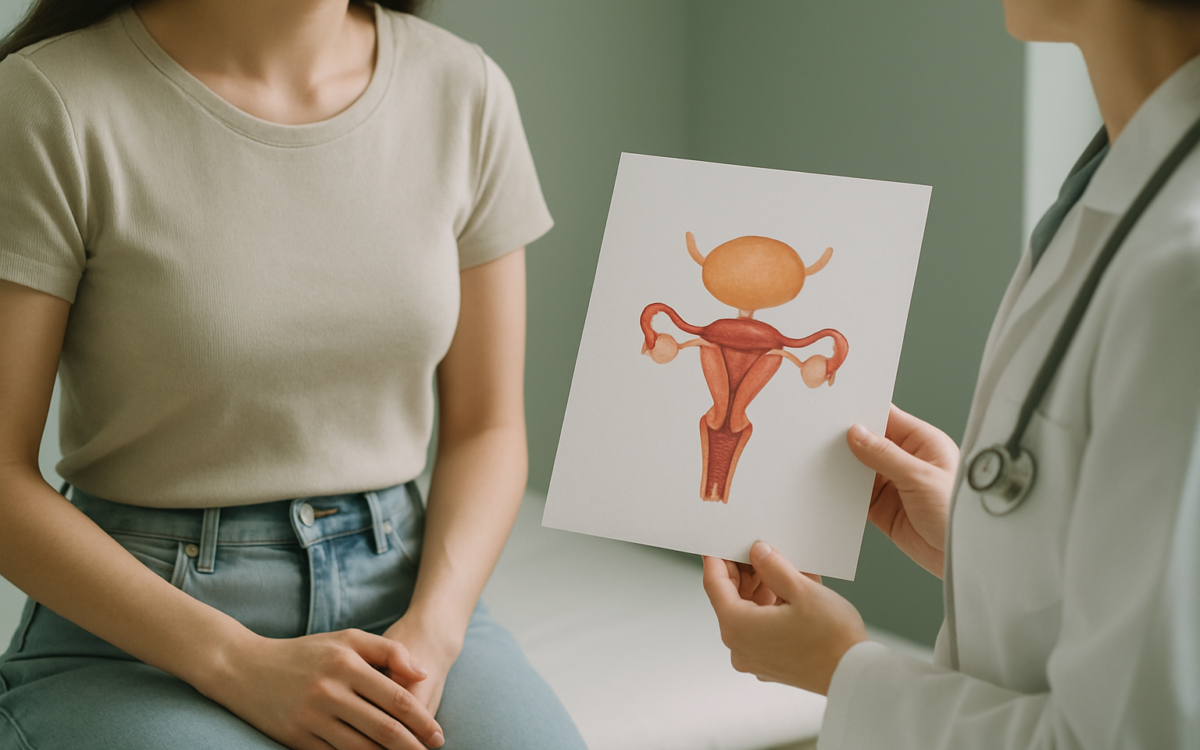
The prostate is often regarded as a male-only gland, yet the conversation surrounding its functions and implications can be more complex. As health education progresses, many are curious: do women have prostates? In this article, we will delve into the anatomy, function, and health considerations regarding the prostate, highlighting its significance regardless of gender.
The Anatomy of the Prostate
The prostate is a small gland located just below the bladder in males and surrounds the urethra—the tube that carries urine and semen out of the body. It plays a critical role in producing seminal fluid, which nourishes and transports sperm. Male anatomy is distinctly different from female anatomy. Women do not have a prostate gland in the traditional sense, but there are analogous structures.
Understanding the Skene’s Glands
While women don’t have a prostate, they do have Skene’s glands, sometimes referred to as the female prostate. These glands are located near the urethra and are responsible for producing a fluid that can contribute to lubrication during sexual activity. Some studies suggest that Skene’s glands may also play a role in female ejaculation, further blurring the lines in the conversation about prostate-like roles in both genders.
The Prostate’s Functions in the Male Body
The prostate’s primary function is to secrete prostate fluid, a major component of semen. This fluid helps maintain sperm viability and motility. In addition to its reproductive role, the prostate also plays a part in hormonal balance; it can respond to testosterone levels and may influence sexual function and overall health.
The Importance of Prostate Health
Maintaining a healthy prostate is pivotal for men’s health. Issues such as benign prostatic hyperplasia (BPH), prostatitis, and prostate cancer can significantly impact quality of life. Regular check-ups and awareness of symptoms related to prostate health can help in early detection and intervention. For reliable information regarding these conditions, you can check resources from the Cleveland Clinic.
Misconceptions About Prostate Health
Despite the common association of the prostate with men, many misconceptions persist regarding its exclusive nature. Understanding these myths helps clarify its importance among both genders. For instance, the idea that only men need to be concerned about prostate health overlooks the contribution of Skene’s glands to women’s health.
How Health Research Is Evolving
Research in women’s health has expanded over the years, with a growing recognition of the complexities of female anatomy and functions equivalent to male organs. Ongoing studies continue to investigate the role of Skene’s glands and their potential implications for female reproductive health and sexual function. Resources such as the National Institutes of Health provide updates on ongoing research in these critical areas.
When to See a Doctor
Regardless of gender, being aware of your body is essential. Men should seek regular prostate screenings starting at age 50, or earlier for those with a family history of prostate issues. Women may also want to discuss any urinary or sexual health concerns linked to Skene’s glands or other reproductive health issues with their healthcare provider. Consulting with a doctor can guide you on appropriate screenings and preventive measures for maintaining reproductive health.
Conclusion
The conversation around the prostate and its functions reveals a fascinating layer of human anatomy that is often misunderstood. While women do not have prostates in the traditional sense, understanding the role of Skene’s glands and the overall importance of gendered health awareness can lead to better health outcomes for everyone. Keep informed and advocate for your health, recognizing the unique aspects of your body as you do.
