
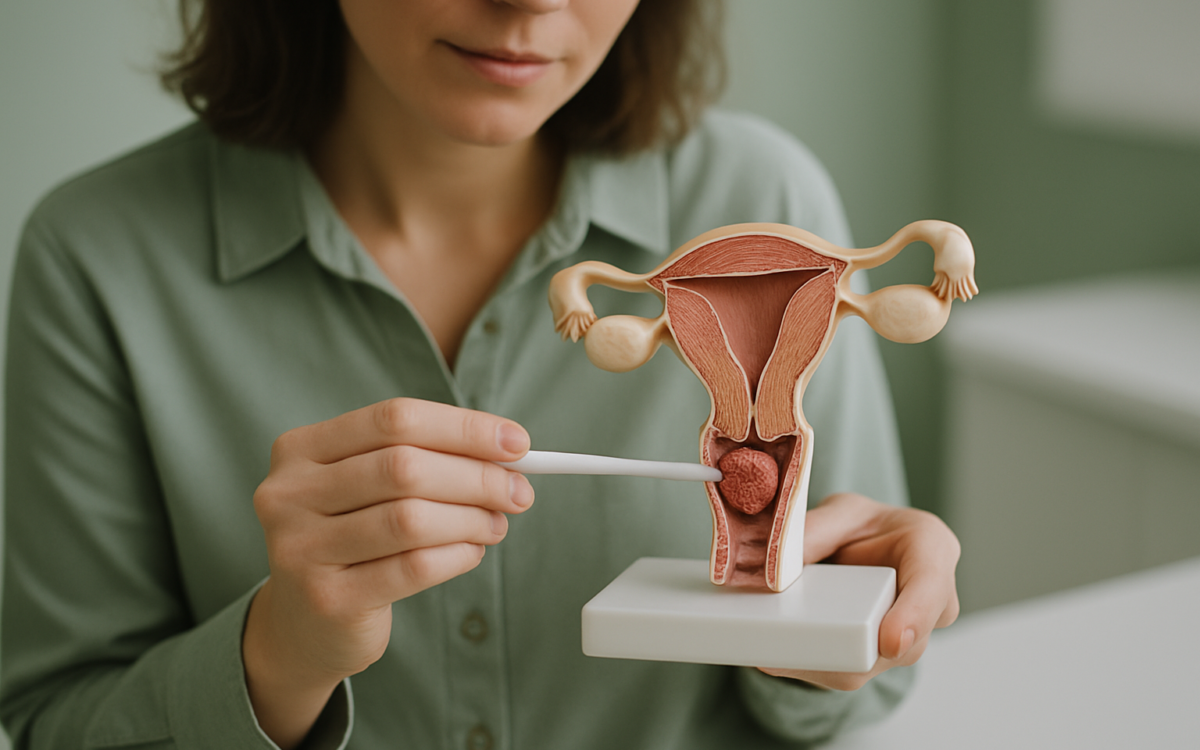
The prostate gland is often associated exclusively with men, primarily due to its significant role in male reproductive health. However, the discussion around the prostate can sometimes overlook an interesting aspect: certain structures in women share similarities with the prostate. Understanding this connection is essential for women’s health and well-being.
What is the Prostate Gland?
The prostate gland is a small, walnut-sized gland located just below the bladder in men. Its primary function is to produce seminal fluid, which nourishes and transports sperm. In addition, the prostate plays a role in hormone regulation and urinary function. Its health is critical since conditions such as prostatitis, benign prostatic hyperplasia (BPH), and prostate cancer can significantly affect men’s health.
Do Women Have a Prostate?
While women do not have a prostate gland in the same way men do, they possess structures that can be considered analogous. The most commonly referenced are the Skene’s glands, often referred to as the female prostate.
What are Skene’s Glands?
Skene’s glands, located near the urethra, are responsible for producing fluids that can play a role in lubrication and sexual pleasure. These glands vary in size and function among individuals. Like the prostate, they are involved in the secretion of fluid that can contribute to sexual arousal, making them a focus of interest for researchers studying female anatomy and sexual health.
The Health Implications of Skene’s Glands
Understanding the function and health of Skene’s glands is vital for several reasons. Some women may experience infections or blockages in these glands, which can lead to discomfort or pain. Furthermore, research is ongoing regarding their potential role in conditions such as female urinary incontinence and pelvic pain syndromes.
Urinary Issues and Female Anatomy
Women with poorly functioning Skene’s glands may experience unusual urinary symptoms. Some studies suggest that inflammation or infection of these glands could contribute to urinary tract infections (UTIs) or even lead to antibiotic resistance due to recurrent infections. According to the National Institutes of Health, understanding how these glands function can help in addressing urinary health issues more effectively.
The Sexual Health Connection
Much like the prostate in men, Skene’s glands in women can influence sexual health. Some research indicates that these glands secrete a fluid that contributes to female ejaculation, though this topic remains heavily researched and somewhat debated in medical communities. The ability of these glands to fulfill a role in sexual health underscores the interconnectedness of various systems within women’s bodies.
Seeking Help When Needed
If women experience discomfort in the pelvic area or have concerns about urinary function, it’s important to seek medical advice. Many resources focus on urinary and sexual health, but individual assessments are crucial. A health care provider can offer personalized insight and potential treatment options.
Research and Awareness
As research into female anatomy continues to evolve, it’s essential to raise awareness about the structures akin to the prostate gland in women. By fostering a better understanding, both medical professionals and women can engage in meaningful dialogues about health, sexuality, and wellness. This knowledge can empower women to advocate for their health effectively.
Educational Resources
Organizations like the World Health Organization and the Centers for Disease Control and Prevention offer valuable information about women’s health that is accessible and credible. Staying informed about new findings and recommendations can help women make better health choices.
When to See a Doctor
If you experience symptoms such as unexplained pelvic pain, changes in urination, or the feeling of pressure in the urethral area, it may be time to consult a healthcare provider. Early detection and intervention can lead to better outcomes.
Conclusion
The existence of prostate-like glands in women invites a broader understanding of female anatomy and health. While women do not have a prostate gland in the traditional sense, the presence of Skene’s glands plays a significant role in numerous aspects of their health, from urinary function to sexual well-being. Recognizing the importance of these structures can lead to more informed discussions and better health outcomes for women.
