
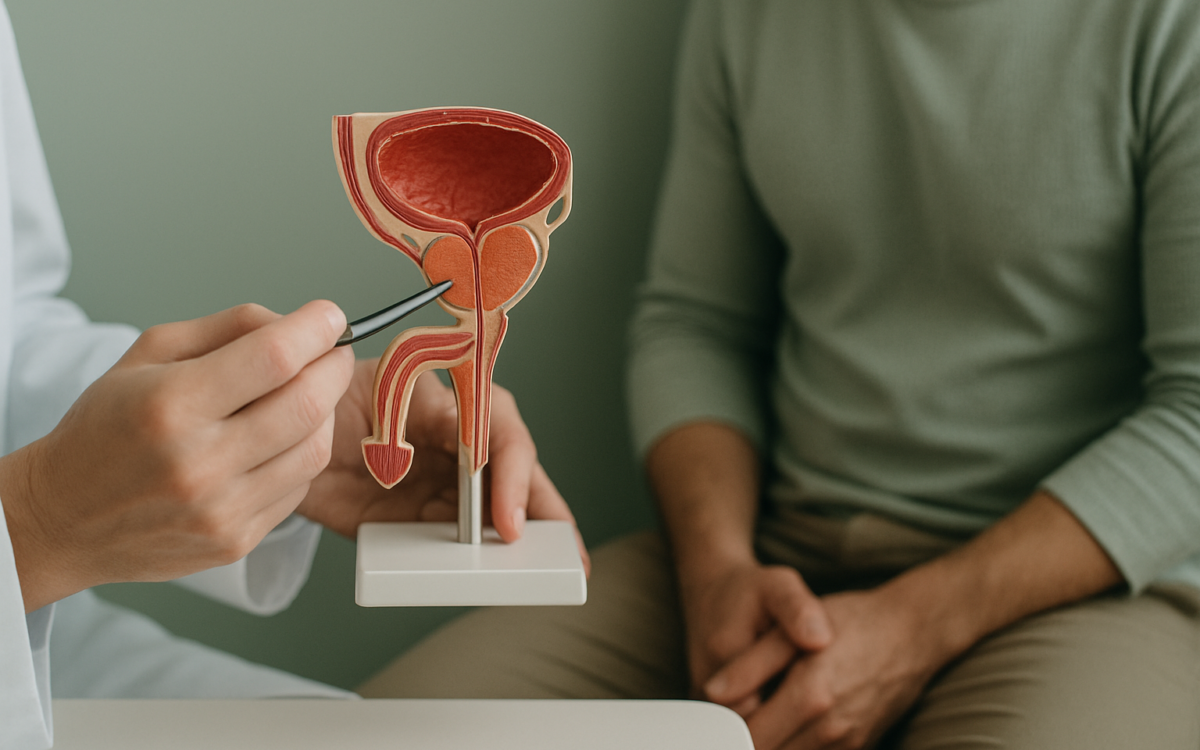
The prostate is an essential gland in the male reproductive system, playing a crucial role in various aspects of men’s health. Understanding its location and function is important for maintaining prostate health and recognizing potential issues early on. In this article, we will explore the prostate’s location, its anatomy, common conditions affecting it, and how to keep this vital gland healthy.
What is the prostate?
The prostate is a walnut-sized gland located just below a man’s bladder and in front of the rectum. It surrounds the urethra, which is the tube that carries urine from the bladder out of the body. The primary function of the prostate is to produce seminal fluid, which nourishes and transports sperm during ejaculation.
Where is the prostate located?
To understand the prostate’s location better, it is helpful to look at the anatomy surrounding it:
- Positioning: The prostate sits at the base of the bladder, and its upper surface touches the bladder wall. As noted by NIH, this strategic location is essential for its reproductive function.
- Relationship with organs: The prostate is located near several other important organs, including the seminal vesicles and the vas deferens, which transport sperm from the testicles.
- Prostate and rectum: Behind the prostate lies the rectum, making it easier for healthcare providers to evaluate the gland through a rectal examination.
The role of the prostate
The prostate plays several important roles in male reproductive health, including:
- Seminal fluid production: The prostate produces a significant portion of the fluid that makes up semen, aiding sperm mobility and viability.
- Hormonal influence: The prostate gland is influenced by hormones like testosterone, affecting growth and function.
- Sexual function: The prostate contributes to sexual pleasure and function for men. Its stimulation can enhance the male orgasmic experience.
Common prostate conditions
Several health issues can affect the prostate, and being aware of them is key for early detection and intervention:
- Benign Prostatic Hyperplasia (BPH): This condition involves enlargement of the prostate and is common as men age. It can lead to urinary issues such as the need for frequent urination or difficulty starting urination.
- Prostatitis: This is an inflammation of the prostate, which can be caused by bacterial infections. Symptoms can include pelvic pain, painful urination, and fever.
- Prostate cancer: Prostate cancer is one of the most common cancers among men. Risk factors include age, family history, and race. Regular screenings can help in early detection.
The importance of regular check-ups
Understanding the location of the prostate and the potential health issues that can arise emphasizes the importance of regular medical check-ups. Here’s why:
- Early detection of potential problems can lead to better management and treatment options.
- Regular screenings, including Digital Rectal Exams (DRE) and Prostate-Specific Antigen (PSA) tests, are recommended for men over 50 or earlier for those at high risk.
- Healthcare professionals can provide useful advice on maintaining prostate health through lifestyle choices, diet, and exercise.
Exploring international options for prostate treatment
For men seeking advanced options for prostate health and treatment, there are many resources available internationally. Countries such as Turkey are gaining attention for their comprehensive medical facilities and skilled specialists in urology and oncology. In fact, organizations like acibademinternational.com offer extensive options for men considering prostate treatment abroad. Patients can benefit from cutting-edge technology, personalized care, and, in some cases, shorter waiting periods for procedures.
When to see a doctor
It’s crucial to be aware of changes in your health that might indicate a problem with your prostate. You should consider consulting a healthcare professional if you experience:
- Persistent urinary issues such as difficulty urinating, weak urine flow, or frequent urination, especially at night.
- Pain in the pelvic area, lower back, or abdomen.
- Painful ejaculation or blood in semen.
- Unexplained weight loss or fatigue.
Conclusion
The prostate gland plays an essential role in men’s health, and its location can significantly impact various health conditions. Understanding these aspects can help men take charge of their health—emphasizing the importance of regular screenings and awareness of symptoms. By staying informed and proactively managing health, men can maintain their prostate health and overall well-being.
