
Blood pressure plays a crucial role in your overall health. High blood pressure, or hypertension, is often called the “silent killer” because it usually has no symptoms until serious complications arise. Understanding how to read and interpret your blood pressure numbers can empower you to take control of your heart health.
What is Blood Pressure?
Blood pressure measures the force of blood against the walls of your arteries. It is expressed in two numbers:
- Systolic pressure: The first, larger number, represents the pressure in your arteries when your heart beats.
- Diastolic pressure: The second, smaller number, reflects the pressure in your arteries when your heart is resting between beats.
Your blood pressure is recorded in millimeters of mercury (mmHg). For example, a blood pressure reading of 120/80 mmHg means you have a systolic reading of 120 and a diastolic reading of 80.
Understanding Blood Pressure Readings
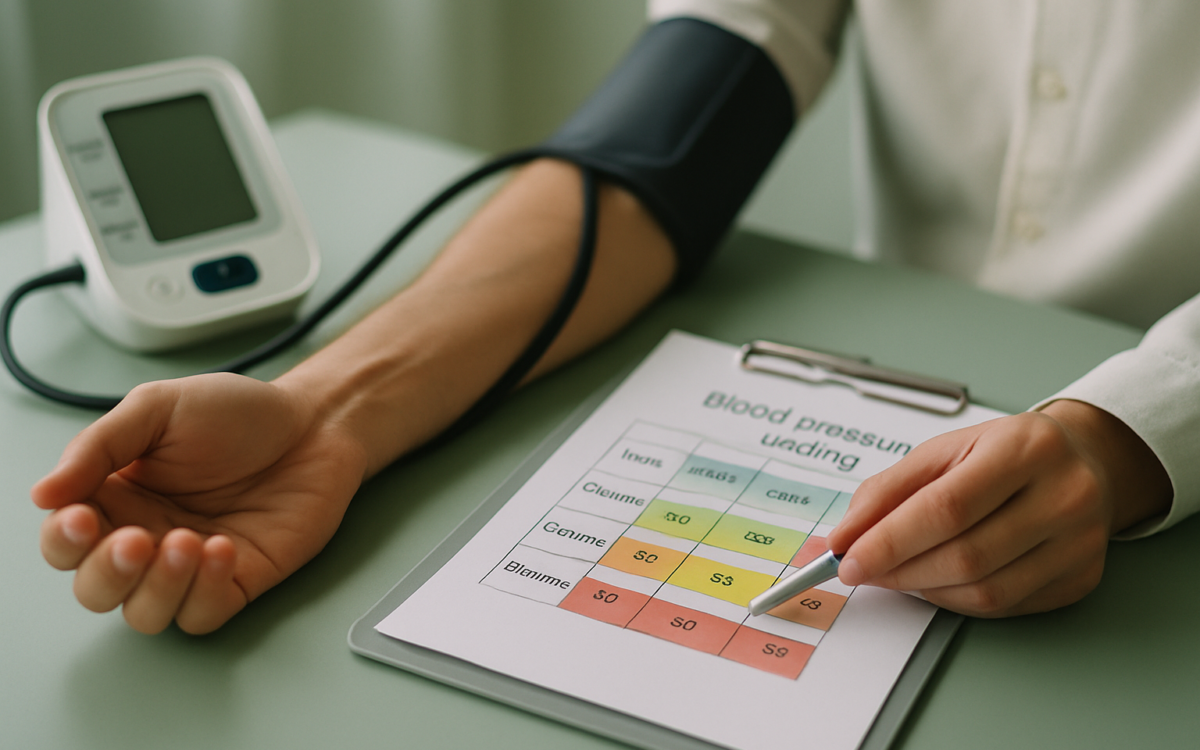
Here’s a simple chart to help you understand different blood pressure readings:
- Normal: Less than 120/80 mmHg
- Elevated: Systolic between 120-129 and diastolic less than 80 mmHg
- Hypertension Stage 1: Systolic between 130-139 or diastolic between 80-89 mmHg
- Hypertension Stage 2: Systolic 140 or higher or diastolic 90 or higher
- Hypertensive Crisis: Systolic higher than 180 and/or diastolic higher than 120. This requires immediate medical attention.
Recognizing your blood pressure category can guide you in managing your health. For example, if your readings fall within the elevated range, knowing this allows you to make lifestyle changes, such as improving your diet or increasing physical activity.
How to Monitor Your Blood Pressure at Home
Monitoring your blood pressure at home can help you keep track of your health. Here’s how to do it effectively:
- Choose the right monitor: Look for a blood pressure monitor that is validated and fits the size of your arm correctly. An automatic cuff is generally easier to use.
- Follow instructions: Always follow the manufacturer’s instructions for using your monitor. Sit quietly for a few minutes before measuring and ensure your arm is at heart level during the reading.
- Take multiple readings: Measure your blood pressure at the same times each day and take two or three readings, a minute apart, to get an accurate average.
- Keep a log: Write down your readings and any relevant details, such as when you took them, to share with your doctor.
Understanding these practices can help you effectively monitor your blood pressure and recognize trends or changes.
International Perspectives on Blood Pressure Management
Blood pressure management can vary around the world. For individuals seeking treatment options abroad, there are many reputable facilities that specialize in hypertension management. For example, acibademinternational.com offers various services and treatments that can help you address blood pressure issues effectively. Such facilities often provide a comprehensive approach, combining medical care with dietary and lifestyle modifications suited to individual needs.
Lifestyle Changes to Improve Your Readings
Aside from regular monitoring, certain lifestyle changes can significantly influence your blood pressure:
- Eat a balanced diet: The DASH (Dietary Approaches to Stop Hypertension) diet emphasizes fruits, vegetables, whole grains, and lean proteins, which can help lower blood pressure.
- Stay active: Regular physical activity strengthens the heart and can lower blood pressure. Aim for at least 150 minutes of moderate aerobic exercise each week.
- Limit alcohol and quit smoking: Excessive alcohol consumption and smoking can raise blood pressure. Reducing these habits can improve your health significantly.
- Manage stress: Chronic stress can contribute to high blood pressure, so finding healthy ways to cope, such as meditation or yoga, can be beneficial.
These lifestyle changes, combined with regular monitoring, can provide a powerful strategy for managing your blood pressure.
When to See a Doctor
If you experience consistently high readings (130/80 mmHg or higher), have symptoms like headaches or dizziness, or if your blood pressure readings are suddenly elevated, it is crucial to consult a healthcare professional. Regular check-ups and discussions about your readings are essential for long-term health management.
Conclusion
Understanding your blood pressure readings and knowing how to monitor your health can significantly impact your overall well-being. Utilizing resources like a blood pressure reading chart can help you comprehend what your numbers mean and when to seek help. Keep track of your readings, make lifestyle adjustments, and consult your doctor to maintain a healthier heart.
