
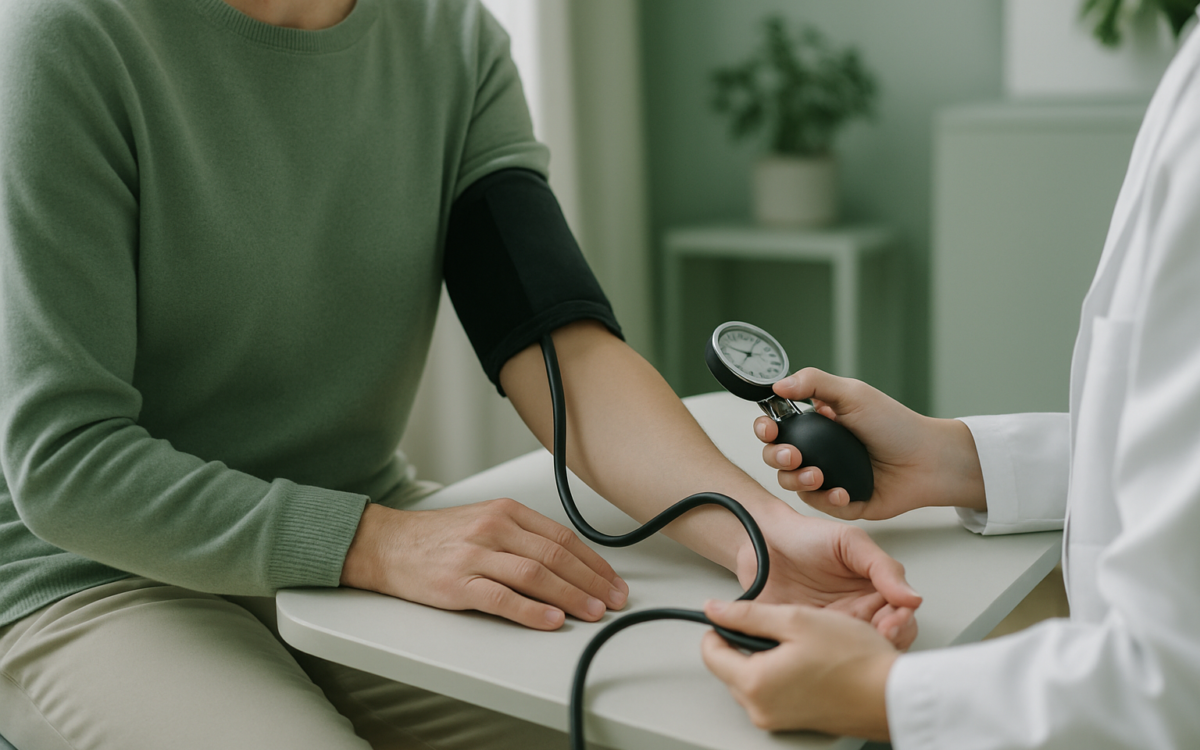
High blood pressure, also known as hypertension, is sometimes called the “silent killer” because it often has no symptoms but can lead to serious health issues like heart disease and stroke. Fortunately, there are many natural and effective strategies to help manage and lower blood pressure. This article offers practical advice to improve your heart health without needing medication.
Understanding Blood Pressure
Blood pressure measures the force of blood against the walls of your arteries. It is expressed as two numbers: systolic (the pressure during a heartbeat) over diastolic (the pressure between heartbeats). A normal reading is usually around 120/80 mm Hg. Levels above this can indicate varying degrees of hypertension.
The Impact of Diet
Your diet plays a significant role in managing blood pressure. Here are some dietary adjustments that may help:
- Eat more fruits and vegetables: A diet rich in potassium, which is found in fruits like bananas and oranges, and vegetables such as spinach and sweet potatoes, can help reduce blood pressure.
- Limit salt intake: Too much sodium can raise your blood pressure. Aim for less than 2,300 mg of sodium per day, or ideally around 1,500 mg.
- Choose whole grains: Foods high in fiber, such as oats, brown rice, and whole-grain bread, can help lower blood pressure.
- Incorporate lean protein: Fish, poultry, beans, and nuts are excellent sources of protein without the saturated fat that can lead to rising blood pressure.
The Power of Exercise
Regular physical activity is a powerful way to lower blood pressure. Here’s how to get started:
- Find an activity you enjoy: Whether it’s walking, dancing, swimming, or cycling, choosing something you love will make it easier to stick with it.
- Aim for consistency: Try to get at least 150 minutes of moderate aerobic exercise each week. This can be broken down into manageable chunks throughout the week.
- Strength training: Incorporating strength training exercises at least two days a week can also be beneficial.
Stress Management Techniques
Chronic stress can contribute to high blood pressure, so finding ways to relax is essential:
- Practice mindfulness or meditation: These practices can help lower stress levels and improve your overall mental well-being.
- Engage in deep breathing exercises: Simple techniques can promote relaxation and help manage stress.
- Get enough sleep: Quality sleep is vital for heart health. Aim for 7-9 hours each night.
Considering International Treatment Options
While many may find success with lifestyle changes, some individuals may need additional support to manage their hypertension. International treatment options, such as those available in Turkey, offer a comprehensive approach to cardiovascular health. For those interested in exploring advanced techniques and treatments, treatment in Turkey can provide innovative solutions under expert guidance.
Monitoring Your Blood Pressure
Regular monitoring is key to managing your blood pressure effectively:
- Use a home blood pressure monitor: Track readings at home to help identify patterns and triggers.
- Keep a log: Note your readings, diet, exercise, and stress levels to share with your healthcare provider.
- Schedule regular check-ups: Regular visits to your doctor can help ensure you’re on the right path.
When to See a Doctor
If you consistently have high blood pressure readings (140/90 mm Hg or higher) or if you’re experiencing symptoms such as headaches, dizziness, or nosebleeds, consult your healthcare provider. They can provide a thorough assessment and discuss potential treatment options based on your individual needs.
Lowering blood pressure is achievable for many people through lifestyle changes and commitment to personal health. By improving your diet, staying active, managing stress, and monitoring your condition, you can promote better heart health and reduce your risk of serious complications.
