
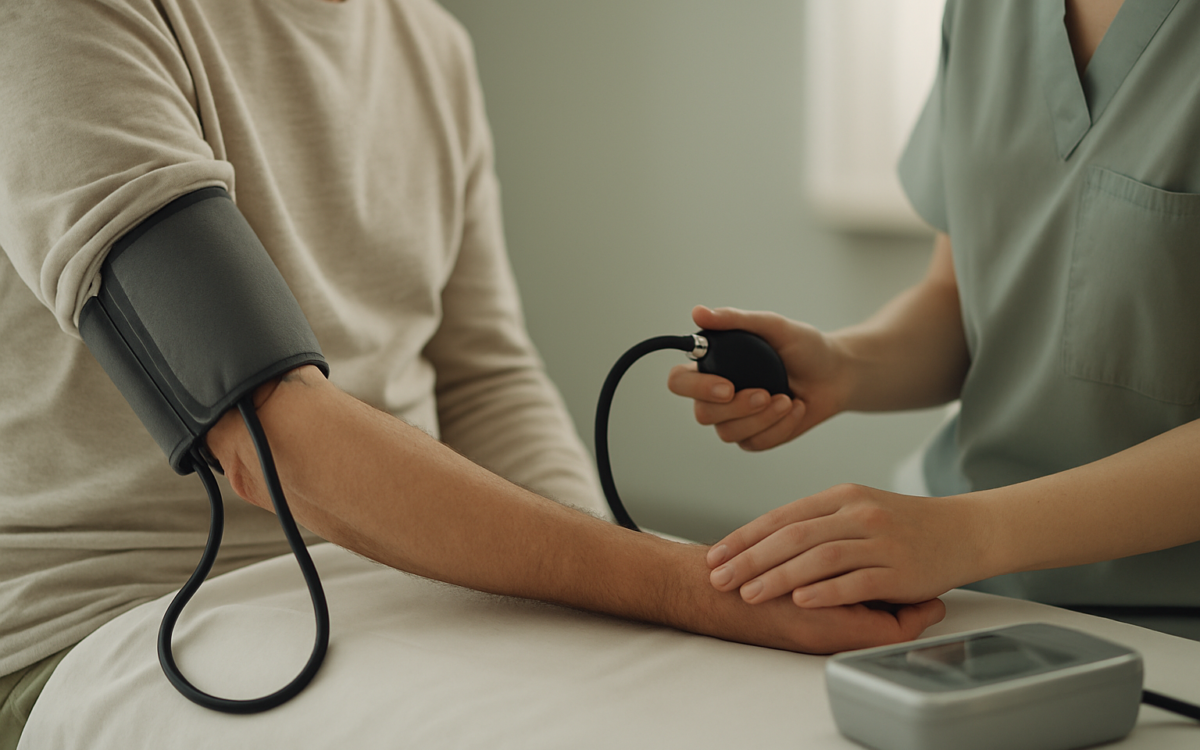
High blood pressure, also known as hypertension, is a common condition that affects millions of people worldwide. However, many individuals are unaware of what it truly means and how it impacts their overall health. Understanding high blood pressure is essential for recognizing its potential risks and adopting a healthier lifestyle.
What is High Blood Pressure?
High blood pressure occurs when the force of the blood against the walls of your arteries is consistently too high. Blood pressure is measured in millimeters of mercury (mmHg) and is expressed in two numbers: systolic and diastolic. The systolic pressure (the first number) measures the pressure in your arteries when your heart beats. The diastolic pressure (the second number) measures the pressure in your arteries when your heart rests between beats.
A normal blood pressure reading is typically around 120/80 mmHg. High blood pressure is generally defined as having a reading of 130/80 mmHg or higher. The condition can be classified into different categories: prehypertension, stage 1 hypertension, and stage 2 hypertension.
The Causes of High Blood Pressure
High blood pressure can result from various factors, some of which are within your control and others that aren’t. Here are some common causes:
- Genetics: Family history plays a role; if high blood pressure runs in your family, you may be more prone to developing it.
- Obesity: Being overweight or obese increases the strain on your heart and can lead to elevated blood pressure.
- Diet: A diet high in salt, fat, or sugar can cause your body to hold onto fluids and spike your blood pressure.
- Physical Inactivity: Lack of exercise can contribute to weight gain and increased risk of hypertension.
- Stress: Chronic stress can lead to temporary spikes in blood pressure, which may become a long-term issue if not managed.
- Age: Blood pressure tends to rise with age, making regular monitoring essential.
The Risks Associated with High Blood Pressure
Living with high blood pressure can have serious health consequences. When your blood pressure remains elevated for an extended time, it can lead to:
- Heart Disease: High blood pressure increases the risk of heart attack, heart failure, and other forms of cardiovascular disease.
- Stroke: Elevated blood pressure can lead to blocked or burst blood vessels in the brain.
- Kidney Damage: The condition can damage the blood vessels in your kidneys, reducing their ability to filter waste from your blood.
- Vision Loss: Damage to the blood vessels in the eyes can cause vision impairment and lead to blindness.
Understanding these risks highlights the importance of monitoring and managing your blood pressure effectively.
Symptoms of High Blood Pressure
Interestingly, high blood pressure often does not present any noticeable symptoms. This is why it is sometimes referred to as the “silent killer.” Many people may not realize they have high blood pressure until it causes significant health issues.
In rare cases, extremely high blood pressure can lead to symptoms such as:
- Severe headaches
- Nosebleeds
- Shortness of breath
- Dizziness or lightheadedness
- Chest pain
If you experience any of these symptoms, it is crucial to seek medical attention immediately. Regular check-ups can help catch high blood pressure before it leads to more serious problems.
Managing High Blood Pressure
If you are diagnosed with high blood pressure, there are several steps you and your healthcare provider can take to manage the condition:
Lifestyle Changes
Making healthier lifestyle choices can significantly impact your blood pressure:
- Adopt a Balanced Diet: Aim for a diet rich in fruits, vegetables, whole grains, and lean proteins. The DASH (Dietary Approaches to Stop Hypertension) diet is highly recommended.
- Exercise Regularly: Strive for at least 150 minutes of moderate physical activity each week.
- Limit Salt Intake: Reducing salt in your diet can help lower blood pressure. Aim for less than 2,300 mg of sodium per day.
- Maintain a Healthy Weight: Losing even a small amount of weight can help lower your blood pressure.
- Avoid Smoking and Excessive Alcohol Consumption: Both can elevate blood pressure and increase health risks.
Medication
In some cases, lifestyle changes alone may not be enough to control high blood pressure. Your doctor may prescribe medication to help manage your levels. There are several types of medications available, including:
- Diuretics
- ACE inhibitors
- Beta-blockers
- Calcium channel blockers
It’s essential to follow your doctor’s instructions and never stop taking any prescribed medication without consulting them first.
When to See a Doctor
Regular check-ups can help keep track of your blood pressure and ensure it remains within a healthy range. You should see a doctor if you experience any of the symptoms mentioned earlier or if you have a family history of hypertension and have not been screened for it. If you have been diagnosed with high blood pressure and made lifestyle changes but still notice that your blood pressure remains elevated, consult your doctor for further guidance.
Conclusion
Understanding what high blood pressure means is vital for maintaining your health. By recognizing the causes, risks, and management options, you can take proactive steps to protect your well-being. Monitoring your blood pressure and adopting healthier lifestyle choices can significantly reduce your risk of experiencing complications. Remember, if you have concerns about your blood pressure or related health issues, always consult a healthcare professional.
