
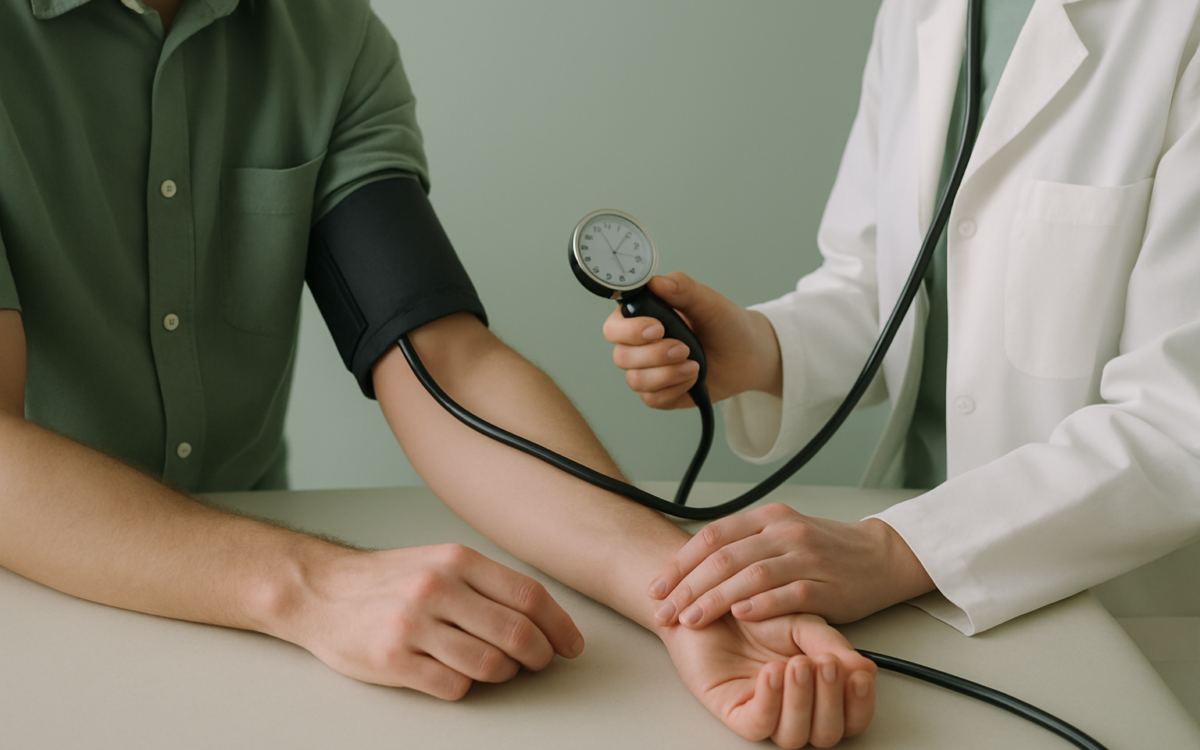
Blood pressure, an important indicator of heart health, can often be misunderstood. Knowing what your blood pressure should be, and what those numbers mean, is crucial for maintaining overall wellness. In this article, we will explore the definition of blood pressure, what normal readings are, the factors that affect blood pressure, and tips for keeping it in a healthy range.
Understanding Blood Pressure
Blood pressure measures the force of blood against the walls of your arteries as your heart pumps. It’s expressed in two numbers: systolic and diastolic. The systolic number (the first reading) measures the pressure during heartbeats, while the diastolic number (the second reading) reflects the pressure when your heart is resting between beats.
What Is Considered Normal Blood Pressure?
According to the Centers for Disease Control and Prevention (CDC), normal blood pressure is generally considered to be below 120/80 mm Hg. Here’s a quick breakdown:
- Normal: Less than 120/80 mm Hg
- Elevated: 120-129/<80 mm Hg
- Hypertension stage 1: 130-139/80-89 mm Hg
- Hypertension stage 2: 140 or higher/90 or higher mm Hg
- Hypertensive crisis: Higher than 180/higher than 120 mm Hg
It’s essential to note that blood pressure can vary based on various factors, including age, activity level, and overall health.
Factors Affecting Blood Pressure
Many factors can influence your blood pressure readings. Understanding these can help you manage your health better:
Lifestyle Choices
Unhealthy habits such as sedentary lifestyles, poor diet, and excessive alcohol consumption can elevate blood pressure. On the other hand, regular exercise, a balanced diet rich in fruits and vegetables, and maintaining a healthy weight can help lower it.
Stress and Mental Health
Chronic stress can contribute to higher blood pressure. Finding healthy ways to manage stress, such as mindfulness, meditation, or yoga, can be beneficial.
Medications and Health Conditions
Certain medications, as well as underlying health conditions like diabetes or kidney disease, can also impact blood pressure. It’s essential to consult with a healthcare provider to understand how your specific situation affects your readings.
Monitoring Your Blood Pressure
Regularly checking your blood pressure can help catch potential problems early. Home blood pressure monitors are available and can provide valuable insights into your health.
How to Measure Blood Pressure at Home:
- Choose a quiet time and relax for at least five minutes.
- Follow the instructions of your blood pressure monitor carefully.
- Take your blood pressure at the same time each day to establish a routine.
- Record your readings and share them with your healthcare provider.
Prevention and Management of High Blood Pressure
If your blood pressure is higher than the normal range, don’t panic. There are many effective ways to manage and even lower your blood pressure:
Dietary Changes
Following a heart-healthy diet can make a significant difference. The DASH diet (Dietary Approaches to Stop Hypertension) emphasizes the consumption of fruits, vegetables, whole grains, and low-fat dairy while reducing salt, sugar, and saturated fats.
Regular Physical Activity
Engaging in regular physical activity can help lower blood pressure. Aim for at least 150 minutes of moderate aerobic exercise each week, such as walking, swimming, or cycling.
Avoiding Tobacco and Limiting Alcohol
Smoking and excessive alcohol consumption can both elevate blood pressure. Quitting smoking and limiting alcohol intake to moderate levels can promote better health.
When to See a Doctor
If you notice consistently high or low blood pressure readings, it’s essential to consult a healthcare provider. Symptoms like headaches, dizziness, or irregular heartbeats warrant immediate attention. Regular check-ups can help you manage your blood pressure effectively, reducing the risk of complications such as heart disease or stroke.
Conclusion
Understanding what your blood pressure should be is a vital part of managing your health. By staying informed and making healthy lifestyle choices, you can maintain optimal blood pressure levels. Always consult with your healthcare provider for personalized advice and recommendations tailored to your specific situation. For more information, resources are available from reputable organizations such as the World Health Organization (WHO) and the Mayo Clinic.
