
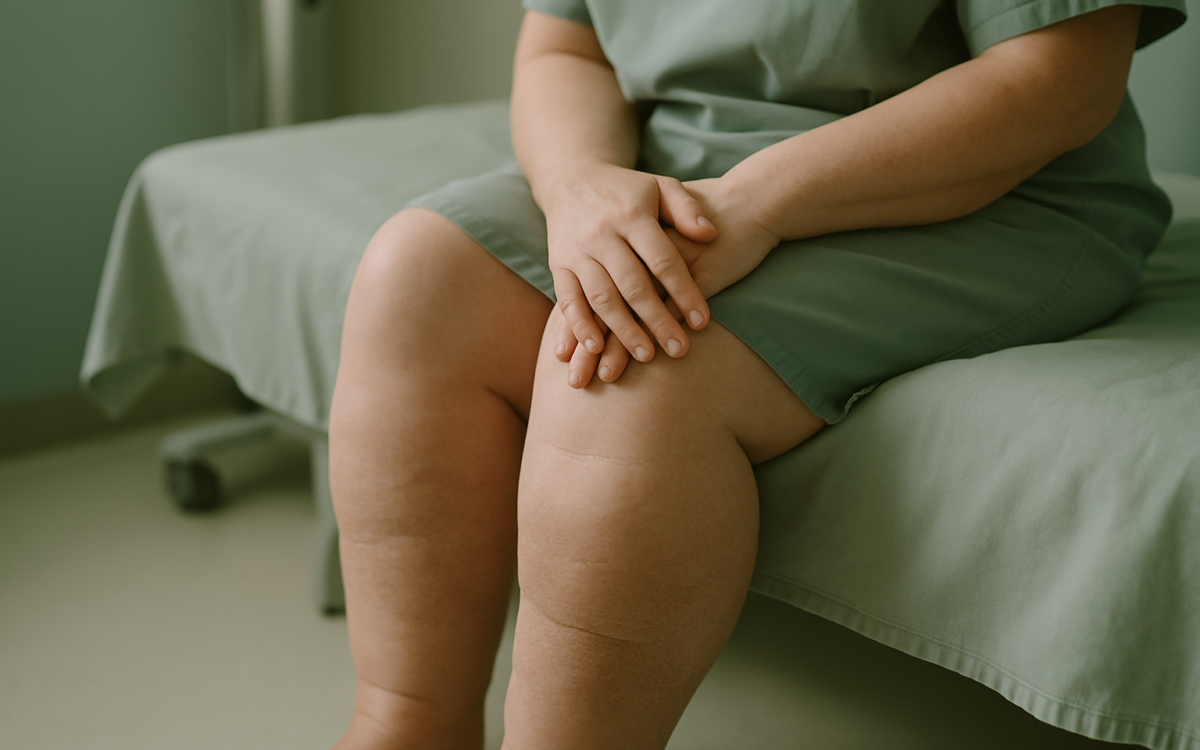
Myxoedema disease is a serious condition that occurs due to severe hypothyroidism, or an underactive thyroid. It can have a profound impact on a person’s well-being. While this may sound complicated, understanding myxoedema can help those at risk recognize potential symptoms and seek timely treatment. In this article, we will delve into the intricacies of myxoedema disease, its causes, symptoms, diagnosis, treatment options, and how to manage this condition effectively.
What is Myxoedema Disease?
Myxoedema disease is essentially a term used to describe severe hypothyroidism. The thyroid gland, a butterfly-shaped gland in the neck, plays a key role in regulating many bodily functions, including metabolism, energy use, and temperature regulation. When the thyroid is underactive, it can lead to a range of symptoms and, in severe cases, myxoedema.
While anyone can develop hypothyroidism, certain risk factors, such as being female, older age, and a family history of thyroid disease, can increase one’s vulnerability to this condition. Myxoedema itself is specifically characterized by its physical manifestations, including swelling, particularly around the eyes and in the skin, due to the accumulation of mucopolysaccharides.
Symptoms of Myxoedema Disease
The symptoms of myxoedema can be wide-ranging, affecting various aspects of a person’s health. Here are some common signs to watch out for:
- Swelling of the skin: Myxoedema leads to swelling, especially around the face, giving it a puffy appearance.
- Severe fatigue: Individuals may feel an overwhelming sense of exhaustion that doesn’t improve with rest.
- Cold intolerance: Many people with myxoedema feel unusually sensitive to cold temperatures.
- Weight gain: Unexplained weight gain may occur even with no changes in diet or exercise.
- Memory issues: Cognitive functions such as memory and concentration can be impacted.
- Thinning hair and dry skin: The skin may become dry and itchy, and hair may thin or fall out.
If you experience several of these symptoms, it’s important to consult your healthcare provider for further evaluation.
Causes and Risk Factors
Understanding what causes myxoedema can help individuals learn more about their risk. The fundamental cause of myxoedema is a severe deficiency in thyroid hormones, which can stem from various sources, including:
- Autoimmune diseases: Conditions like Hashimoto’s thyroiditis, where the immune system mistakenly attacks the thyroid, can lead to hypothyroidism.
- Thyroid surgery: If part or all of the thyroid gland is removed surgically, it can lead to a decrease in hormone production.
- Iodine deficiency: Iodine is crucial for the production of thyroid hormones. A lack of iodine in the diet can contribute to hypothyroidism.
- Radiation therapy: Treatments for cancers in the neck area can damage the thyroid gland.
Addressing these risk factors—especially autoimmune conditions—may help individuals better manage their thyroid health.
Diagnosis of Myxoedema Disease
Diagnosing myxoedema typically involves a combination of physical examinations and laboratory tests. Healthcare providers may perform the following:
- Physical exam: A thorough check-up to look for signs of hypothyroidism, such as myxoedema symptoms.
- Blood tests: The most common tests include measuring levels of Thyroid-Stimulating Hormone (TSH) and Thyroxine (T4). High TSH levels combined with low T4 levels typically indicate hypothyroidism.
Sometimes other tests, such as imaging studies, may be required to rule out potential underlying causes.
Treatment Options for Myxoedema Disease
Fortunately, myxoedema is treatable! The most common form of treatment is hormone replacement therapy. This entails:
- Levothyroxine: This synthetic hormone replacement is often prescribed to normalize thyroid hormone levels. It is typically ingested daily.
- Regular monitoring: Regular follow-up visits with your healthcare provider are crucial to ensure effective management and appropriate dosage adjustments based on blood test results.
In cases of severe myxoedema, medical intervention such as hospitalization may be required to stabilize the patient and begin hormone therapy quickly. Managing any underlying causes, like addressing autoimmune disorders or re-evaluating nutrient intake, will also be beneficial.
Managing Life with Myxoedema
Living with myxoedema and hypothyroidism may require some lifestyle adjustments. Here are a few tips to help manage the condition:
- Healthy diet: Eating a balanced diet rich in fruits, vegetables, lean proteins, and healthy fats supports overall health.
- Regular check-ups: Maintain regular appointments with your healthcare provider to adjust treatment as needed.
- Medication adherence: Consistently taking prescribed medications as directed is key to managing symptoms effectively.
- Stay informed: Educate yourself about hypothyroidism and myxoedema to better understand your condition and what to expect.
Community support, through support groups or forums, can also provide encouragement and advice from others who understand the challenges associated with thyroid diseases.
When to See a Doctor
If you notice signs of fatigue, unexplained weight gain, or emotional changes, it’s essential to consult a healthcare professional. Early detection and treatment of hypothyroidism can prevent the progression to myxoedema and improve the quality of life.
In conclusion, myxoedema disease, while serious, is manageable with appropriate medical care and support. Understanding the symptoms, causes, and treatment options can empower individuals to take control of their thyroid health. Always consult your healthcare provider if you have concerns or symptoms related to thyroid function, as timely intervention is crucial.
