
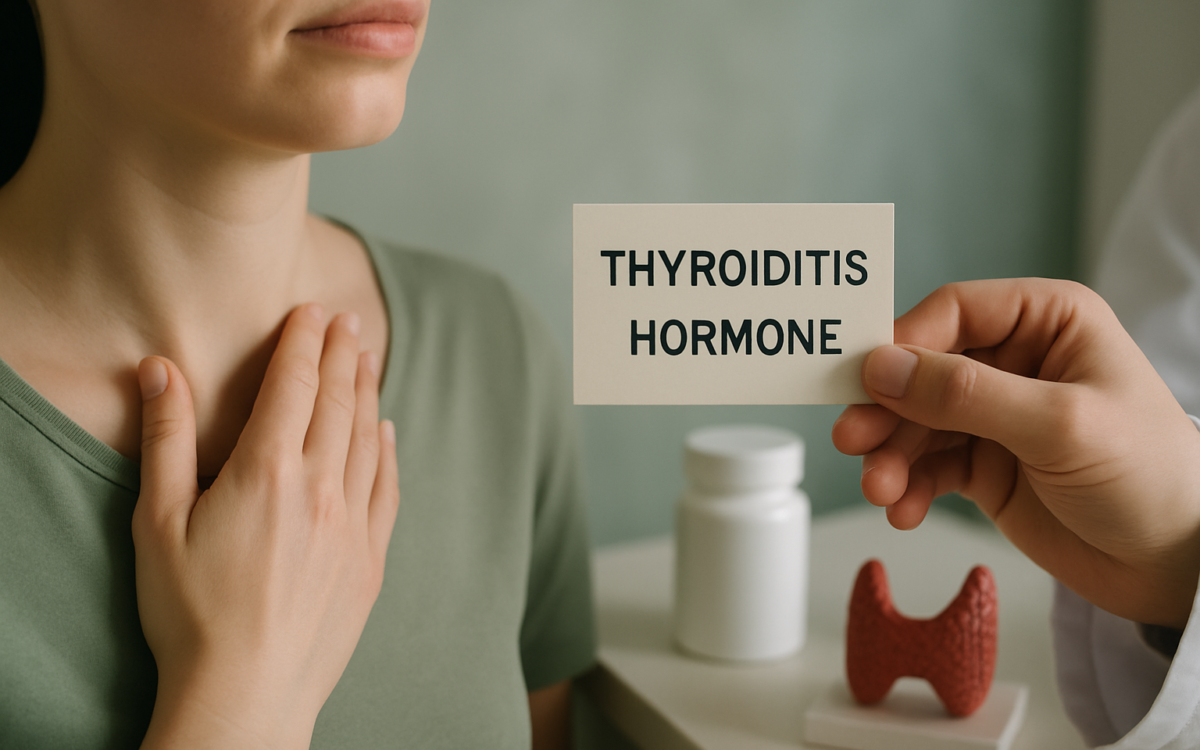
When you think about hormones and health, the first thing that comes to mind might be things like stress, mood swings, or even metabolism. But have you ever considered how hormones from your thyroid gland can impact your overall well-being? One condition that highlights the importance of thyroid hormones is thyroiditis. This article explores what thyroiditis is, how it affects hormone levels, and what you can do to manage it.
What is thyroiditis?
Thyroiditis is an inflammation of the thyroid gland, which is located at the base of your neck. This small, butterfly-shaped gland plays a significant role in regulating various bodily functions, including metabolism, heart rate, and body temperature. There are several types of thyroiditis, but the most common ones include:
- Hashimoto’s thyroiditis: An autoimmune condition where the body attacks its own thyroid tissue.
- Subacute thyroiditis: Often following a viral infection, this type can cause temporary thyroid dysfunction.
- Painful thyroiditis: Characterized by a painful swelling of the thyroid gland, often due to an infection.
How thyroiditis affects hormones
The thyroid produces hormones, predominantly thyroxine (T4) and triiodothyronine (T3). These hormones are crucial for your body to function well. When the thyroid is inflamed due to thyroiditis, hormone production can be disrupted:
Insufficient hormone production
In cases like Hashimoto’s thyroiditis, the immune system attacks the thyroid gland, which can lead to insufficient production of thyroid hormones. This condition is known as hypothyroidism, leading to symptoms like fatigue, weight gain, and depression.
Excess hormone production
On the other hand, some forms of thyroiditis, particularly subacute thyroiditis, can cause an overproduction of thyroid hormones. This can lead to hyperthyroidism, causing symptoms like anxiety, rapid heartbeat, and weight loss.
Symptoms of thyroiditis
The symptoms of thyroiditis can vary significantly based on whether your thyroid is underactive or overactive. Some common symptoms include:
- Fatigue
- Unexplained weight changes
- Changes in heart rate
- Difficulty sleeping
- Swelling or tenderness in the neck area
Because symptoms can overlap with many other health conditions, it’s important to get a thorough evaluation if you experience these signs.
Diagnosis and treatment options
If you suspect thyroiditis, a doctor can perform blood tests to measure levels of thyroid hormones and thyroid-stimulating hormone (TSH). A high TSH level often indicates hypothyroidism, while a low level may suggest hyperthyroidism.
Treatment for hypothyroidism
Treatment for hypothyroidism due to Hashimoto’s thyroiditis typically involves hormone replacement therapy. This means taking synthetic thyroid hormones to bring hormone levels back to normal. Regular monitoring is essential to adjust the dose as needed.
Managing hyperthyroidism
If you have hyperthyroidism due to thyroiditis, treatment may involve medications to lower hormone production or, in some cases, radioactive iodine therapy. Each treatment plan should be tailored to the individual’s needs and symptoms.
International options
For people requiring specialized treatment options, especially in cases of complex thyroiditis, consulting organizations that provide international patient services can be beneficial. These services can help patients find expert care in different countries where advanced treatment alternatives might be available.
Living with thyroiditis
Living with thyroiditis can be challenging, as it often requires ongoing management of symptoms and regular check-ups. Balance in diet, exercise, and stress management all play roles in supporting thyroid health. Regular follow-up appointments with healthcare providers can help ensure that hormone levels remain stable, which is crucial for your overall well-being.
Dietary considerations
A balanced diet rich in fruits, vegetables, whole grains, and healthy fats can support thyroid function. Some people find that certain foods, like soy and cruciferous vegetables (e.g., broccoli and cabbage), may impact thyroid health and should be consumed in moderation
When to see a doctor
If you experience symptoms consistent with thyroiditis, such as changes in weight, energy levels, or mood, it’s important to consult a healthcare provider for evaluation. Early diagnosis can lead to better management of the condition and help prevent complications.
Conclusion
Thyroiditis is a condition that can significantly impact your hormone levels and overall health. By understanding how it affects your body and recognizing the signs and symptoms, you can take proactive steps toward better health. If you have concerns about thyroiditis or your hormone levels, reach out to your doctor for an assessment.
