
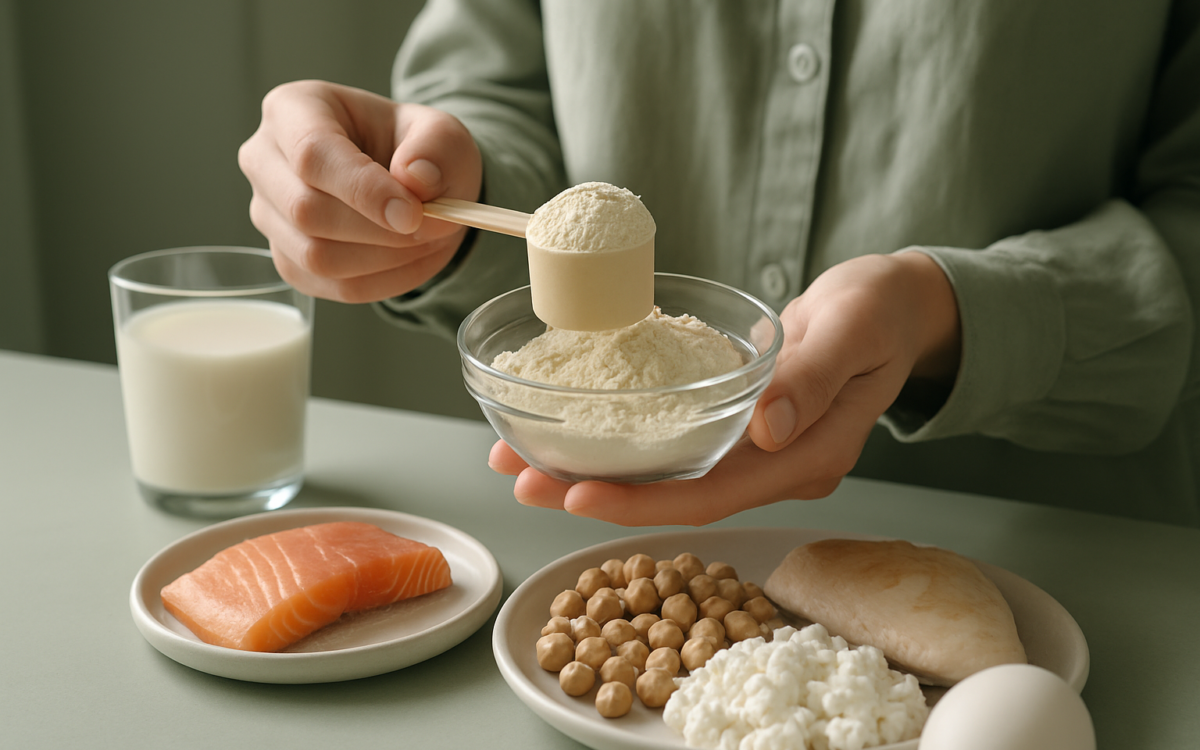
Protein plays a crucial role in our bodies. It’s essential for building and repairing tissues, producing enzymes and hormones, and supporting overall health. Yet, many people wonder, “How much protein do I need each day?” This question can have different answers based on factors like age, sex, activity level, and overall health. Let’s dive into the details to help you understand your protein needs.
What Is Protein and Why Do We Need It?
Protein is one of the three macronutrients, alongside carbohydrates and fats. It’s made up of amino acids, which are the building blocks of our body’s cells. Our bodies can’t produce all the amino acids we need, so we must get some from our diet.
Protein supports numerous bodily functions, including:
- Building and repairing tissues: Protein is vital for muscle recovery after exercise and for the healing of wounds.
- Supporting immune function: Antibodies, which protect against illness, are made from proteins.
- Producing enzymes and hormones: Many hormones that regulate vital functions are proteins.
- Providing energy: While carbohydrates and fats are the primary energy sources, protein can also be used for energy if necessary.
How Much Protein Do You Need?
The recommended dietary allowance (RDA) for protein varies depending on several factors:
- General Guidelines: For most adults, the RDA for protein is 46 grams per day for women and 56 grams per day for men.
- Age and Growth Stages: Children, teens, and pregnant or breastfeeding women usually need more protein. During these periods, protein needs can increase significantly.
- Activity Level: Active individuals or athletes may require more protein to support muscle repair and growth, often recommended at 1.2 to 2.0 grams of protein per kilogram of body weight.
To calculate your protein needs based on weight, you can use this simplified formula:
If you weigh 70 kg (about 154 lbs) and are moderately active, you might need around:
- 70 kg x 1.5 g = 105 grams of protein per day.
Sources of Protein
Dietary protein comes from two main sources: animal and plant-based foods. It’s essential to include a variety of protein sources in your diet.
Animal Sources
- Meat (beef, pork, chicken, turkey)
- Fish and seafood
- Dairy (milk, cheese, yogurt)
- Eggs
Plant-Based Sources
- Legumes (beans, lentils, chickpeas)
- Nuts and seeds (almonds, chia seeds, hemp seeds)
- Whole grains (quinoa, brown rice, oats)
- Tofu and tempeh
Each protein source provides a different set of nutrients, so choosing a diverse range helps ensure you get all the essential amino acids needed for good health.
Signs You Might Need More Protein
If you’re not getting enough protein, you might notice a few signs. While these symptoms can also be related to other nutritional deficiencies, they might point to a need for more protein in your diet:
- Frequent fatigue or weakness
- Muscle loss or difficulty maintaining muscle mass
- Slow healing of wounds and injuries
- Frequent infections or illness
If you experience any of these symptoms consistently, consider discussing your protein intake with a healthcare provider.
Is Too Much Protein Harmful?
While protein is essential for health, consuming excessive amounts can lead to potential issues, especially if it comes mainly from animal sources. Some possible concerns include:
- Kidney Strain: Excessive protein intake may strain the kidneys, particularly in individuals with preexisting kidney conditions.
- Bone Health: High protein diets can lead to calcium loss in urine, which might affect bone health over time.
- Digestive Issues: A very high-protein diet may cause digestive problems like constipation or diarrhea.
It’s generally best to aim for a balanced diet that includes an appropriate amount of protein without excessive intake. Consulting with a healthcare professional can help guide your dietary choices.
When to See a Doctor
If you’re unsure about how much protein you should be consuming or if you’ve noticed changes in your health that concern you, it’s always a good idea to consult with a healthcare professional. They can provide personalized advice tailored to your specific needs.
Conclusion
Understanding your daily protein needs is essential for maintaining overall health. While the general RDA may suffice for many, individual protein requirements can vary widely based on factors like age, activity level, and health status. By including a variety of protein sources in your diet, you can meet your needs while also reaping the benefits of a balanced nutrition profile. Always consider consulting a healthcare provider to ensure your dietary choices align with your health goals.
