
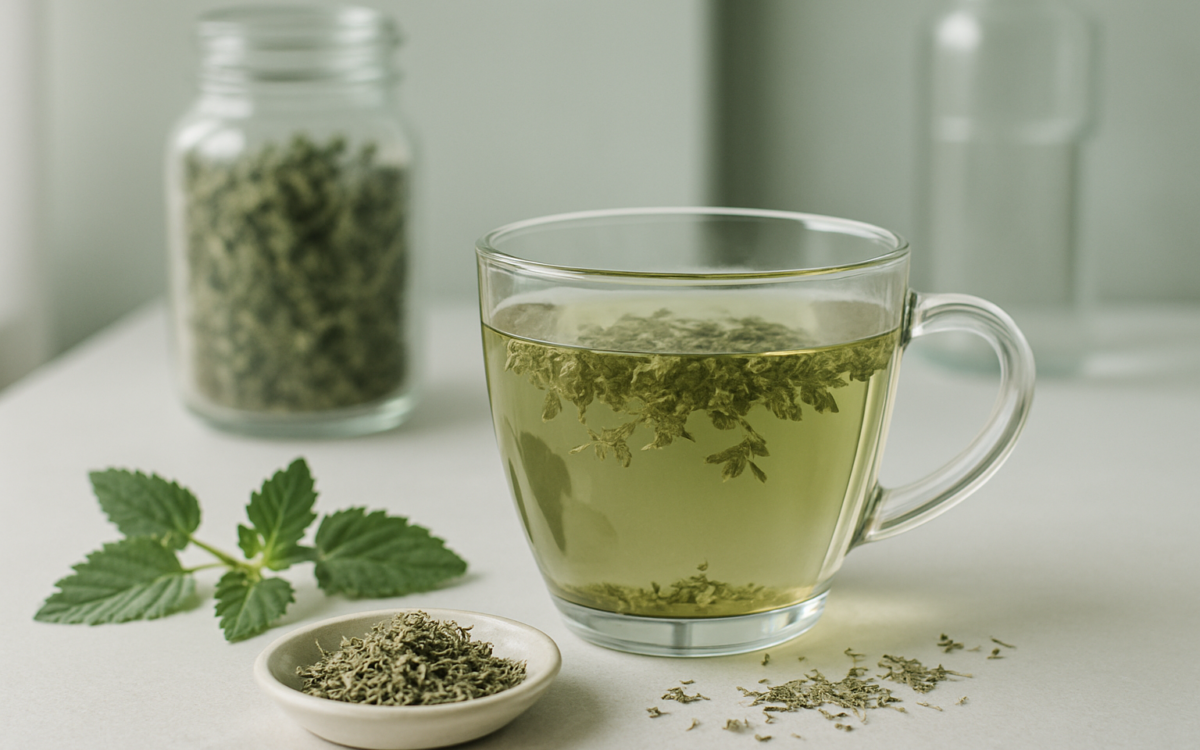
Catnip is often known as a delightful treat for cats, causing them to leap, roll, and play with joy. However, many people don’t realize that this same plant can be transformed into a calming herbal tea for humans. Catnip tea has been used in traditional medicine for generations, and it offers unique benefits that are worth exploring.
What Is Catnip?
Catnip (Nepeta cataria) is a member of the mint family, and it thrives in gardens and wild areas. This herb is characterized by its aromatic leaves that are attractive to cats and its soothing properties for humans. The active compound in catnip, nepetalactone, is what entices our feline friends. Interestingly, humans have been consuming catnip for its calming effects long before we learned about its connection with our furry companions.
Health Benefits of Catnip Tea
While research on catnip tea is limited, several potential benefits have emerged through anecdotal evidence and traditional use. Here are a few key areas where catnip tea may offer advantages:
1. Calming Effects
Many people turn to herbal teas for their soothing properties, and catnip tea is no exception. Some studies suggest that it can help reduce anxiety and promote relaxation. Drinking a warm cup before bedtime may assist those struggling with sleep issues ([NIH](https://www.ncbi.nlm.nih.gov/)).
2. Digestive Health
Catnip tea has been traditionally used to relieve digestive problems, such as bloating or upset stomach. The herb is thought to have carminative properties, which means it might help reduce gas and promote overall digestive comfort.
3. Anti-Inflammatory Properties
Preliminary research suggests that catnip may contain compounds that possess anti-inflammatory effects. This could be beneficial for conditions associated with inflammation, although more studies are needed to substantiate these claims.
4. Potential Antimicrobial Effects
Some laboratory studies have indicated that catnip may have antimicrobial properties. This means it could help in fighting off certain harmful germs and bacteria, although these findings are still being researched.
How to Prepare Catnip Tea
Catnip tea is easy to make at home. Here’s a quick guide:
- Ingredients: 1-2 teaspoons of dried catnip leaves (you can find these in health food stores or online)
- Water: 1 cup (about 240 ml)
- Sweetener (optional): honey or sugar to taste
Preparation:
- Boil the water in a small pot or kettle.
- Once boiling, remove from heat and add the dried catnip leaves.
- Cover and let steep for about 5-10 minutes.
- Strain the leaves using a fine mesh strainer.
- Add sweetener if desired and enjoy!
When to Use Catnip Tea
Catnip tea can be a lovely addition to your evening routine, especially if you’re looking for a natural way to unwind. Many people find it helps with winding down after a long day or finding relief during moments of tension. However, it’s essential to remember that herbal teas are not a panacea. Listening to your body and understanding your unique health needs is crucial.
Considerations and Precautions
Although catnip tea is generally considered safe for most people, it’s important to approach herbal remedies with care. Those who are pregnant or nursing should consult with a healthcare provider before consuming catnip. Additionally, individuals taking medications that affect the liver or anticoagulants should seek medical advice prior to using catnip in any form.
When to See a Doctor
If you experience any adverse effects after consuming catnip tea, such as nausea, headaches, or any unusual symptoms, it’s best to consult a healthcare provider. Additionally, if you struggle with chronic anxiety, digestive issues, or any other persistent concerns, seeking professional medical advice is essential.
Conclusion
Catnip tea is an intriguing herbal infusion that offers calming effects and potential health benefits. While research is still evolving, many find this tea a delightful and soothing addition to their wellness routine. As with all natural remedies, it’s important to remain informed and consult with a healthcare professional when considering new herbal products. Embrace the calm and comfort of catnip tea, and enjoy its comforting warmth.
