
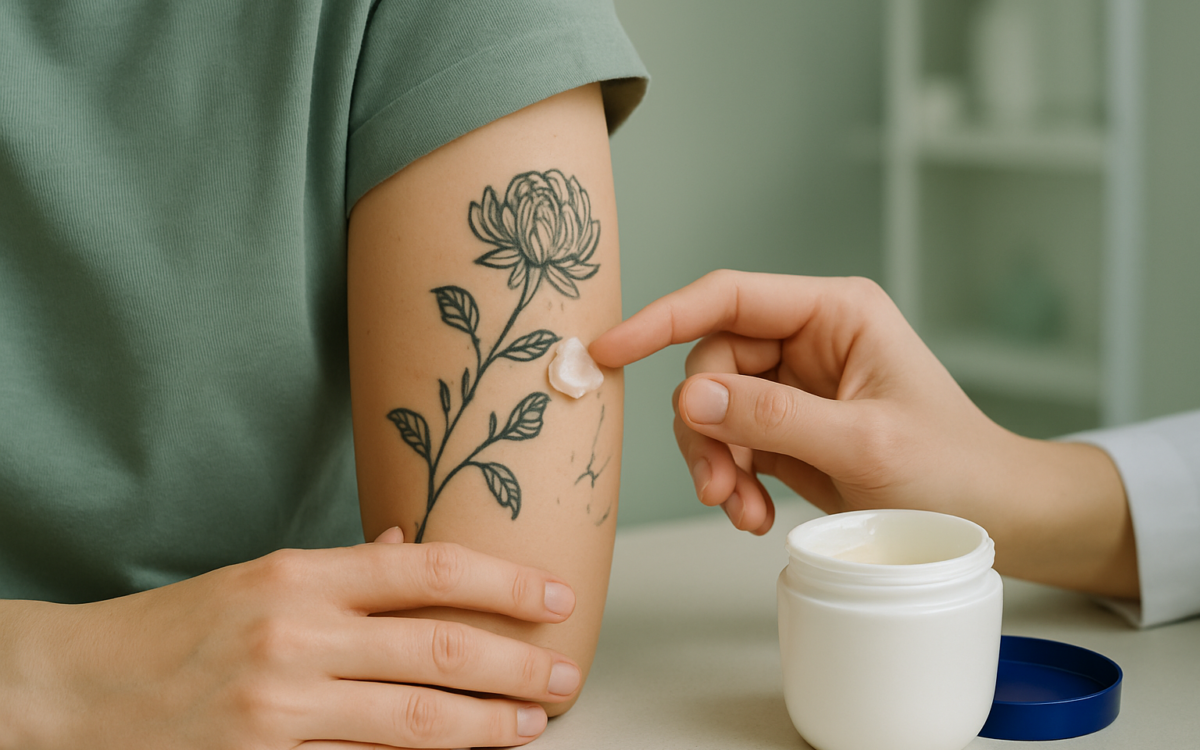
A tattoo is more than just ink on skin; it’s a piece of art and a form of expression. Once you’ve made the exciting decision to get a tattoo, the next crucial step is caring for it properly. One common question among tattoo enthusiasts is whether Aquaphor is a good option for tattoo aftercare. In this article, we’ll explore the benefits and potential drawbacks of using Aquaphor to help your new ink heal.
What is Aquaphor?
Aquaphor is a healing ointment primarily used to moisturize and protect dry or damaged skin. It contains ingredients like petrolatum, lanolin, glycerin, and bisabolol that work together to retain moisture and create a barrier against environmental irritants. This ointment is often recommended by dermatologists for its soothing and healing properties and is commonly used in various skincare routines.
Why Take Care of Your Tattoo?
Tattoo aftercare is vital for several reasons:
- Prevents Infection: Proper care reduces the risk of bacterial infections that can occur when the skin is compromised.
- Encourages Healing: Good aftercare speeds up the natural healing process, ensuring your tattoo looks its best.
- Maintains Color and Clarity: Keeping your tattoo moisturized helps preserve the ink’s vibrancy and prevents fading.
Now, let’s explore how Aquaphor fits into this picture.
Benefits of Using Aquaphor on Tattoos
Aquaphor has several advantages for tattoo care:
- Moisturizing Properties: The ointment provides intense hydration, preventing dryness and flakiness in the tattooed area.
- Barrier Protection: Aquaphor creates a protective layer over the tattoo, shielding it from dirt, bacteria, and irritants that can cause infections.
- Soothing Effect: The ingredients in Aquaphor can soothe burning and itching sensations often experienced after getting tattooed.
According to the National Institutes of Health, the moisturizing effect of products like Aquaphor can speed up the healing process when applied correctly.
How to Use Aquaphor for Tattoos
If you’ve decided to use Aquaphor on your new tattoo, here are steps to follow for maximum benefits:
- Clean the Tattoo: Gently wash your tattoo with mild soap and water. Pat it dry with a clean towel.
- Apply a Thin Layer: Use your fingertip to apply a small amount of Aquaphor over the tattoo. Less is more—too much can clog pores.
- Reapply as Needed: Keep the tattoo moisturized, especially during the first few days. Reapply Aquaphor 2-3 times a day or whenever the area feels dry.
- Stop When Healing Completes: Once your tattoo has healed (usually in 2-3 weeks), you may want to switch to a lighter moisturizer.
Following these steps can help ensure your tattoo heals well and looks beautiful.
Potential Drawbacks of Using Aquaphor
While Aquaphor has many benefits, there are also potential drawbacks to consider:
- Heavy Texture: Some people find Aquaphor to be too greasy or thick, especially for larger tattoos.
- Allergies: There’s a possibility of developing an allergic reaction to one of the ingredients, particularly lanolin.
- Pore Clogging: Because Aquaphor is occlusive, it can block pores, leading to acne or other skin issues, particularly on sensitive skin.
If you notice any irritation or adverse reactions, it’s best to discontinue use and consult a healthcare professional.
Alternatives to Aquaphor
If Aquaphor doesn’t suit your needs or preferences, there are various alternatives:
- Petroleum Jelly: A simple and effective barrier, though it doesn’t provide added healing ingredients.
- Fragrance-free Lotion: Using a lightweight, unscented lotion can keep the tattoo moisturized without the heaviness of an ointment.
- Specialized Tattoo Aftercare Products: Look for products specifically formulated for tattoo care that contain vitamins and botanicals to promote healing.
When exploring alternatives, consider your skin type and any allergies to ensure you choose a product that complements your tattoo care.
When to See a Doctor
While most tattoos heal well with proper care, certain signs may indicate a problem:
- Severe Redness or Swelling: Some inflammation is normal, but severe symptoms might need medical attention.
- Pus or Discharge: This could indicate an infection that requires treatment.
- Fever or Chills: Signs of systemic infection warrant immediate attention.
When in doubt, consult a healthcare professional for advice.
Conclusion
Aquaphor can be a good choice for tattoo aftercare, thanks to its moisturizing and protective properties. However, it’s essential to listen to your skin and adapt your choices according to its needs. Remember that proper aftercare can significantly impact how your tattoo looks and feels, so whether you choose Aquaphor or another product, prioritize keeping your tattoo clean and hydrated. Should you encounter any issues during the healing process, don’t hesitate to consult a healthcare professional for guidance.
