
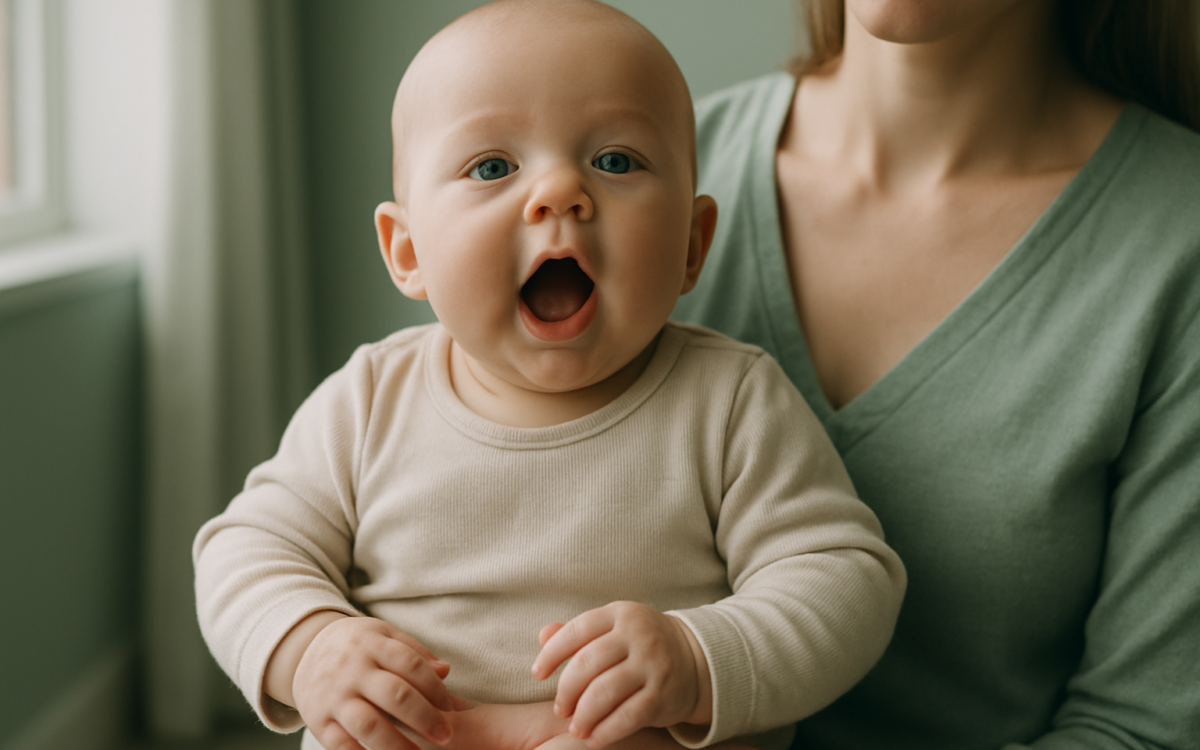
The delightful sounds of a baby babbling are nothing short of music to a parent’s ears. As infants grow, they go through remarkable developmental stages, one of which is the emergence of babbling. This phase is crucial, as it lays the groundwork for future language skills. But when exactly do babies start babbling, and what does it mean for their development? Let’s explore this important milestone.
The Babbling Timeline
Most babies start to babble between 4 and 6 months of age, a magical time when they begin to experiment with the sounds they can make. The initial babbling often includes simple consonant-vowel combinations like “ba,” “da,” and “ma.” This is not just random noise; it marks the beginning of their journey into language development.
Here’s a rough timeline of what you can expect:
- 0 to 3 months: Babies communicate through crying, cooing, and gurgling. They primarily express their needs and feelings.
- 4 to 6 months: This is when true babbling begins. Babies start putting together sounds, leading to repetitive combinations.
- 7 to 12 months: Babbling becomes more complex, with syllables being repeated. Babies may utter sounds like “baba,” “dada,” or “mama” more deliberately.
- 12 months and beyond: Many infants will start to say their first words or at least resemble words, continuing to build on the babbling foundation.
What Babbling Means for Development
Babbling is more than playful sound-making; it serves several purposes in a child’s development.
Communication Skills
Babbling is a practice run for speech. It allows babies to explore different sounds and practice controlling their vocal cords. This exploration helps them understand how to express themselves as they grow.
Social Interaction
When babies babble, they’re not just making noise; they’re engaging with those around them. This vocalization encourages parents and caregivers to respond, creating an interactive communication loop that supports emotional bonding and social skills.
Cognitive Development
As babies babble, they also develop cognitive skills. They begin to associate certain sounds with meanings, which helps with comprehensive language skills later on. The more you encourage this, the more they’ll learn.
Encouraging Babbling
Parents and caregivers play a critical role in supporting their infant’s language development. Here are some effective ways to encourage babbling:
- Respond to Babbling: When your baby babbles, respond enthusiastically. This teaches them the back-and-forth nature of communication.
- Model Sounds: Imitate the sounds your baby makes. This not only validates their attempts at communication but also teaches them new sounds.
- Read Aloud: Reading to your baby, even at a young age, exposes them to different sounds and vocabulary.
- Use Engaging Toys: Singing songs and using toys that make sounds can stimulate your baby’s interest in vocalization.
Milestones and Variations
Every baby is different, and there can be variations in when they start to babble. Factors such as hearing ability, exposure to language, and individual personality can all influence the timing of this milestone. Generally, if a baby hasn’t started babbling by 6 months, it might be worth discussing with a pediatrician. Early recognition and support can make a significant difference in language development.
It’s also important to note that while babbling usually starts around 4 to 6 months, some babies may be early bloomers or take a bit more time. The key is to observe each child for their unique progression.
When to See a Doctor
If your baby is not babbling by 6 months or does not show any interest in sounds, it may be a good idea to consult with a healthcare professional. According to the CDC, early detection of potential delays can lead to more effective interventions.
Conclusion
Understanding when babies start babbling is an exciting part of watching your child grow. This milestone not only signifies the beginnings of communication but also showcases their developing social and cognitive skills. Remember, engaging in conversation with your little one, responding to their sounds, and exposing them to language-rich environments are essential steps in nurturing their speech and language development. Celebrate each babble as a small victory on their journey to becoming articulate little beings!
