
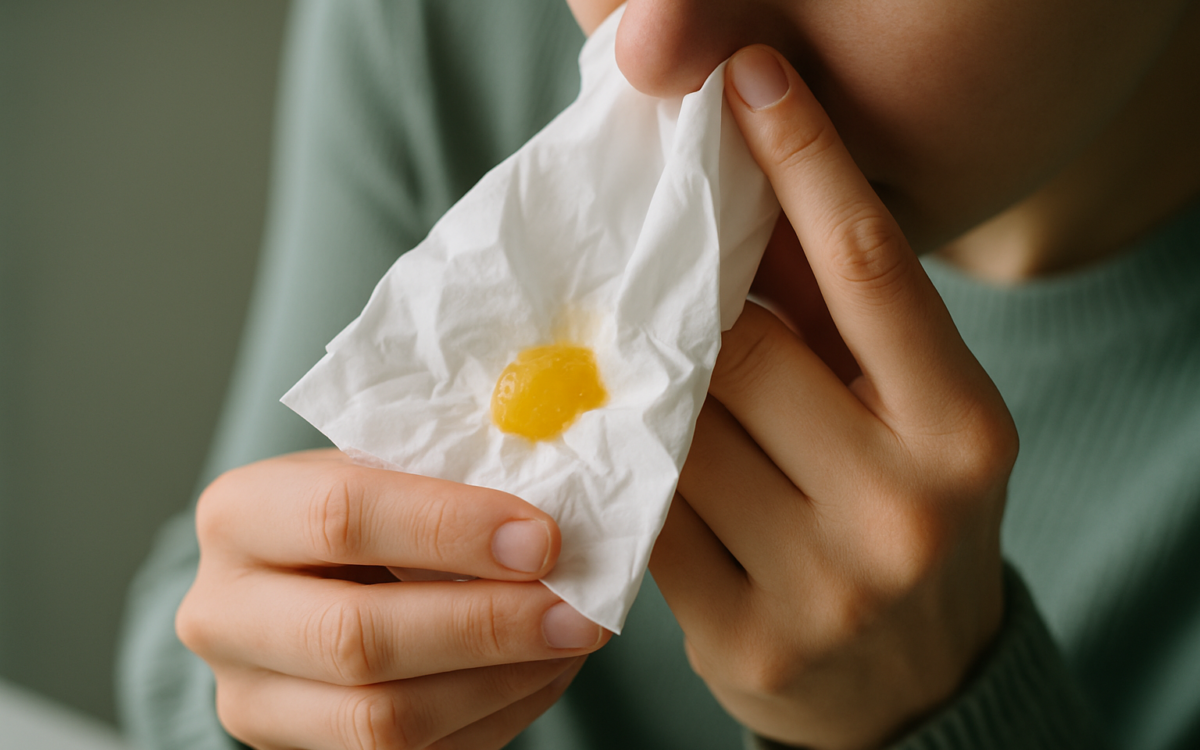
Nasal mucus, often referred to as ‘snot,’ comes in various colors and consistencies. You might have noticed that your snot can change from clear and watery to a thicker, yellow hue. Many people wonder, "Why is my snot yellow?" Understanding the reasons behind this color change can provide insight into what’s happening in your body.
What Does Yellow Snot Indicate?
The color of your nasal mucus is influenced by several factors, including infections, allergies, and even environmental irritants. Yellow snot typically means that your body is fighting off an infection or irritation.
Causes of Yellow Snot
-
Sinus Infections
One of the most common reasons for yellow snot is sinusitis, or a sinus infection. This condition occurs when your sinus cavities become inflamed, usually due to a viral infection, although bacteria can also be responsible. Individuals with sinusitis may experience additional symptoms, including facial pain, pressure, and fever. You can learn more about sinus infections from sources like the CDC.
-
Colds and Flu
Colds and the flu are also notable causes of yellow mucus. When you catch a cold or virus, your immune system activates to fight off the infection, causing the mucus in your nasal passages to change color. Often, this yellow snot comes after a few days of clear mucus as your body fights off the infection.
-
Allergies
Allergic reactions can lead to yellow mucus too. When your body encounters allergens, such as pollen, dust mites, or pet dander, it produces histamines, resulting in mucus production. If your allergies lead to a secondary infection, such as sinusitis, the mucus may become yellow.
-
Environmental Factors
Smoky or polluted environments can also contribute to the color of your snot. Exposure to irritants can trigger inflammation in the nasal passages, causing your body to produce thicker mucus that may appear yellow. This can happen even in people who do not have allergies or infections.
-
Pneumonia
In some cases, yellow mucus can be a sign of pneumonia or other respiratory infections. These conditions may present with additional symptoms such as coughing, pain when breathing, or shortness of breath. Mayo Clinic provides further insights into respiratory infections.
Understanding Mucus Color Changes
Your snot’s color can tell you quite a bit about what’s going on inside your body. Here’s a brief overview of what different mucus colors typically indicate:
- Clear: Normal and healthy; may indicate an absence of infection.
- White: May suggest nasal congestion or swelling.
- Yellow: Indicates that your body is fighting an infection.
- Green: Potentially indicates a more intense infection; should be monitored closely.
- Brown or Red: May signify blood or dried mucus; consult a doctor if this persists.
How to Manage Yellow Snot
If you find yourself dealing with yellow snot, there are several steps you can take to alleviate discomfort:
- Stay Hydrated: Drinking plenty of fluids helps thin mucus, making it easier to expel.
- Steam Inhalation: Inhaling steam can alleviate nasal congestion and provide relief from thick mucus.
- Saline Nasal Spray: Using a saline spray can help moisten nasal passages and thin out mucus.
- Rest: Ensure you give your body ample rest to help it recover from infections.
When to See a Doctor
While yellow snot often doesn’t indicate a serious problem, it is crucial to pay attention to accompanying symptoms. You should consult a healthcare professional if you experience:
- Persistent yellow mucus lasting more than 10 days
- High fever greater than 101°F
- Severe facial pain or swelling
- Coughing up thick, yellow-green mucus
- Difficulty breathing or shortness of breath
Conclusion
Yellow snot typically reflects your body’s response to infection, inflammation, or other irritants. Being aware of the potential causes and symptoms associated with yellow mucus can help you better understand your health. If you’re ever uncertain or concerned, don’t hesitate to reach out to a healthcare professional for guidance. Remember, taking good care of your nasal health is essential for your overall well-being.
