
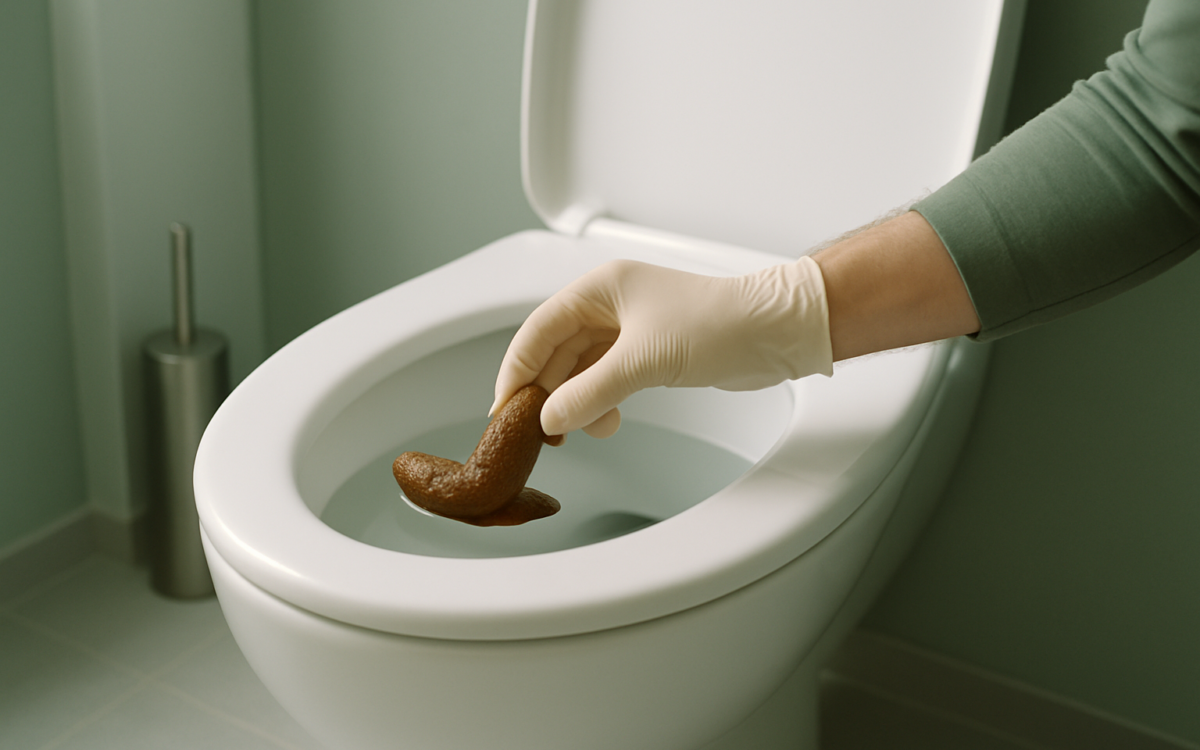
When it comes to our digestive health, a multitude of factors can reveal how well our bodies are functioning. One question that often arises is: should poop float or sink? The answer might offer insight into your overall gut health. Understanding what different types of stools mean can help in identifying potential health issues. In this article, we’ll explore what the buoyancy of stool indicates, why it matters, and when you might want to consult a healthcare professional.
What Determines Stool Buoyancy?
Stool buoyancy largely depends on its composition. Typically, well-formed stools sink, while floating stools may indicate the presence of gas or fat. The mixture of water, fiber, bacteria, and undigested food contributes to the weight and texture of feces. Therefore, a stool’s buoyancy can change based on what you eat, how you digest food, and your overall health.
Normal Stools: What to Expect
Healthy stools generally have a few key characteristics:
- Color: Brown is the most common color, which indicates that bilirubin in bile has done its job in digestion.
- Shape: A healthy stool is usually shaped like a sausage or snake, smooth and soft.
- Consistency: It should be formed yet soft enough to pass easily.
- Buoyancy: Most typical stools will sink as they contain a sufficient amount of fiber and water.
According to the National Institutes of Health (NIH), a normal stool consists of about 75% water, while the remaining 25% includes fiber, bacteria, and some undigested food.
Why Do Some Stools Float?
Floating stools can occur for several reasons, with some being relatively harmless while others may indicate underlying health issues. Common reasons include:
- Gas formation: Certain foods, especially those high in carbohydrates like beans or dairy, can produce gas during digestion, causing stools to float.
- Fat malabsorption: If your body is not absorbing fat properly—possibly due to conditions like celiac disease or pancreatitis—your stools may float due to higher fat content.
- Inconsistent diet: Sudden changes in your diet can also affect your stool’s buoyancy. For example, increasing fiber intake can lead to temporary changes in stool consistency.
While floating stools can be benign, persistent cases of floating stools accompanied by other symptoms may be worth noting.
When Floating Stools May Signal Health Issues
If you’re noticing that your stools are frequently floating, it’s essential to consider the context. Floating stools can sometimes be a symptom of underlying digestive issues, especially if accompanied by:
- Diarrhea
- Unexplained weight loss
- Fatigue
- Abdominal pain or bloating
These symptoms may indicate malabsorption disorders like celiac disease, where the body cannot properly absorb nutrients from food. According to the Mayo Clinic, conditions affecting gastrointestinal function can lead to a variety of digestive complaints, which may include abnormal stool buoyancy.
The Role of Diet in Stool Characteristics
Your diet plays a significant role in determining the nature of your stools. Foods rich in fiber, healthy fats, and adequate hydration promote the production of healthy, sinkable poop. On the other hand, a diet high in processed foods, unhealthy fats, and low in fiber might lead to more floating stools.
Here are some dietary tips for maintaining healthy bowel movements:
- Incorporate fiber: Foods like whole grains, fruits, and vegetables support healthy digestion.
- Stay hydrated: Drinking plenty of water helps prevent constipation and solidifies stool consistency.
- Avoid processed foods: Limit sugary and high-fat processed foods to maintain a balanced diet.
- Limit gas-producing foods: If you notice floating stools after consuming certain foods, consider reducing them from your diet, especially beans and dairy.
When to See a Doctor
It’s important to pay attention to your body. If you experience any of the following symptoms alongside floating stools, it’s advisable to consult a healthcare professional:
- Persistent floating stools that occur regularly
- Additional symptoms like diarrhea, abdominal pain, or weight loss
- Changes in color or consistency that last longer than a week
Your doctor may recommend diagnostic tests to rule out conditions like malabsorption syndromes or gastrointestinal disorders. Keeping a record of your dietary habits and symptoms can assist your healthcare provider in understanding your situation better.
Conclusion
Understanding whether your poop should float or sink can provide insights into your digestive health. While floating stools are common and often harmless, it’s essential to be aware of your body’s signals. A balanced diet rich in fiber and hydration contributes to healthy stool formation. Remember, if you notice persistent changes or accompanying symptoms, consulting with a healthcare provider is always a wise decision. Taking care of your gut health is an essential step toward overall well-being.
