
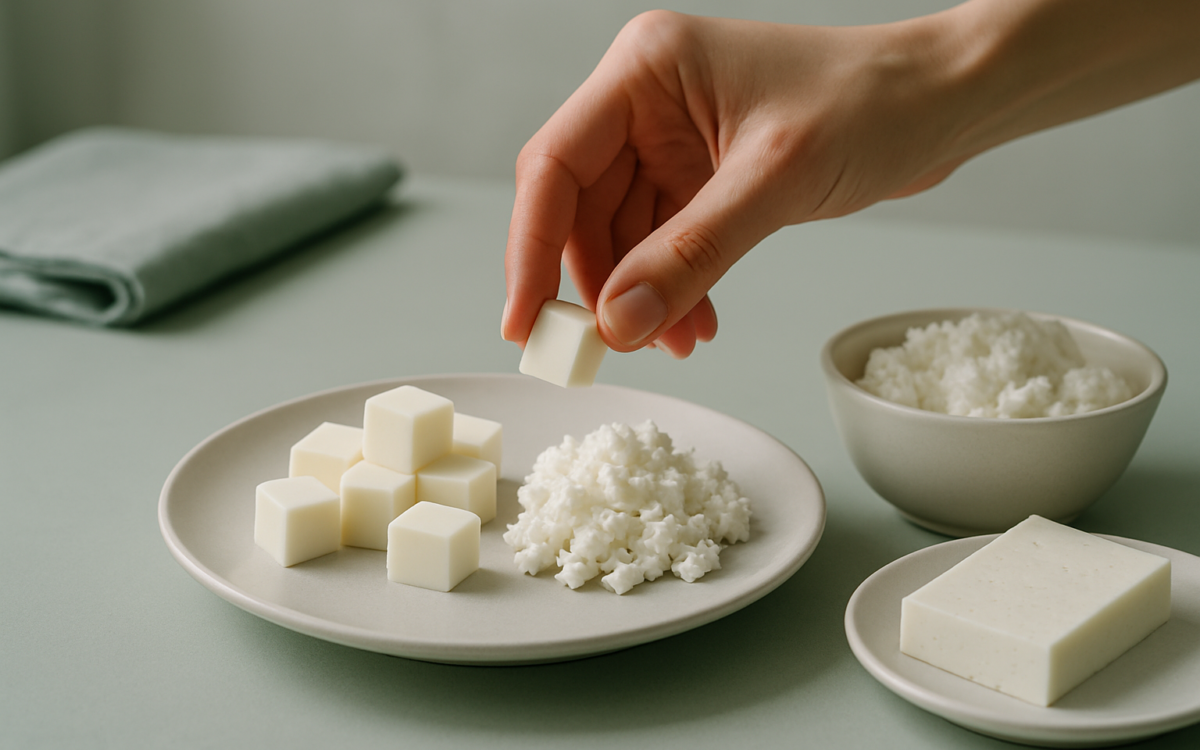
Cheese is a beloved food enjoyed by many, from creamy mozzarella on a pizza to tangy feta in a salad. However, traditional cheeses can be high in calories and saturated fats. For those looking to maintain a balanced diet or lose weight, this can be a concern. The good news is that there are plenty of low-calorie cheese options available that allow you to enjoy this delightful dairy without compromising your health goals. In this article, we’ll explore various low-calorie cheeses, their nutritional benefits, and tips for incorporating them into your diet.
What Makes Cheese High in Calories?
Cheese is made from milk, which contains fat. The amount of fat present determines the overall calorie count of the cheese. For instance, regular cheddar can have over 100 calories per ounce, while some low-fat varieties can drop that number significantly. The fat content not only contributes to the calorie count but also affects flavor and texture. Understanding these differences can help you make informed choices in your dietary selections.
Top Low-Calorie Cheese Options
When you’re searching for lower calorie cheese options, some varieties stand out due to their unique production methods or lower fat content. Here are a few great choices:
- Cottage Cheese: This fresh cheese is often regarded as a diet staple. With about 25-30 calories per ounce (depending on the brand), it’s low in calories and high in protein, making it a great choice for a healthy diet.
- Part-Skim Mozzarella: A popular choice for pizzas and salads, part-skim mozzarella contains only about 70-80 calories per ounce. It offers a delicious taste with less fat than whole milk mozzarella.
- Ricotta Cheese: Low-fat ricotta provides around 50-75 calories per ounce. It’s creamy and versatile, perfect for both savory dishes and desserts.
- Goat Cheese: While a bit higher in calories than others on this list, soft goat cheese can still be a delicious choice, often around 70-90 calories per ounce. Its rich flavor allows you to use less, making it a flavorful addition without too much calorie impact.
- Feta Cheese: This tangy cheese typically contains about 75 calories per ounce. Feta is a favorite in salads and Mediterranean dishes and provides a burst of flavor without high calories.
The Nutritional Benefits of Low-Calorie Cheese
You might be wondering, aside from the reduced calorie count, what other benefits low-calorie cheese offers. While cheese is often seen as a source of fat, it as can provide essential nutrients:
- Protein: Many low-calorie cheeses, especially cottage cheese and ricotta, are high in protein. Protein is essential for muscle building and overall health, making these cheeses a great addition to meals.
- Calcium: Cheese is a significant source of calcium, which is crucial for bone health. Low-calorie varieties still offer this benefit, helping maintain your bone density without overloading on calories.
- B Vitamins: Cheeses can be a good source of various B vitamins (like B12), which play vital roles in energy production and brain health.
How to Incorporate Low-Calorie Cheese into Your Diet
With so many delicious low-calorie cheese options available, integrating them into your meals can be both simple and satisfying. Here are some creative ways to enjoy low-calorie cheese:
- In Salads: Use feta or part-skim mozzarella in salads to add creaminess and flavor without the excess calories.
- As a Snack: Enjoy a serving of cottage cheese topped with fresh fruits or nuts for a nutritious snack that keeps you full.
- On Pizzas: Opt for part-skim mozzarella or ricotta for pizza toppings to enjoy that cheesy goodness with fewer calories.
- In Breakfast Dishes: Add low-fat cheese to omelets, scrambled eggs, or breakfast burritos to enhance flavor and nutrition at the start of your day.
Choosing the Right Low-Calorie Cheese
When selecting low-calorie cheese, it’s essential to read nutrition labels. Some products labeled as “low-fat” or “light” can still contain hidden sugars or sodium. Here are some tips to help you choose wisely:
- Read Labels: Check for serving sizes, fat content, and sodium levels. Aim for cheeses with lower sodium for better heart health.
- Look for Natural Options: Seek out cheeses that are less processed, as they often contain fewer additives and preservatives.
- Experiment with Different Varieties: Try various types and brands to find your favorites. Not all low-calorie cheeses taste the same, so don’t hesitate to explore.
When to See a Doctor
While enjoying low-calorie cheese can be a delightful part of your diet, if you have specific health concerns—like lactose intolerance, dairy allergies, or weight loss goals—it’s always a good idea to consult with your healthcare provider. They can provide guidance tailored to your individual needs and help you create a balanced diet that works for you.
In conclusion, including low-calorie cheese in your meals can help you enjoy the flavors of cheese while staying mindful of your calorie intake. With a variety of delicious options available, you can reach your nutritional goals without sacrificing taste. Remember to choose wisely and savor the rich, creamy goodness that low-calorie cheese has to offer!
